Human Wrongs Watch
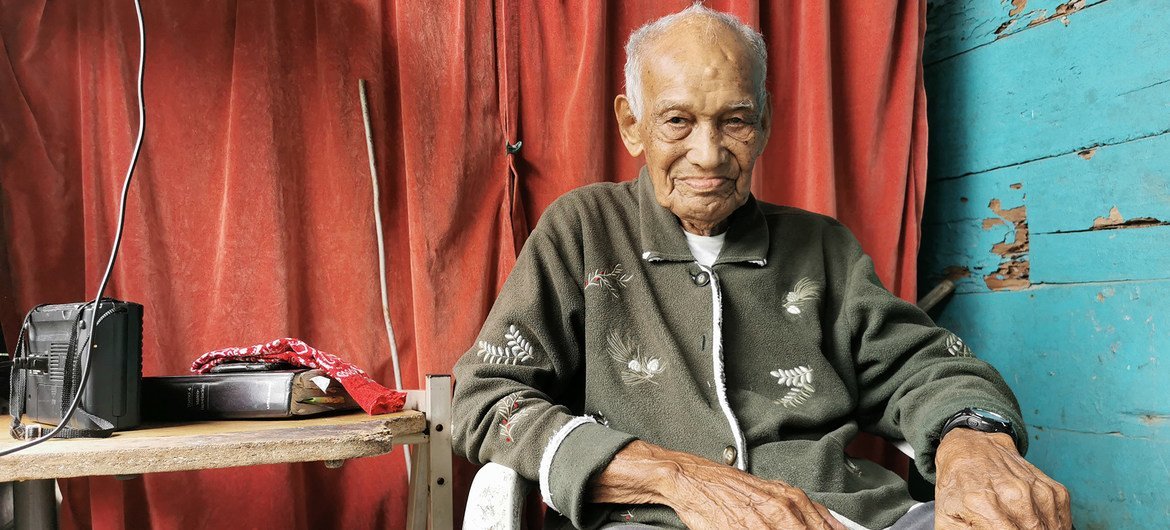
6 February 2021 (UN News)* — Two migrants, one young and one old, have been sharing their experiences of migrating to a small town in Costa Rica in Central America.
read more »
'Unseen' News and Views
6 February 2021 (UN News)* — Two migrants, one young and one old, have been sharing their experiences of migrating to a small town in Costa Rica in Central America.
5 February 2021 (UNEP)* — The past six years have been the warmest on record since 1880, with 2016, 2019 and 2020 being the top three, according to a World Meteorological Organization (WMO) press release on 15 January. The year 2020 was 1.2°C above pre-industrial era (1880) temperatures.
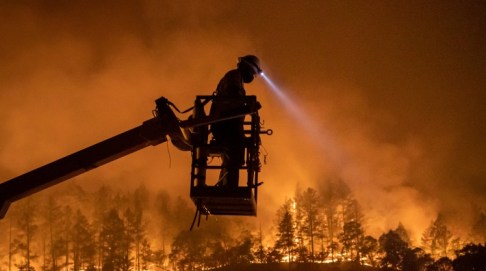
Photo: REUTERS/Adrees Latif / 04 Feb 2021
WMO predicts a 20 per cent probability that temperatures will temporarily exceed 1.5°C as early as 2024. “The speed at which temperatures are increasing is alarming,” says Pascal Peduzzi, Director, GRID-Geneva, the United Nations Environment Programme (UNEP). “At this rate, we may reach +1.5°C in the next 15 years.”
(UN News)* — A group of UN independent human rights experts on Thursday [4 February 2021] welcomed the United States’ decision to stop using privately run federal prisons, and urged the Government to also end the outsourcing of all detention centres, including those holding migrants and asylum seekers.

The 2021-2030 initiative hopes to raise funding for ocean science and focus on the sustainable use of marine resources
– The United Nations Secretary-General has urged nations to rise to the ‘defining challenge’ of restoring the ocean’s power to support humanity and regulate the climate.

(UN News)* — January marked the beginning of what many within the UN and beyond view as “the most critical decade of our lives”, the UN Educational, Scientific and Cultural Organization (UNESCO) said on Wednesday [3 February 2021], launching a major initiative to protect the world’s oceans through the next ten years.
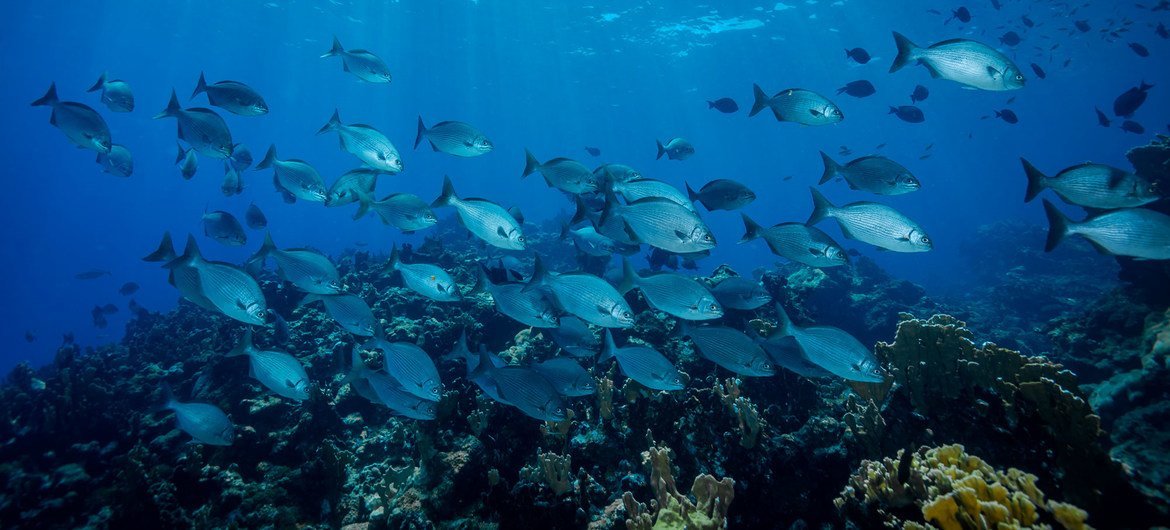
UNESCO marked the start of the UN Decade of Ocean Science for Sustainable Development, with a global online event headlined: ‘A Brave New Ocean’.
It aims to raise awareness of the immense challenges and opportunities the world seas provide to achieve the Sustainable Development Goals (SDGs).
ROME, 2 February 2021 (FAO)* — Global fisheries and aquaculture have been hard hit by the COVID-19 pandemic and could face further disruption in 2021 as lockdowns affect supply and demand across the sector, according to a report by the Food and Agriculture Organization of the United Nations (FAO).
ROME, 4 February 2021 (FAO)* — Global food prices rose in January for the eighth consecutive month, led by cereals, vegetable oils and sugar, according to the Food and Agriculture Organization of the United Nations (FAO).

FAO’s Food Price Index, which tracks monthly changes in the international prices of commonly-traded food commodities and was released today [4 February 2021], averaged 113.3 points in January, marking a 4.3 percent increase from December 2020 and reaching its highest level since July 2014.

Our global food system is the primary driver of biodiversity loss, with agriculture alone being the identified threat to 24,000 of the 28,000 (86%) species at risk of extinction. The global rate of species extinction today is higher than the average rate over the past 10 million years.
In the last decades our food systems have been following the “cheaper food paradigm”, with a goal of producing more food at lower costs through increasing inputs such as fertilizers, pesticides, energy, land and water.
Over 60 Detained, Forcibly Moved from Occupied Territories

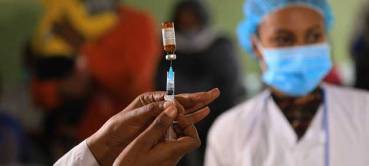
– Access to COVID-19 vaccines for many developing countries and most of their people will have to wait as the powerful and better off secure earlier access regardless of need or urgency. More profits, by manufacturing scarcity, will surely cause even more loss of both lives and livelihoods.
Credit: UNICEF/Nahom Tesfaye
Good intentions not enough
To induce private efforts to develop and distribute vaccines, the WHO initiated COVAX to ensure more equitable access to COVID-19 vaccines. However, interest by vaccine companies has been limited, while some governments – especially from better-off upper middle-income countries – pursue other options.
COVAX has been co-led with GAVI, the Vaccine Alliance, and the Coalition for Epidemic Preparedness Innovations (CEPI). Buoyed by their earlier success with advance market commitments (AMC), they have extended the same approach in very different circumstances.

 HUMAN WRONGS WATCH