Historical facts do not repeat themselves, but they can rhyme, like the verses of a long poem.
Brazilian President Jair Bolsonaro greets people during the 198th anniversary celebration of the country’s Independence Day in Brasilia, Brazil, on September 7, 2020 / Lucio Tavora /PA Images
7 October 2020 (openDemocracy)* — Historical facts do not repeat themselves, but they can rhyme, like the verses of a long poem. I heard this phrase from my friend Sidney Chalhoub, a prestigious historian and professor at Harvard University.
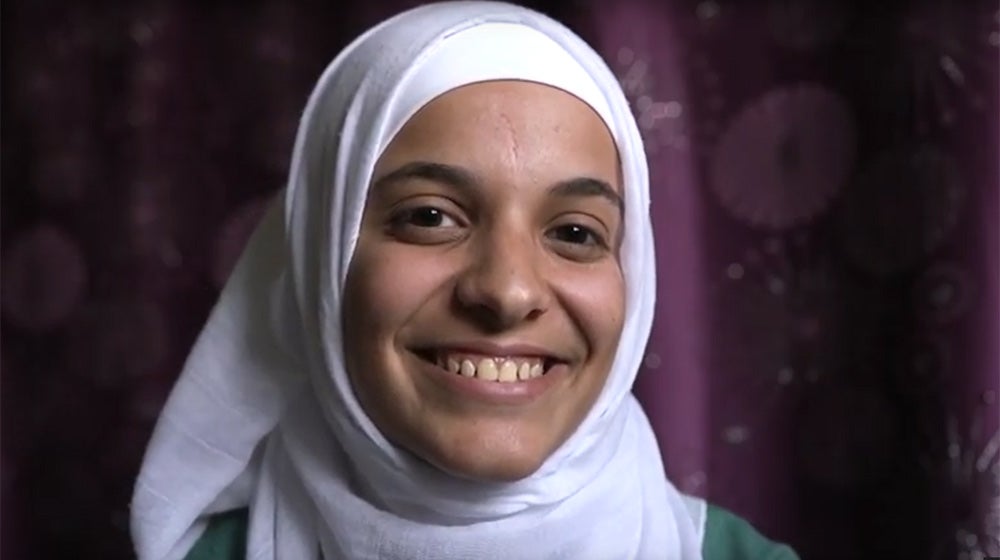
New York, 10 October 2020 (UNFPA)* – On 11 October, organizations and activists around the world will mark the International Day of the Girl Child, shining a spotlight on the rights, needs, vulnerabilities, contributions and future potential of girls everywhere.
The theme for the day is “My Voice, Our Equal Future” because girls’ voices are seldom heard – not in the halls of governments, nor in homes or classrooms.
But what do we learn when we finally listen to girls?
STOCKHOLM / ROME, Oct 7 2020 (IPS)* – The 26th of September, the Lebanese prime minister Mustapha Adib stepped down after less than a month on his post. The president, Michael Auon, stated: ”Lebanon will be going to Hell if a new government is not formed soon.” The question is if his nation is not there already.
A horrifying image of the state of the nation was provided on the 4th of August when 2,750 tons of ammonium nitrate, stored in a dockside hangar, blew up in an explosion killing more than 190 people, injuring 6,500 and damaging thousands of buildings.
8 October 2020 (Wall Street International)* — Abraham Lincoln is credited with one of the most enduring statements in American history: “You can fool all of the people some of the time and some of the people all of the time, but you cannot fool all of the people all of the time.” Unfortunately, nearly all Americans have been fooled by this. The first person to utter the statement was actually the showman P.T. Barnum.
9 October 2020 (UN Women)* — Around the world, girls are driving change. They are activists and advocates on the front lines of movements for social and racial equality. They are calling for urgent climate action and demanding space at decision-making tables in their communities, countries and beyond.
The world is home to more than 1.1 billion girls under age 18, who are poised to become the largest generation of female leaders, entrepreneurs and change-makers the world has ever seen. PHOTO:UN Women/Ryan Brown
9 October 2020 (United Nations)* — Progress for adolescent girls has not kept pace with the realities they face today, and COVID-19 has reinforced many of these gaps.
This year, under the theme, “My Voice, Our Equal Future”, let’s seize the opportunity to be inspired by what adolescent girls see as the change they want, the solutions- big and small- they are leading and demanding across the globe.
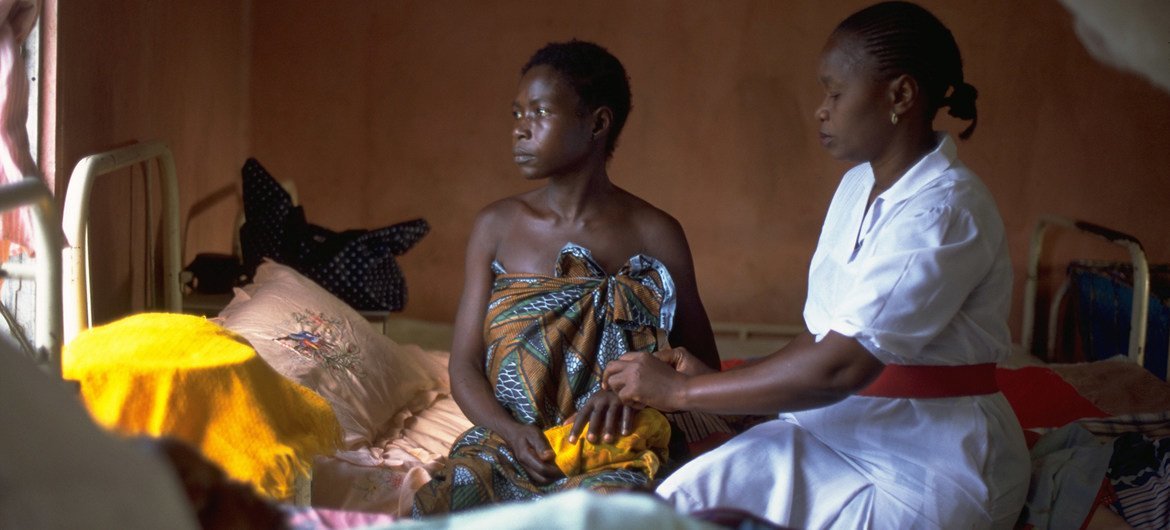
(UN News)* — A stillborn baby is delivered every 16 seconds, which translates into nearly two million infants over the course of a year that never took their first breath, according to a new UN report published on Thursday [8 October 2020].
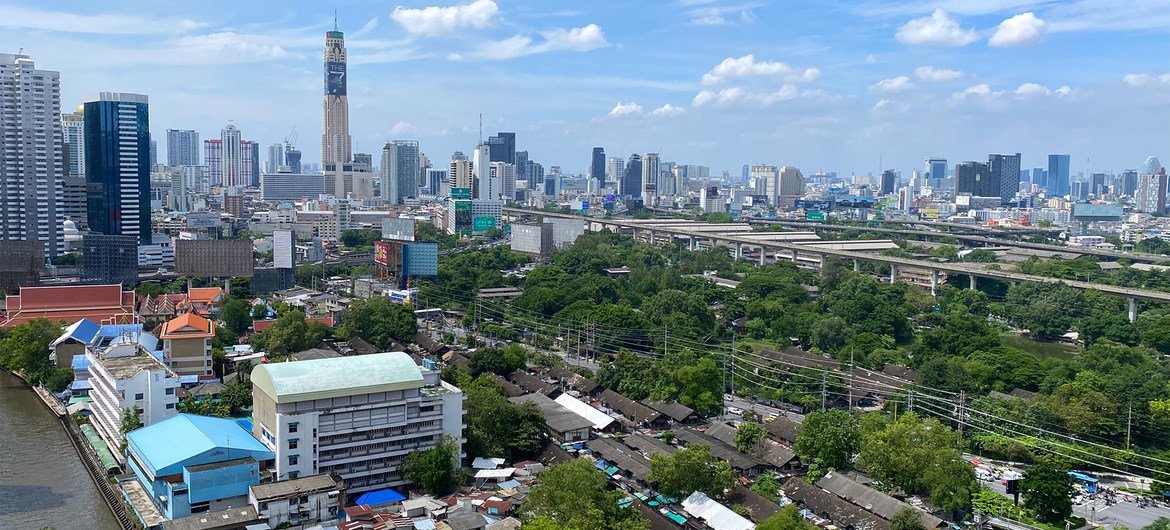
5 October 2020 (UN News)* — Commemorating World Habitat Day, on Monday, top UN officials called for urgent action to provide low-income families and vulnerable populations with affordable housing with security of tenure and easy access to water, sanitation, transport and other basic services.
UN News/Vibhu Mishra | A view of the city of Bangkok, the capital of Thailand.
“Access to clean water and sanitation, along with social distancing, are key responses to the pandemic. Yet in slums it has proved difficult to implement these measures,” said Mr. Guterres.
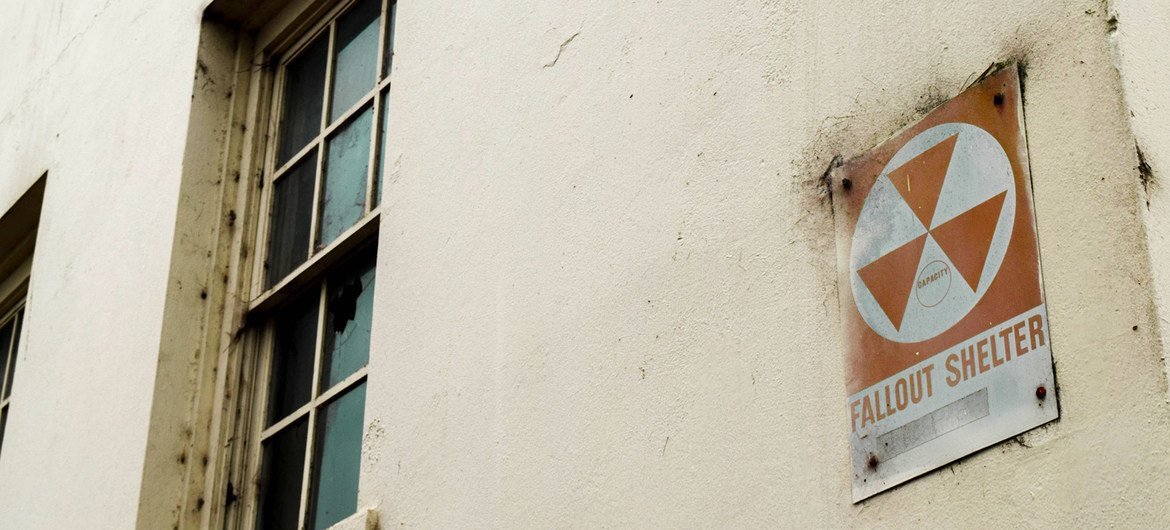
(UN News)* — The elimination of nuclear weapons is vital to the “survival of life on this planet”, the UN chief told the final major event of the General Assembly’s high level week on Friday [2 October 2020].
Unsplash/Burgess Milner | At the height of the Cold War, more fallout shelters were built as the perceived threat from nuclear war increased.
2 October 2020 (United Nations)* — The International Day of Non-Violence is observed on 2 October, the birthday of Mahatma Gandhi, leader of the Indian independence movement and pioneer of the philosophy and strategy of non-violence.
The “Non-Violence” (or “Knotted Gun”) sculpture by Swedish artist Carl Fredrik Reuterswärd on display at the UN Visitors’ Plaza. PHOTO:UN Photo/Fan Xiao
According to General Assembly resolution A/RES/61/271 of 15 June 2007, which established the commemoration, the International Day is an occasion to “disseminate the message of non-violence, including through education and public awareness”.




 HUMAN WRONGS WATCH