(UN News)* —The UN Secretary-General has condemned amendments adopted by Israel’s Knesset to a law aimed at ceasing the operations of the UN agency assisting Palestine refugees (UNRWA), saying the measures must be immediately repealed.
UNRWA | UNRWA Headquarters in East Jerusalem. (file)
The amendments, adopted on 29 December, to the Law to Cease UNRWA Operations “seek to further impede UNRWA’s ability to operate and carry out its mandated activities,” said astatementissued by the Spokesperson for Secretary-General Antonio Guterres.
Tweet URL
“The Law and its amendments are inconsistent with the status and international legal framework applicable to UNRWA and must be immediately repealed,” it added.
(UN News)* — As 2026 begins, residents of the Gaza Strip are confronting life in displacement camps and among the ruins of destroyed neighbourhoods – facing deep uncertainty after months of war and devastation.
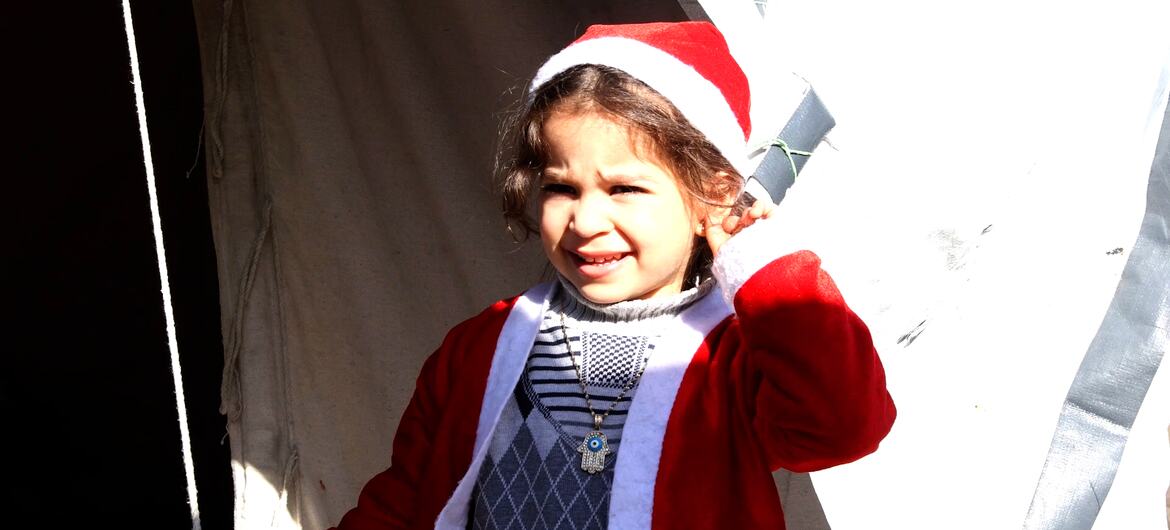
UN News | A young Palestinian girl wearing a Santa Claus outfit, stands in front of tents belonging to displaced families in northern Gaza City.
Hundreds of thousands of Palestinians remain uprooted, many living in makeshift tents pitched on bare ground or squeezed into damaged buildings without reliable access to water, electricity, healthcare or sanitation. Winter rains have compounded the hardship, flooding shelters and turning camp pathways into heavy mud.
Horrified by IDF war crimes in Gaza, more Americans are said to support Palestine than Israel for the first time ever
Israeli troops now routinely ‘secure’ the Old City of Hebron in the occupied West Bank, severely restricting Palestinians’ movements, to allow Israeli settlers to tour the city | Mosab Shawer / Middle East Images / AFP via Getty Images
11 December 2025 (openDemocracy)** —Two months into Israel and Hamas’s ‘ceasefire’, the name is already proving a misnomer. Violence continues in Gaza, where more than 360 Palestinians, including as many as 70 children, and three Israeli soldiers have been killed since 10 October.
(UN News)* —Severe weather conditions have led to further casualties and heightened health risks in Gaza over the past 24 hours, the UN aid coordination office (OCHA) reported on Monday [].
Heavy seasonal downpours are compounding an already dire humanitarian situation, as rainstorms cause war-damaged buildings to collapse, flood tents and soak people’s belongings, OCHAsaid.
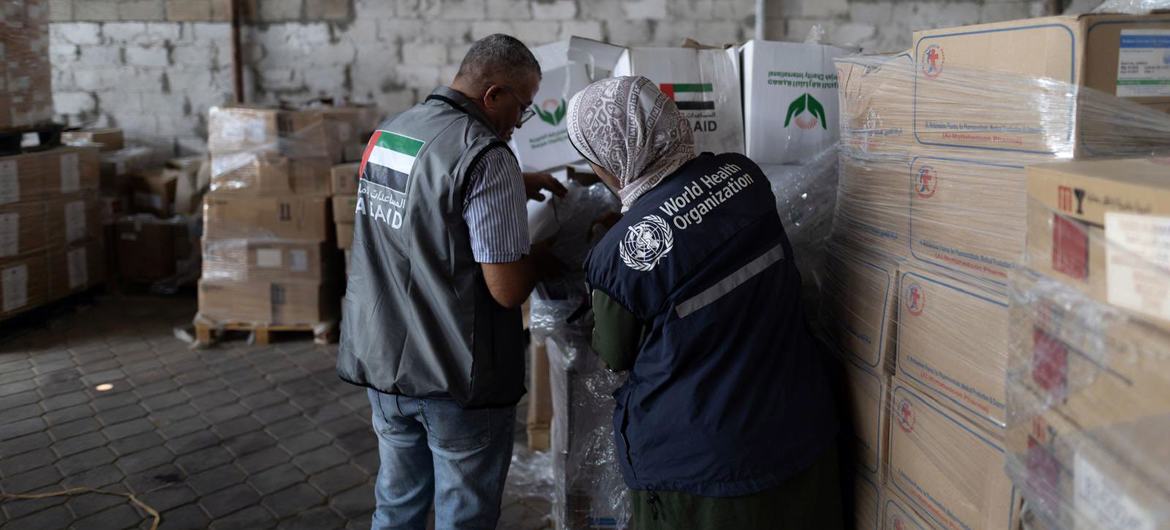
To respond swiftly to flood alerts, a coordinated system bringing together UN agencies and non-governmental organizations is distributing tents, tarpaulins, warm clothes, blankets and dignity kits across Gaza.
The UN and its partners are also mobilising heavy equipment to pump overflowing sewage – which poses serious health risks – away from residential areas.
Nearly nine in ten agricultural West Bank families – or about 100 000 agricultural households – have recently experienced at least one acute “shock”.
.
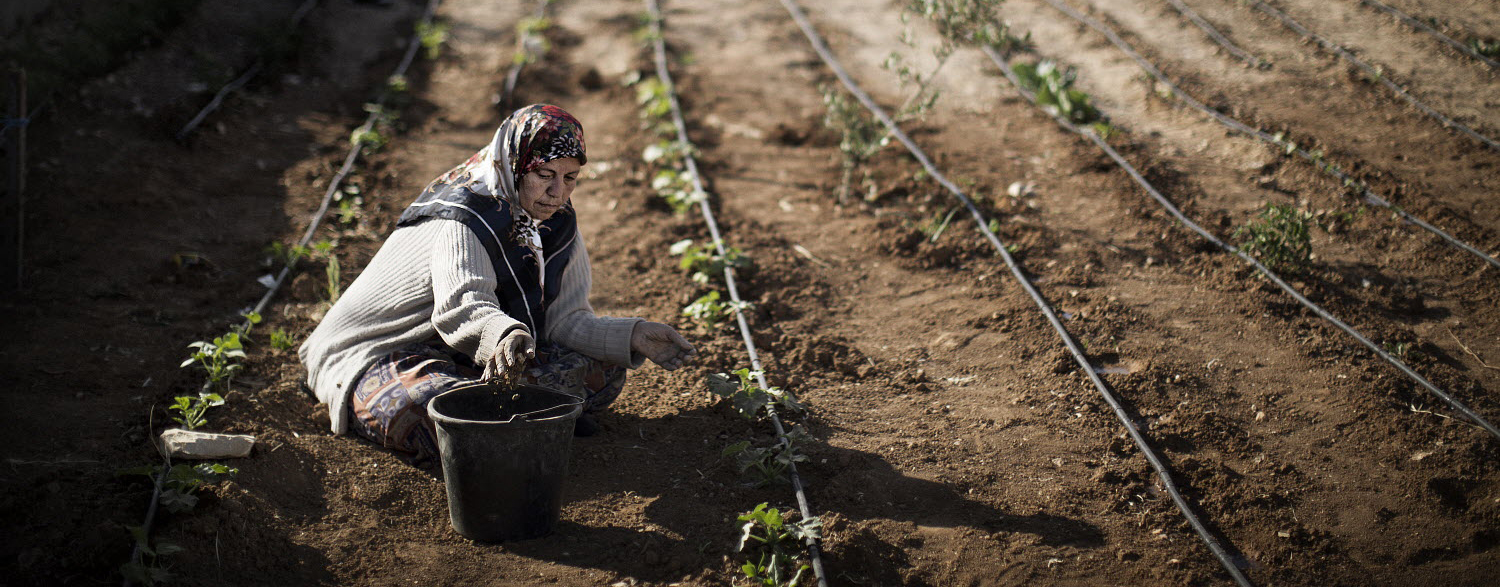
Jerusalem/Cairo – More than 72 000 farming and herding families in the West Bank – nearly two-thirds of all agricultural families – urgently require emergency agricultural assistance, according to a new survey published on 24 December 2025 by the Food and Agriculture Organization of the United Nations (FAO).
The survey shows that about 90 percent of West Bank agricultural families have recently lost income, driven by sharp declines in crop and livestock production and sales.
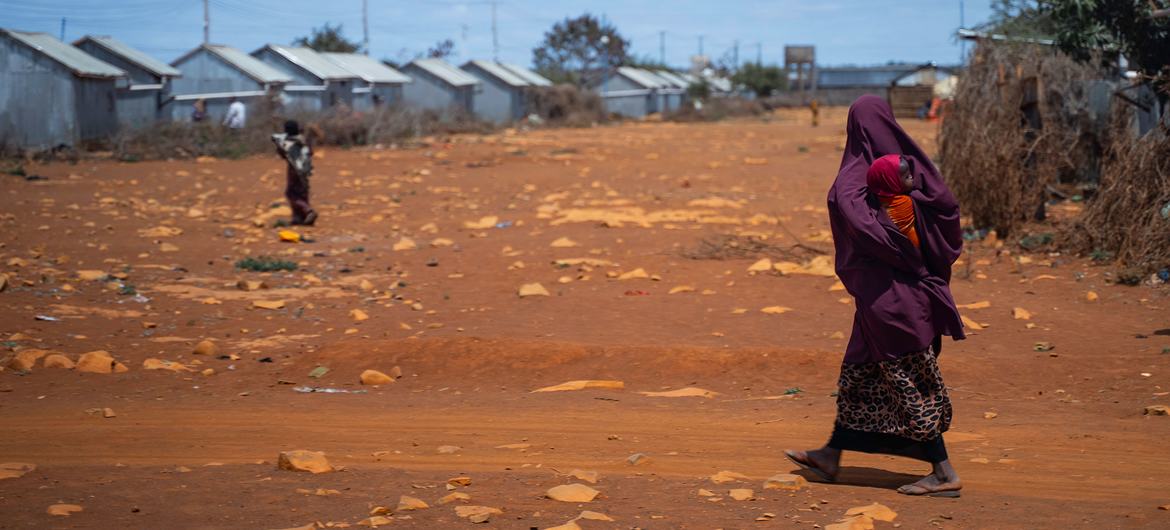
(UN News)* —Brutal slashes to aid budgets are hampering efforts to assist millions of people in Somalia affected by drought, the UN Office for the Coordination of Humanitarian Affairs (OCHA) said on
More than 4.6 million people across the country, roughly a quarter of the population, are impacted, according to local authorities.
“Partners indicate that at least 120,000 people were displaced between September and December, as water prices soar, food becomes increasingly scarce, livestock die and livelihoods collapse,”OCHA said in an update.
Additionally, more than 75,000 students nationwide have been forced to drop out of school.
22 December 2025 — When the seventh edition of the Global Environment Outlook (GEO-7) – a sprawling report on the state of the natural world – came out earlier this month its warnings were stark.
UNEP
Humanity is pushing the Earth to its environmental breaking point, the report’s authors warned, with potentially dire consequences for everything from human health to the global economy.
But GEO-7, produced by the United Nations Environment Programme (UNEP), says it is not too late for humanity to change course.
Within its pages is a recipe for a healthier planet that focuses on transforming five key systems: economic and financial; materials and waste; energy; food; and the environment.
GAZA, The Occupied Palestinian Territory, 24 December 2025 —When Rana learned she was pregnant, her joy was quickly overshadowed by another feeling – fear.
For Rana, as for many of the 55,000 pregnant womenacross Gaza seeking healthcare, the question was not if her baby would be born but where, and whether they would survive the delivery.
“I thought I would have to give birth in a tent,” she recalled.
After two years of relentless attacks, Gaza’s health system has been shattered. Only a fraction of health facilities remain functional, and very few can provide emergency obstetric and newborn care.
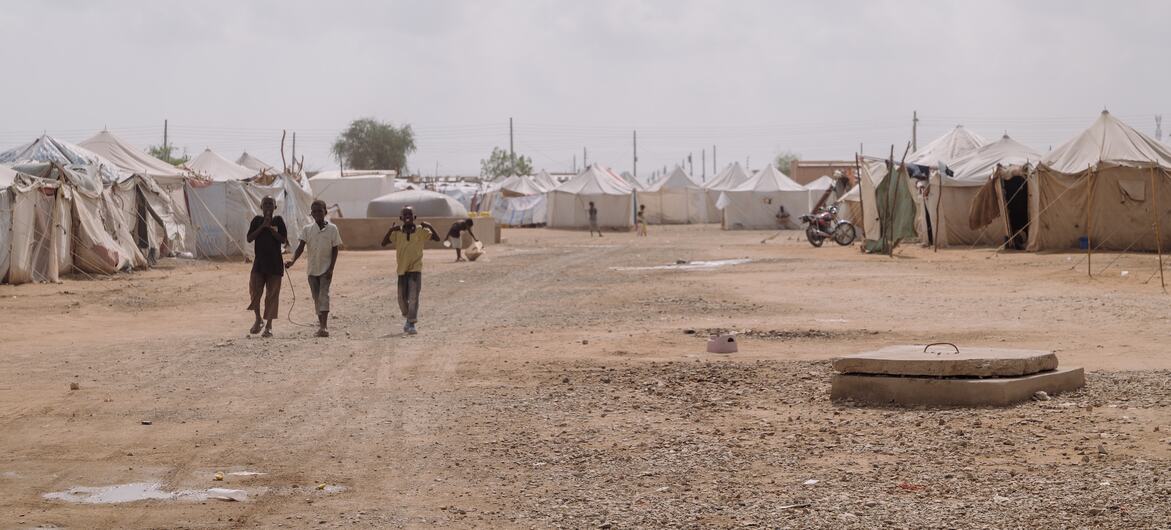
(UN News)* —The war in Sudan is entering a deadlier phase, the United Nations has warned, as intensified fighting in the Kordofan region, mounting civilian casualties from drone strikes and growing risks of regional spillover push the conflict toward the 1,000-day mark.
Briefing the Security Council on Monday [], senior UN political and humanitarian officials described a sharply deteriorating security and humanitarian situation marked by indiscriminate attacks, expanding territorial gains by the Rapid Support Forces (RSF), and escalating dangers for civilians, aid workers and peacekeepers.
Navdanya International has released the report Seeds of Resistance, which documents the global spread of both old and new GMOs and the dismantling of biosafety regulations across continents.
Photo: Manlio Masucci
On November 22, Navdanya International presented this new report for the first time at the international meeting Semillas en Resistencia Global, held at the National Museum of Popular Cultures in Mexico City, together with peasants, Indigenous communities, researchers and activists from Latin America, Africa and Europe.



 HUMAN WRONGS WATCH