Haiti hunger crisis: How WFP delivers food amid violence and insecurity
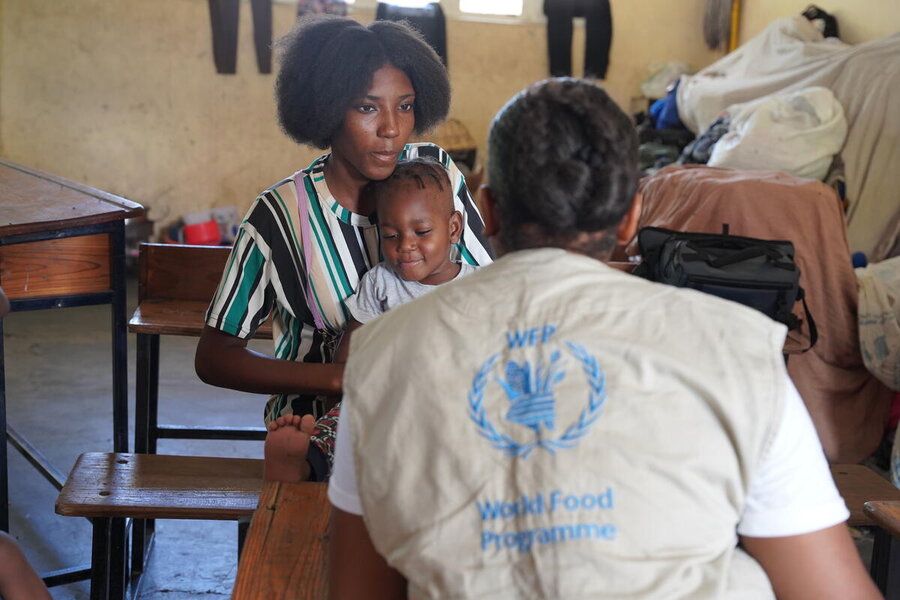
A woman with her daughter at a WFP nutrition assessment in the Ouest Department. Photo: WFP/Tanya Birkbeck
—“You can’t imagine how frustrated I am,” says Janvier Muhima. It’s early morning, and a mission to assist 30,000 people in La Saline, one of the most vulnerable areas of Port-au-Prince, is postponed “simply because the roads are blocked due to violence in the area.”
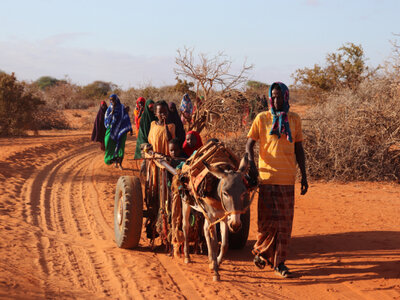
A million more Somalis could be pushed into severe hunger as recurrent droughts and floods, conflict and high food prices threaten to displace families, disrupt farming, restrict market access and increase humanitarian needs.
In recent months, Somaliland has become a subject of intense, unprecedented interest for the Western media.
Somaliland National Army, Public domain, via Wikimedia Commons
As Israeli and US officials scramble to find a destination to forcibly relocate Gaza’s population from their shattered homeland, the little-acknowledged, unrecognised breakaway statelet is increasingly viewed as an attractive option.
(UN News)* —The reported Israeli proposal to deliver humanitarian supplies through hubs controlled by the military would be a breach of the core principles of neutral, impartial and independent aid delivery, the UN said on Tuesday .
“It appears to be a deliberate attempt to weaponize the aid and we have warned against that for a very long time. Aid should be provided based on humanitarian need to whomever needs it,” said Jens Laerke, spokesperson for UN aid coordination office, OCHA.
Europe is the fastest-warming continent, and the impacts of climate change are clear. 2024 was the warmest year on record for Europe.
Storms were often severe and flooding widespread, claiming at least 335 lives and affecting an estimated 413 000 people.
During the year, there was a striking east-west contrast in climate conditions, with extremely dry and often record-warm conditions in the east, and warm but wet conditions in the west.
(UN News)* —The UN Secretary-General is alarmed by reports of Israeli plans to expand ground operations and prolong its military presence in Gaza, a spokesperson for António Guterres said on Monday .
“This will inevitably lead to countless more civilians killed and the further destruction of Gaza,” said UN Deputy Spokesperson Farhan Haq, responding to a journalist’s question during the regular media briefing in New York.
“What’s imperative now is an end to the violence, not more civilian deaths and destruction. Gaza is, and must remain, an integral part of a future Palestinian State.”
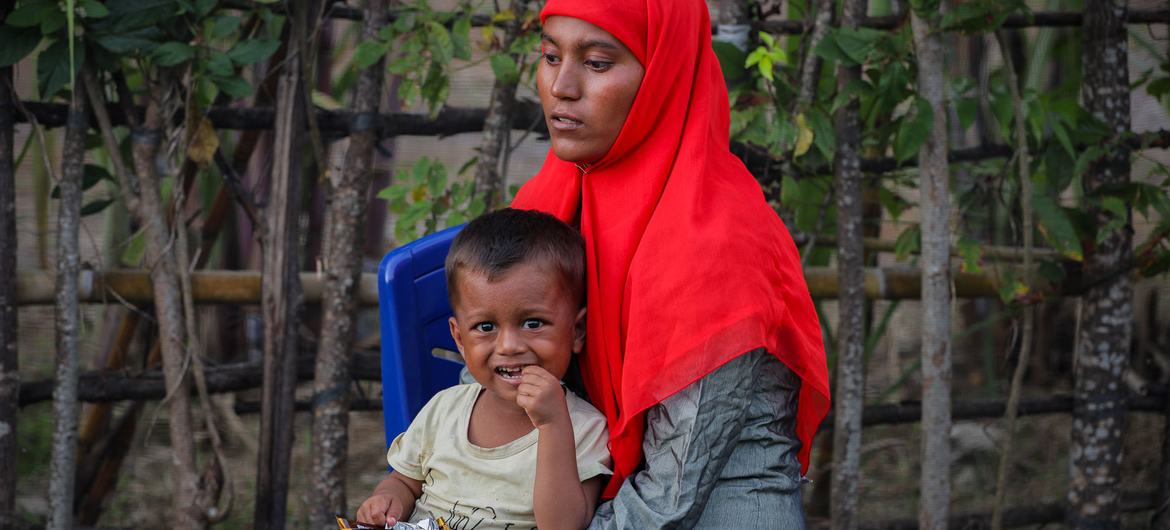
5 May 2025 — Twelve years ago, Nimco was forced to flee her home in Mieso, Ethiopia with her nine children when violence erupted between Somali and Oromo communities. They left everything behind, their home, land, and source of income.
()* — The UN refugee agency (UNHCR) warned on Friday [] that a worsening funding crisis is placing refugees – who cannot return home due to war or persecution – in increasing danger.
With humanitarian resources running dry, critical support for millions of forcibly displaced people is under threat.
UNHCR said that two-thirds of countries hosting refugees are already severely overstretched and urgently need support to continue providing education, healthcare and shelter.
()* — “After losing my leg in the war, I returned to photojournalism not just for work, but because I have loved photography since childhood,” said Palestinian reporter Sami Shahada.
UN News | Palestinian journalist, Sami Shehada lost his leg in an attack in Gaza.
Mr. Shahada lost his leg due to a severe injury he suffered in Nuseirat in central Gaza in April 2024, but he picked up his camera and returned to document the tragic events that have been unfolding in Gaza.
He will not let his disability stop him from working. “It is impossible for me to leave photojournalism, even if I face all these obstacles,” he said.
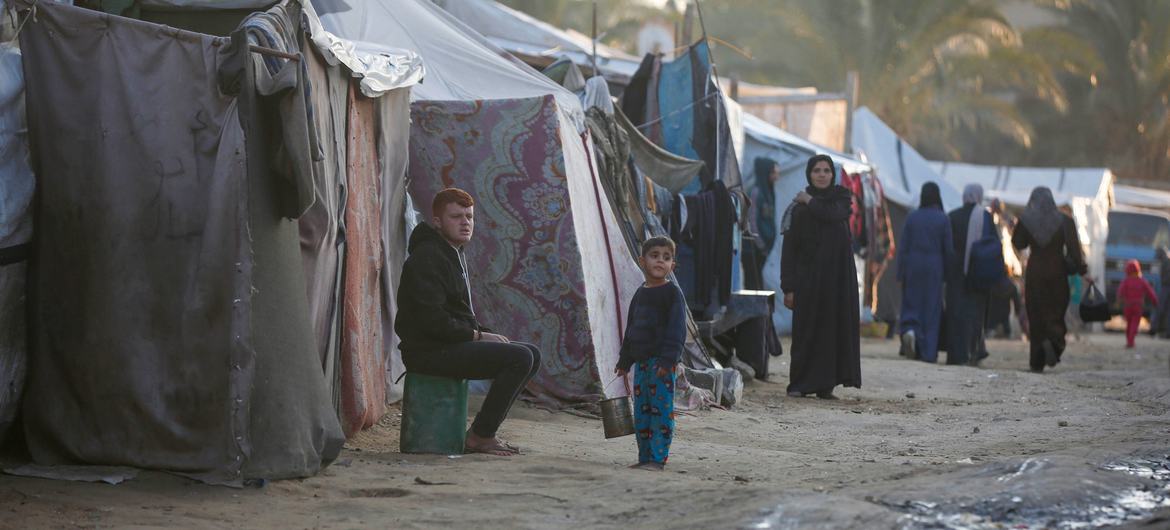
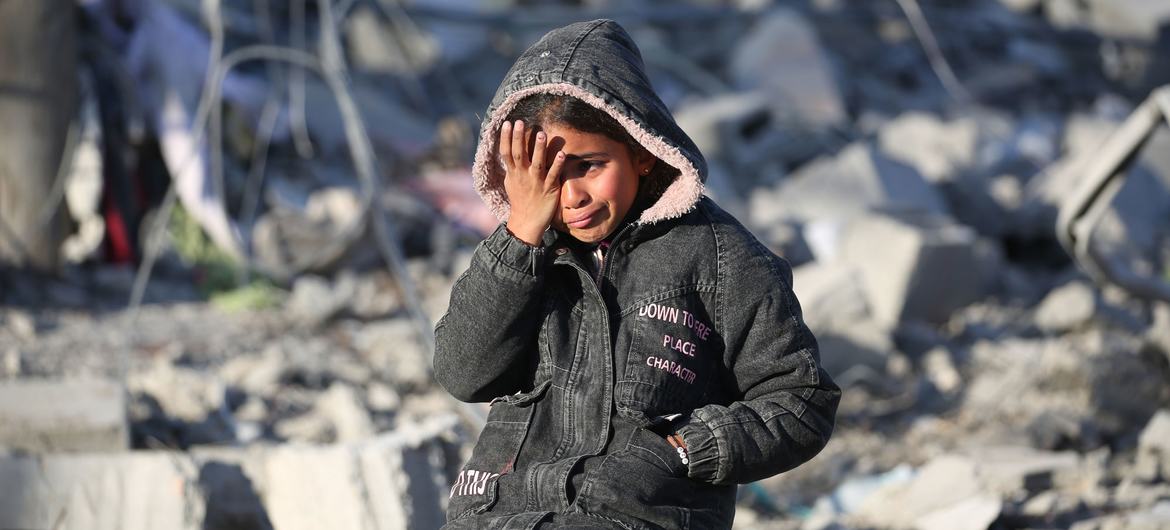
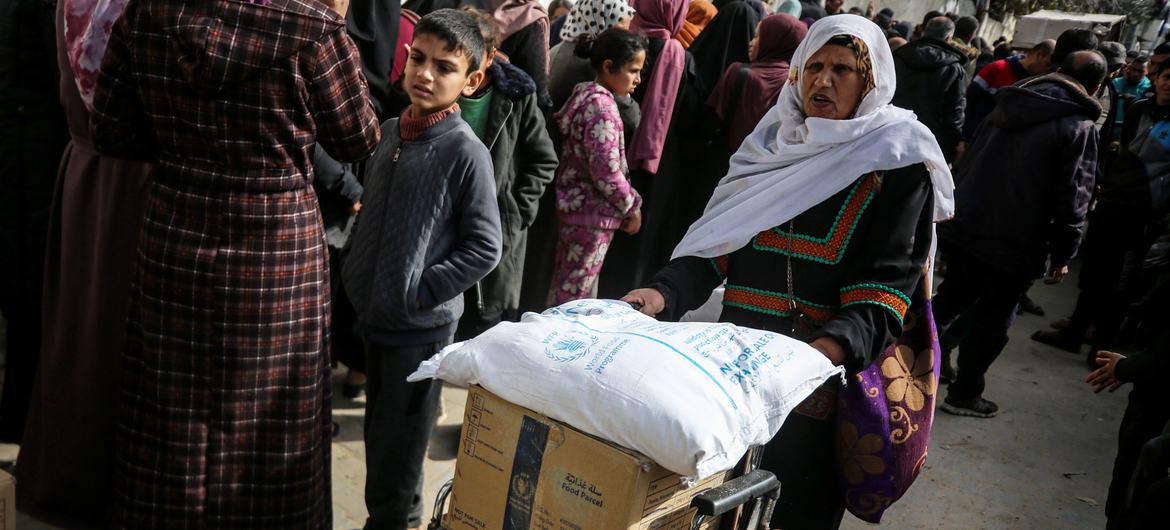
(UN News)* — Two months into a devastating aid blockade of Gaza food has run out and people are fighting over water amid relentless bombing, the UN’s humanitarian affairs coordination office (OCHA) on said.
Speaking from Gaza City OCHA spokesperson Olga Cherevko told journalists in Geneva that a friend of hers “saw people burning a few days ago from the explosions – and there was no water to save them.”
 WFP/Petroc Wilton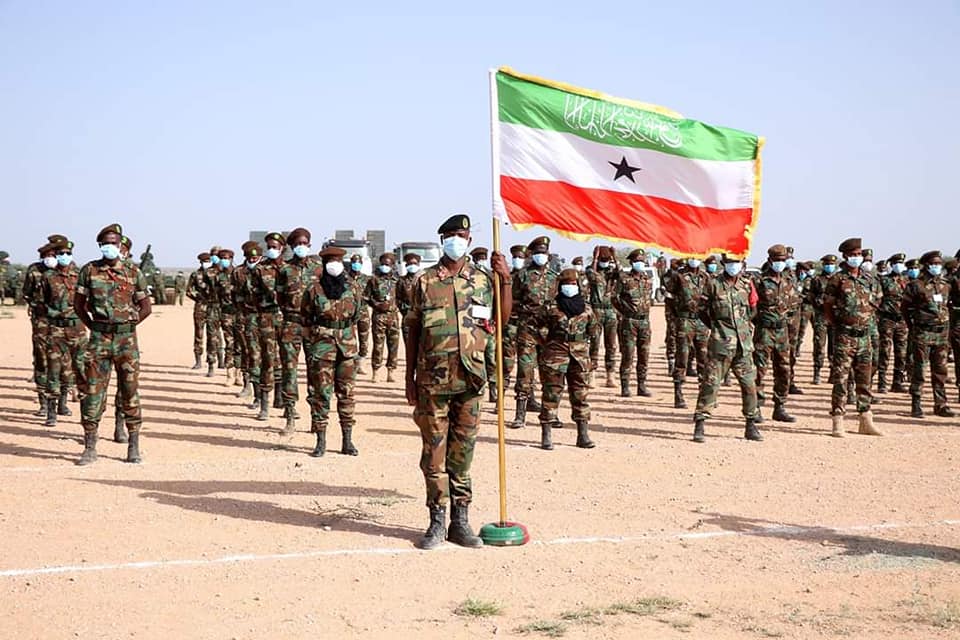



 HUMAN WRONGS WATCH