Text: Samuel Jegede and Kristine Grønhaug Photo: Samuel Jegede
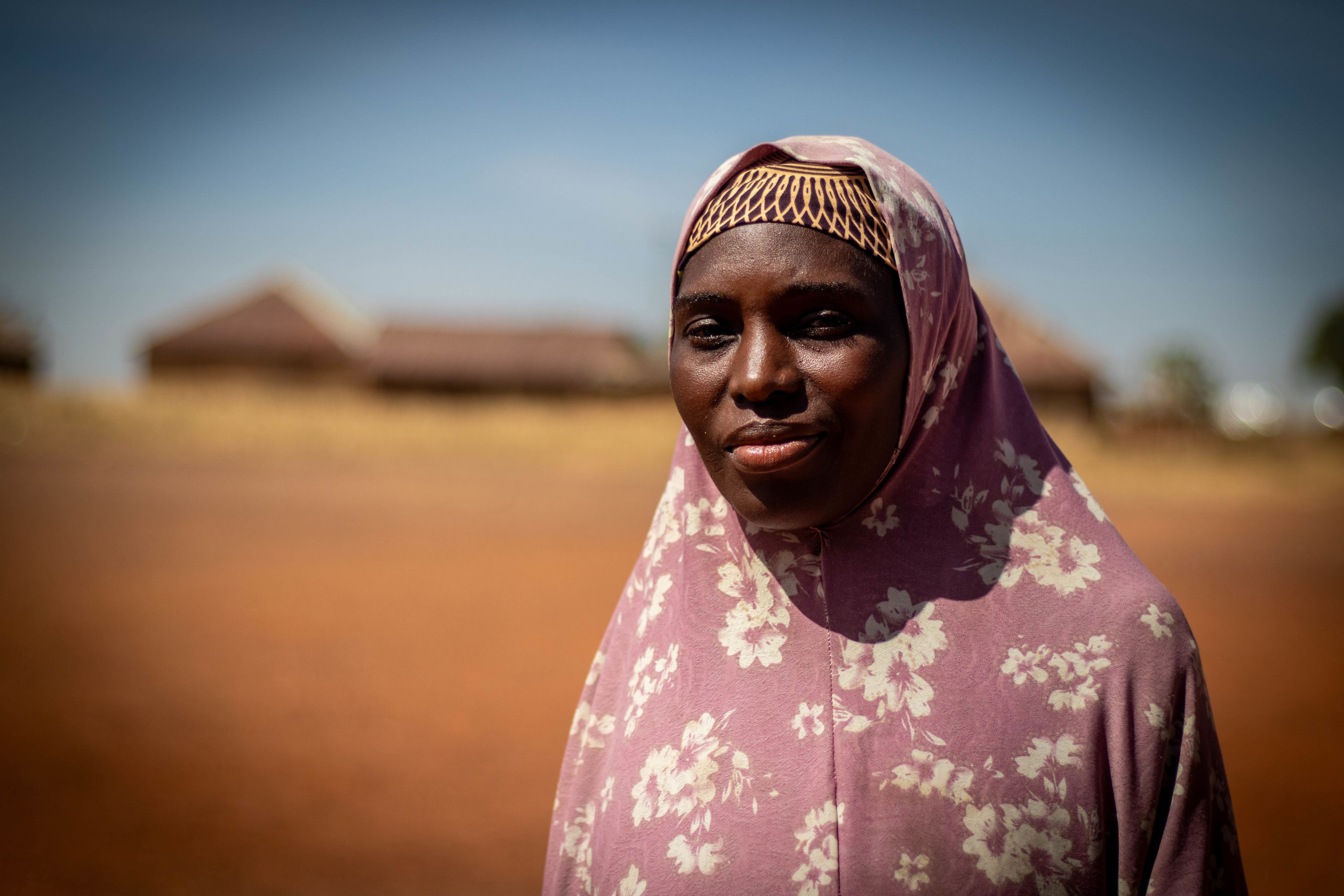
Violent attacks. The Boko Haram crisis. Fighting over land. Economic insecurity. There are many dangers facing the people of Nigeria. What is it like for parents, teachers and children to live with these threats?
“We don’t have peace of mind. We never know what could happen, whether we’re at home or on our farm or elsewhere. You can be attacked anywhere nowadays,” said Aishatu Musa, mother of four (pictured above).
(UN News)* —AI looks set to be transformative for us all, but it also brings a real risk of job losses and widening social and economic divides. UN experts are focusing on how to manage that transition, to ensure the benefits of the technology outweigh the threats.
Whether you are a “doomer” or a “boomer” on the subject, it’s impossible to ignore AI, which is seeping into every corner of our personal and professional lives.
The UN has been banging the drum for a “people-first” approach to the subject for years now.
UN Secretary-General António Guterreswarned the Security Councilback in 2024 that the fate of humanity “must never be left to the ‘black box’ of an algorithm,”and that people must always retain oversight and control over AI decision-making to ensure that human rights are upheld.
The Greek government has introduced an immigration bill with measures that explicitly link nongovernmental groups and humanitarian workers with criminal conduct, when in reality they are helping people in distress trying to reach Greece.
UNITED NATIONS, Jan 30 2026 (IPS)* –– UN Secretary-General Antonio Guterres was dead on target when he told the Security Council last week that the rule of law worldwide is being replaced by the law of the jungle.
.
UN Secretary-General António Guterres (seated at right) speaks to reporters at a press conference at UN Headquarters, in New York. UN Photo/Mark Garten
“We see flagrant violations of international law and brazen disregard for the UN Charter. From Gaza to Ukraine, and around the world, the rule of law is being treated as an à la carte menu,” he pointed out, as mass killings continue.
“The New York Times on January 28 quoted a recent study pointing out the four-year war between Russia and Ukraine has resulted in over “two million killed, wounded or missing.”
20 Jan 2026 – Europe woke up in 2026 with a hangover and a revelation: Wait… we’re a colony?Apparently, watching Nicolás Maduro paraded in Nike gear like a petty criminal was funny—until Europeans realized they, too, are potential Maduros. Same script, better tailoring.
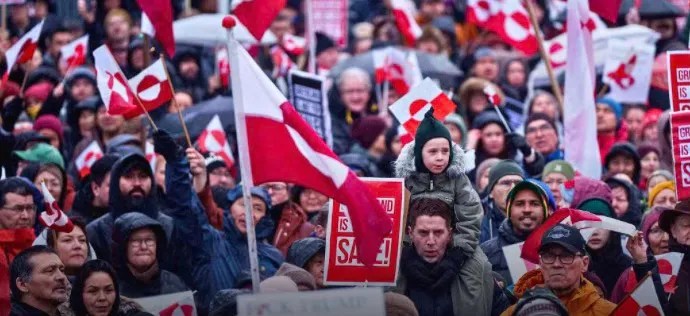
Cue France, Britain or Germany sending troops to do “symbolic” military exercises with Denmark, to “discourage” Donald Trump from annexing Greenland. Symbolic being the key word.
Because let’s be serious for half a second—just half. Europe is already under American military occupation. The main army stationed on European soil is not French, not German, not Danish.
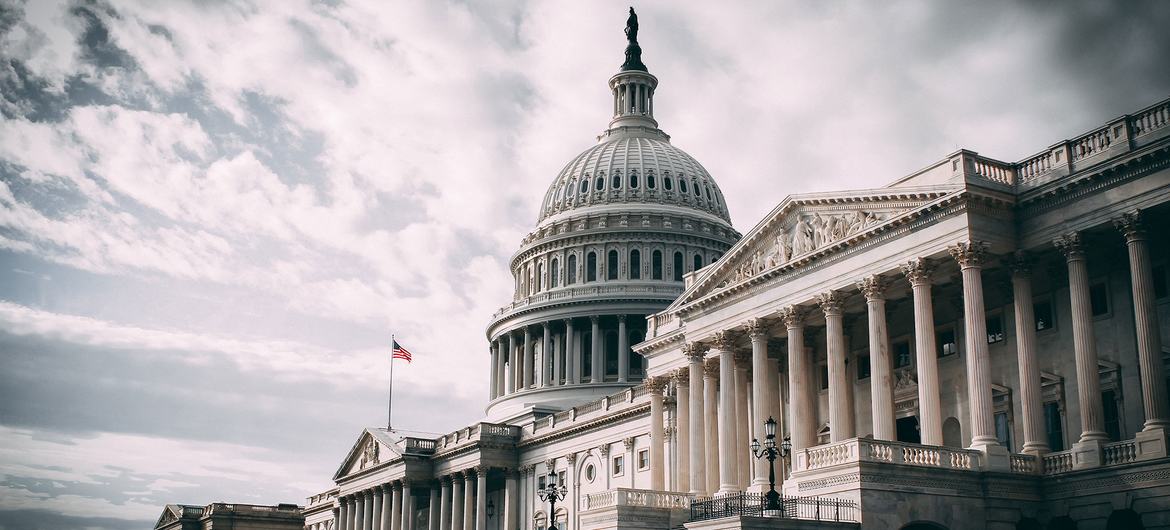
UNITED NATIONS, Jan 26 2026 (IPS)* –– Judging by the mixed signals coming out of the White House, is the Board of Peace, a creation of President Donald Trump, eventually aimed at replacing the UN Security Council or the United Nations itself?
At a ceremony in Davos, Switzerland last week, Trump formally ratified the Charter of the Board — establishing it as “an official international organization”.
(UN News)* — UN-appointed independent human rights experts have raised alarm over violations of children’s rights during US immigration procedures, nearly a year after federal funding for legal representation for unaccompanied minors was terminated.
Thousands of children remain in custody without access to legal counsel; a situation the experts warn is forcing minors to navigate complex immigration proceedings alone and undermining their fundamental rights.
The three Special Rapporteurs, appointed by the UN Human Rights Council, said they are in contact with the US Government on the issue.
The UN on Thursday [] issued a call for widespread financial reform as the most powerful way to shift global markets towards realising a better world, for people and the planet.
For every dollar invested in protecting nature, 30 dollars are spent on destroying it– that’s the central finding of theState of Finance for Nature 2026report, which calls for a major policy shift towards scaling up solutions that help the natural world – and support the economy at the same time.
STOCKHOLM, Sweden, Jan 13 2026 (IPS)* – At the moment, ICE’s advancement in the U.S. is apparently dividing the nation’s population into desired and undesirable elements.
.
Refugees by Honoré Daumier (1808-1879)
The Immigration and Customs Enforcement (ICE) was born after the September 11, 2001 attacks on the Twin Towers and intended to be a response to terrorism.
However, with Donald Trump’s return to the White House, federal immigration agents have become the president’s praetorian guard, implementing his immigration politics.
(UN News)* —Three months into the ceasefire in the Gaza Strip, the UN and partners have delivered tonnes of assistance items and carried out critical repairs, but this is only a temporary “Band-Aid” solution, a veteran aid worker warned.
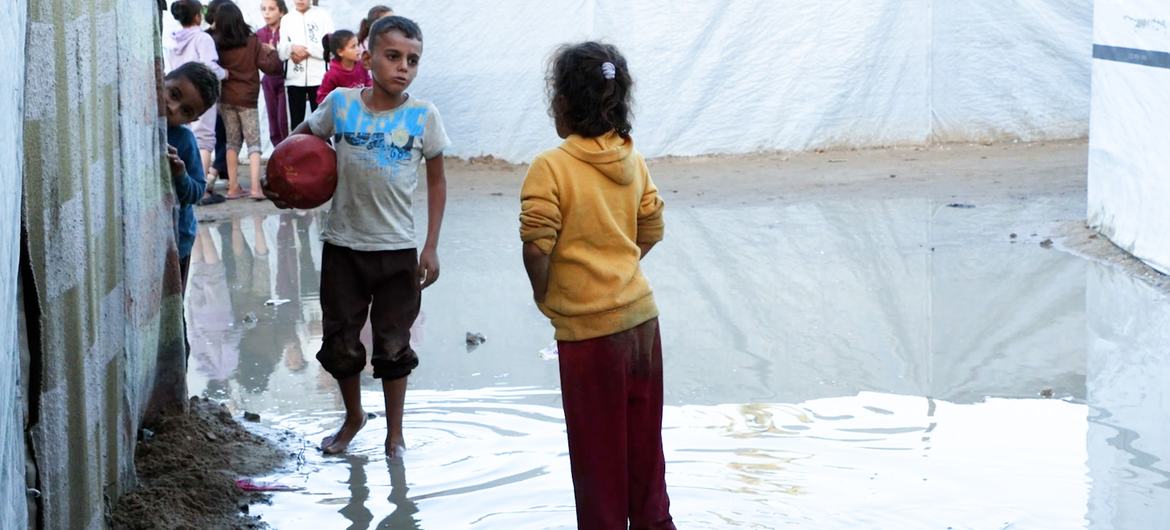
UN News | Many Palestinian families are living in poorly equipped shelters that are highly vulnerable to flooding, leaving people inevitably exposed to harsh, stormy weather.
“The humanitarian situation and crisis in Gaza is far from being over,” Olga Cherevko from the UN aid coordination office OCHAsaid on Friday [] in an update to journalists in Jerusalem.
“For the Palestinians in Gaza, their lives continue to be defined by displacement, trauma, uncertainty, and deprivation.”






 HUMAN WRONGS WATCH