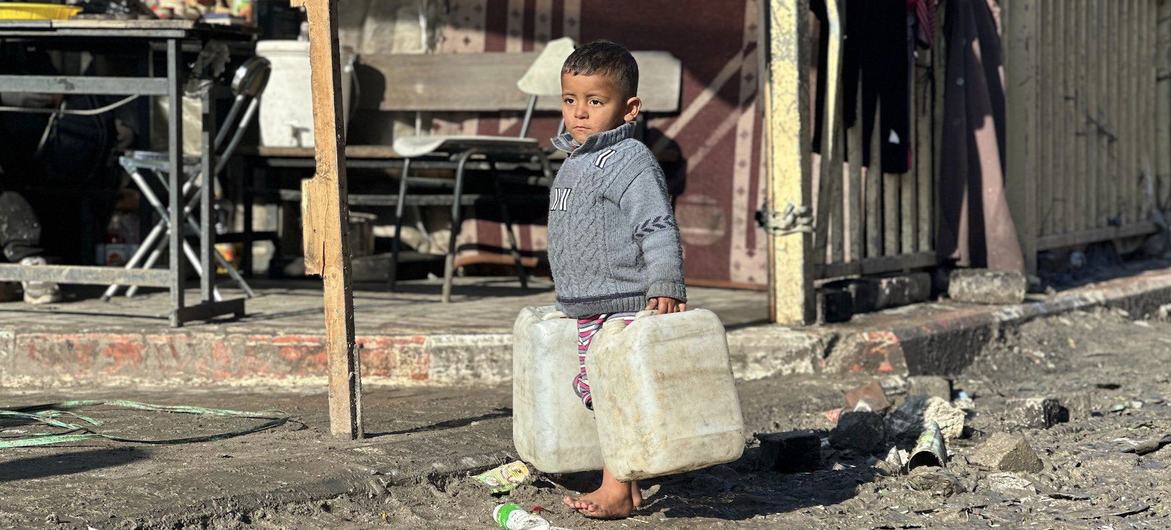
(UN News)* — UN-coordinated food convoys are three times more likely to be denied access to north Gaza than other aid convoys, the UN humanitarian affairs office, OCHA, reported on Tuesday [9 April 2024].
Israeli authorities have not given a clear reason why, said OCHA Spokesperson Jens Laerke, speaking during the regular briefing by UN humanitarian agencies in Geneva.
“They very often deny and that is it, and it ends there. We do not get an explanation,” he said.
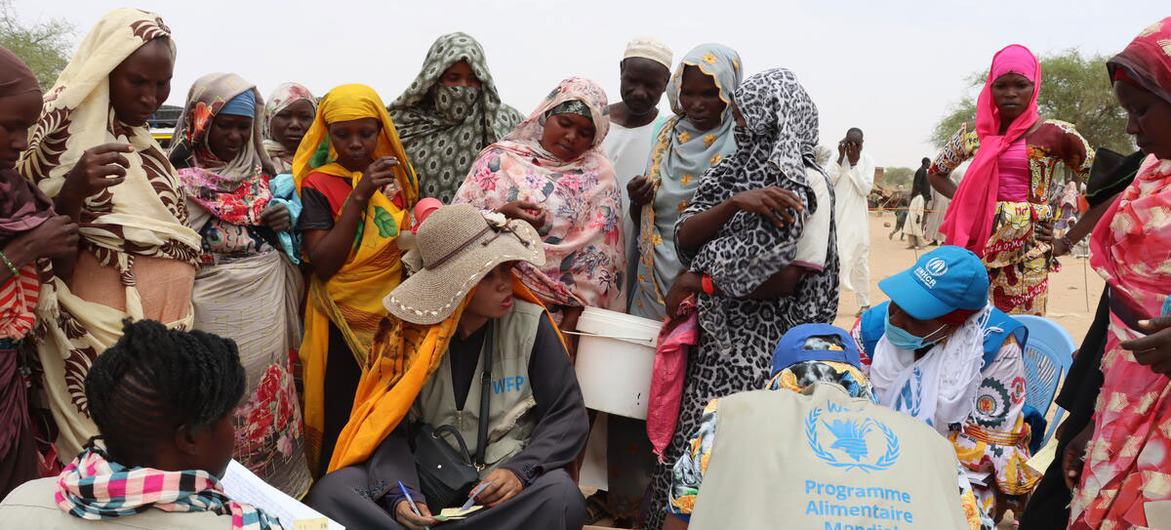
(UN NEWS)* — Over 8.5 million Sudanese have been forced to flee their homes in Sudan since the war between rival militaries erupted last April, the UN refugee agency, UNHCR, said on Tuesday [].
At least 1.8 million among them fled across the border into neighbouring, South Sudan, Chad, Central African Republic, Egypt and Ethiopia; as well as Uganda.
Thousands more are arriving by the day, agency spokesperson Olga Sarrado told journalists at the regular news briefing in Geneva.
(UN News)* — The President of the UN General Assembly appealed on Monday [8 April 2024] for “all those with leverage” to use their power to bring an end to the six-month-long war in Gaza.
Dennis Francis convened the UN’s most representative body, comprising all 193 Member States, following the Security Council’s failure to adopt a resolution put forward by the United States last month.
The debate was triggered by a 2022 Assembly resolution that calls for a meeting to be held within 10 working days whenever a veto is cast in the Council.
ACCRA, Ghana, Apr 3 2024 (IPS)* – Developing countries are being blamed for having borrowed and spent irresponsibly. But they have only been doing what foreign powers and financial interests have urged them to do.
Ndongo Samba Sylla
Since the 2008 global financial crisis, developing nations have been told to borrow massively from private finance, even at exorbitant interest rates, to scale funding up ‘from billions to trillions’.
With progress towards sustainable development often in reverse, servicing external debt now blocks progress. Many governments have cut back spending in line with conditions or advice from powerful foreign economic agencies.
Current account tales Many still believe all national economies should have trade or current account surpluses with others – typically citing Germany’s and Japan’s post-war booms. But of course, not all countries can have surpluses simultaneously.
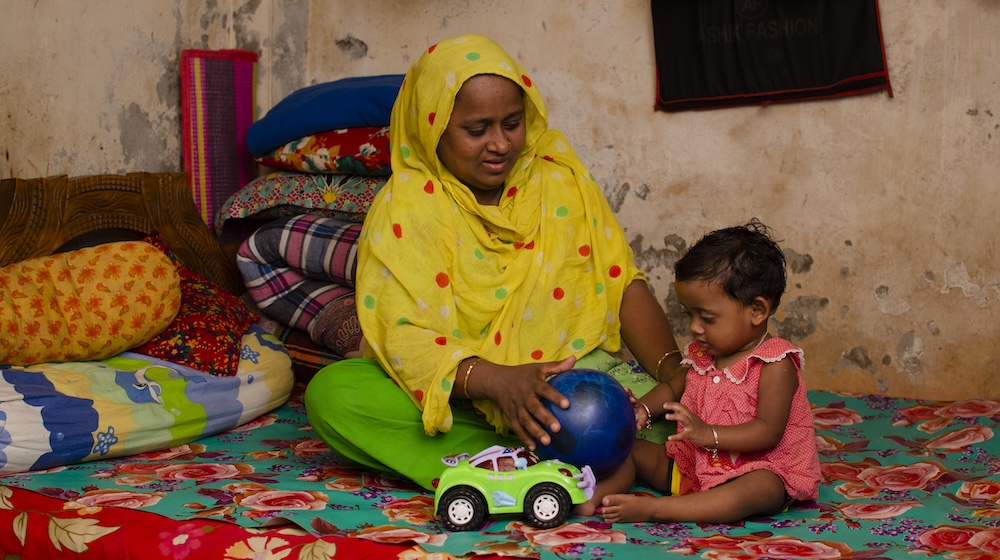
UNITED NATIONS, New York, 5 April 2024(UNFPA)* -–Everyone has the right to health; and for women and girls, one aspect of this fundamental promise is the right to safe motherhood.
Yet every two minutes, a woman or girl still dies due to pregnancy or childbirth, with the vast majority of these tragedies preventable.
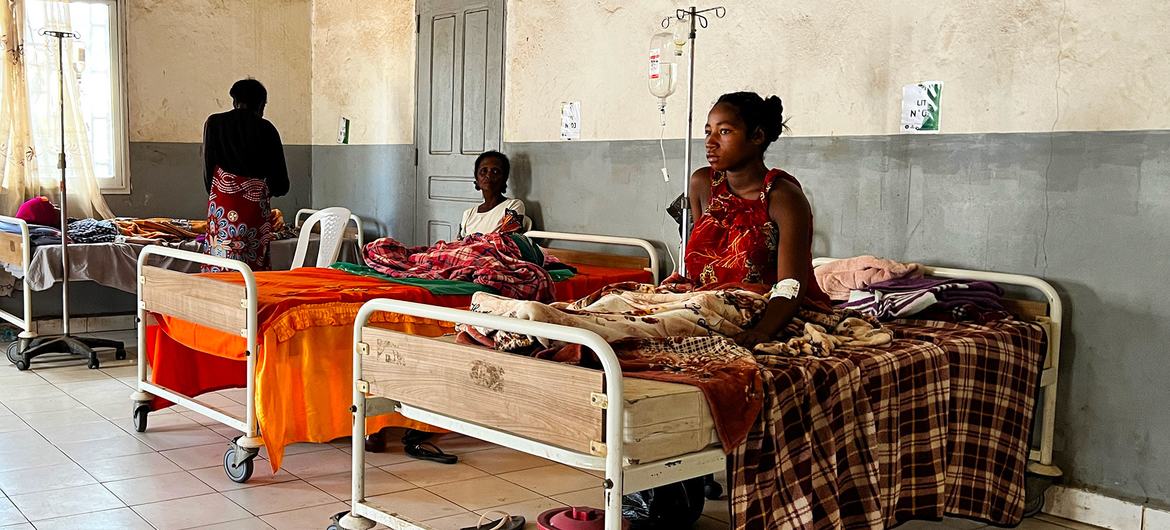
A young mother in Madagascar has been describing how she was forced to make a 200km emergency journey on challenging rural roads to a specialist regional hospital after she experienced difficulties giving birth at home.
UN News/Daniel Dickinson | Young mothers recover in the maternity ward of the Androy Regional Referral Hospital.
“I thought I was going to lose my baby and die on the journey to hospital.”
The chilling words of Samueline Razafindravao, who had to make the harrowing hours-long trip to the nearest specialist hospital in Ambovombe town in the Androy region of southern Madagascar after it became clear she might lose her child if she did not seek urgent medical attention.
(OXFAM)* 3 April 2024 — People in northern Gaza have been forced to survive on an average of 245 calories a day – less than a can of fava beans – since January, as Israeli forces continue their military onslaught. Over 300,000 people are believed to still be trapped there, unable to leave.
(UN News)* — In April 1994, a sinister call was broadcast over radio stations across Rwanda, triggering the start of 100 days of genocide that left more than one million people dead. Henriette Mutegwaraba heard that call.
UN Photo/Loey Felipe | Henriette Mutegwaraba, survivor of the genocide against the Tutsi in Rwanda and founder of the Million Lives Genocide relief fund, addresses the commemoration of the International Day of Reflection on the 1994 Genocide.
“Every time I talk about it, I cry,” she told UN News, describing how propaganda spread messages of hate that sparked a deadly wave of unspeakable violence. She lost 60 family members and friends in the mass slaughter.
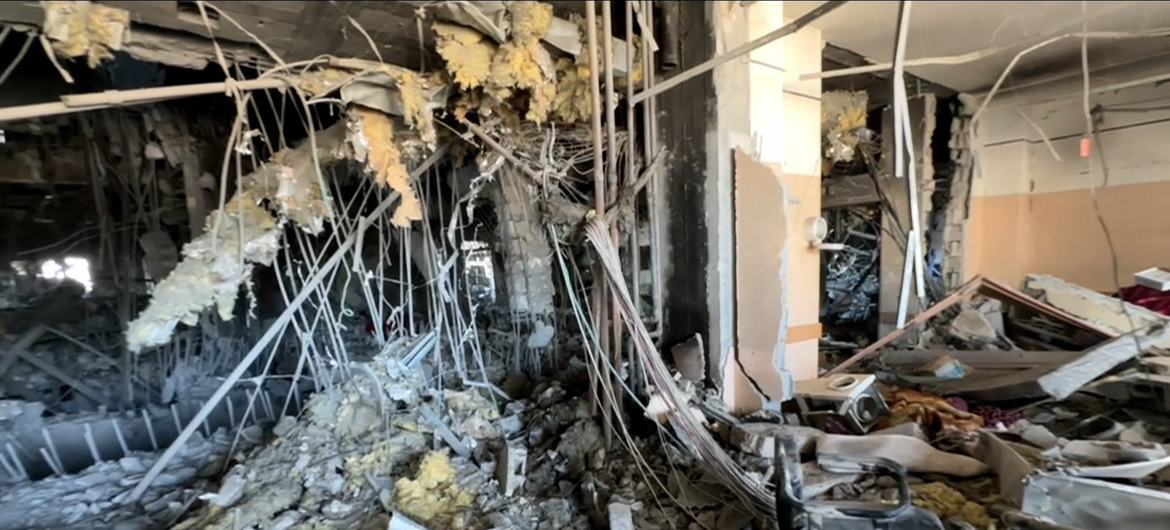
(UN News)* —With the largest hospital in Gaza largely destroyed and out of action, access to healthcare has now become “totally inadequate” following six months of brutal fighting between Israeli forces and Palestinian militants, said the World Health Organization (WHO) on Saturday [].
UN News | Footage of destruction of Al-Shifa hospital in Gaza, following the end of the latest Israeli siege. The World Health Organization (WHO) reiterated that hospitals must be respected and protected; they must not be used as battlefields.
Displaced Palestinians preparing food to break the fastin the centre of Deir al-Balah, Middle Areas, Gaza Strip, April 2024 @ 2024 UNRWA Photo by Ashraf Amra
Following the 1948 War between Israel and Arab neighbors, UNRWA was established by United Nations General Assembly Resolution 302 (IV) on December 8th, 1949 to carry out direct relief and works programmes for Palestine refugees. The Agency began operations on May 1st, 1950.





 HUMAN WRONGS WATCH