An eyewitness account of one community being pushed to the brink as the World Food Programme is forced to cut food assistance to 10 million people.
.
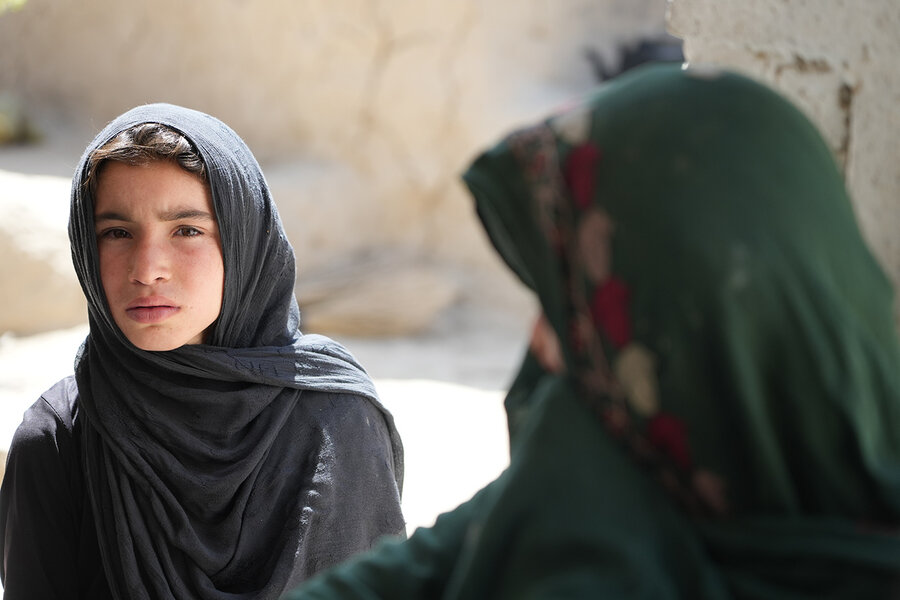
WFP is cutting food assistance to 10 million people in Afghanistan including this community in Kabul. Photo: WFP/Hasib Hazinyar
The children stare at us, all curious. They are, by now, used to seeing World Food Programme (WFP) staff zipping in and out of the informal settlement they live in on the outskirts of Kabul, in white SUVs.
Only this mission is not to deliver food or sign anyone up for anything. It’s simply to place on the record how people are doing after we cut food assistance to them altogether.
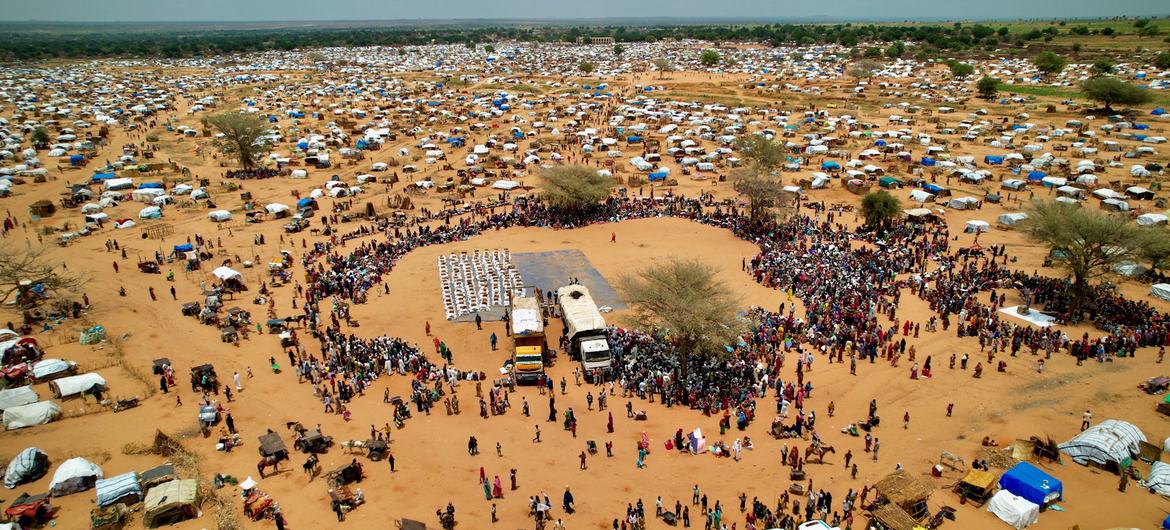
(UN News)* — The UN refugee agency, UNHCR, and 64 humanitarian and national civil society organisations on Monday [] appealed for $1 billion to provide essential aid and protection to more than 1.8 million people fleeing the ongoing conflict in Sudan who are expected to arrive in five neighbouring countries by the end of 2023.
Since the crisis began when rival military groups clashed in mid-April, projections of growing numbers of people trying to escape fighting have sharply spiked upwards.
“The crisis has triggered an urgent demand for humanitarian assistance, as those arriving in remote border areas find themselves in desperate circumstances due to inadequate services, poor infrastructure and limited access,” said Mamadou Dian Balde, UNHCR Regional Bureau Director for the East and Horn of Africa and Great Lakes, and Regional Refugee Coordinator for the Sudan Situation.
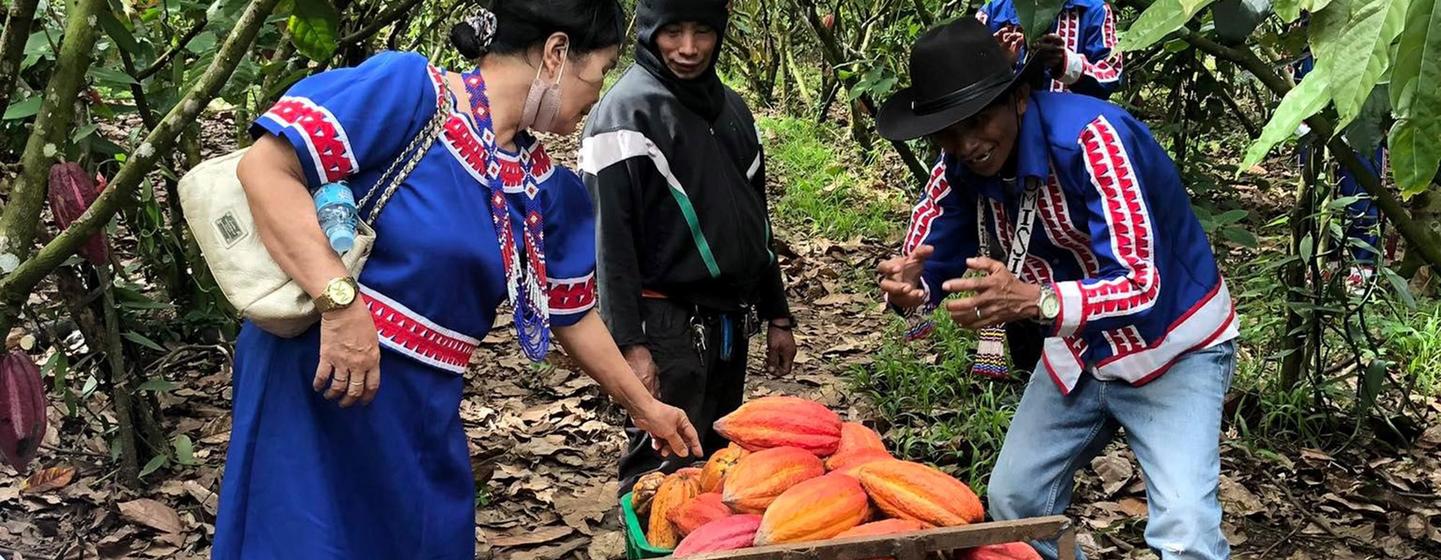
In the mountainous province of Bukidnon in the southern Philippines, local indigenous groups are being forced to adapt to the alarming impacts of climate change. With UN support, communities are making significant strides, using centuries-old knowledge to forge sustainable solutions.
Local tribal leader Jemuel Perino discussed the success of local initiatives, supported by the UN Development Programme (UNDP) Adaption Fund Climate Change Innovation Accelerator (AFCIA), in educating his community on effective prevention and mitigation techniques to deal with the growing impacts of climate change.
“The indigenous cultural communities have their own centuries-old knowledge, systems, and practices and have kept them alive,” Mr. Perino said. “In the Philippines, the Government is promoting their use in environmental protection and conservation.”
Ameenah Gurib-Fakim argues that Innovative global development finance ecosystems are needed to unlock equitable international financing flows while preserving the fiscal sovereignty of developing countries to pursue development pathways unique to their circumstances and realities.
A view of an artificial installed at Mon Choisy Beach to combat soil erosion and create resilience. The installation will break up the waves before they reach the shore and will also act as a habitat for fish. Credit: Reuben Pillay/Climate Visuals Countdown
PORT LOUIS, Sep 4 2023 (IPS)* – The Africa Climate Summit 2023 is expected to start with renewed hope. In its 60+ years of post-independence history, Africa has contributed around 3% of Green House Emissions, accounts for approximately 2.6% of global trade, and less than 3% of the world’s GDP in 2021.
Climate-induced water insecurity poses one of the biggest threats to humanity and will lead to more hunger, disease and displacement.
Climate Change and Water Security. Oxfam‘s report “Water Dilemmas” highlights how a water security crisis, in large part driven by global heating from greenhouse gas emissions, will fuel hunger and disease and force more people to leave their homes. | Photo: Oxfamwash.org
Oxfam water engineers are having to drill deeper, more expensive and harder-to-maintain water boreholes used by some of the poorest communities around the world, more often now only to find dry, depleted or polluted reservoirs. | FrenchArabic
Climate justice is not just about survival but also about benefit sharing, reducing inequality and enabling a better society that thrives – Yamide Dagnet, Climate Justice Director at Open Society Foundations
A family shelter on the roof of their small house surrounded by floodwater in Jatrapur Union in Kurigram District, Bangladesh. Credit: Muhammad Amdad Hossain/Climate Visuals
BULAWAYO, ZIMBABWE, Aug 31 2023 (IPS)* – The failure to tackle the climate change crisis is an injustice to the millions who have lost lives and livelihoods through floods, extreme weather, and wildfires, pointing to the urgency of adaptation and mitigation finance, experts say.
(UN News)* — Children in Africa are among the most at risk from climate change impacts but are being woefully deprived of the financing necessary to help them adapt, survive and respond to the crisis, the UN Children’s Fund (UNICEF) said in a new report on Friday [].
It was released as leaders prepare to meet for the African Climate Summit, taking place next week in Nairobi, Kenya.
Children in 48 out of 49 African countries assessed were found to be at high or extremely high risk of the impacts of climate change, based on their exposure and vulnerability to cyclones, heatwaves and other climate and environmental shocks, and access to essential services.
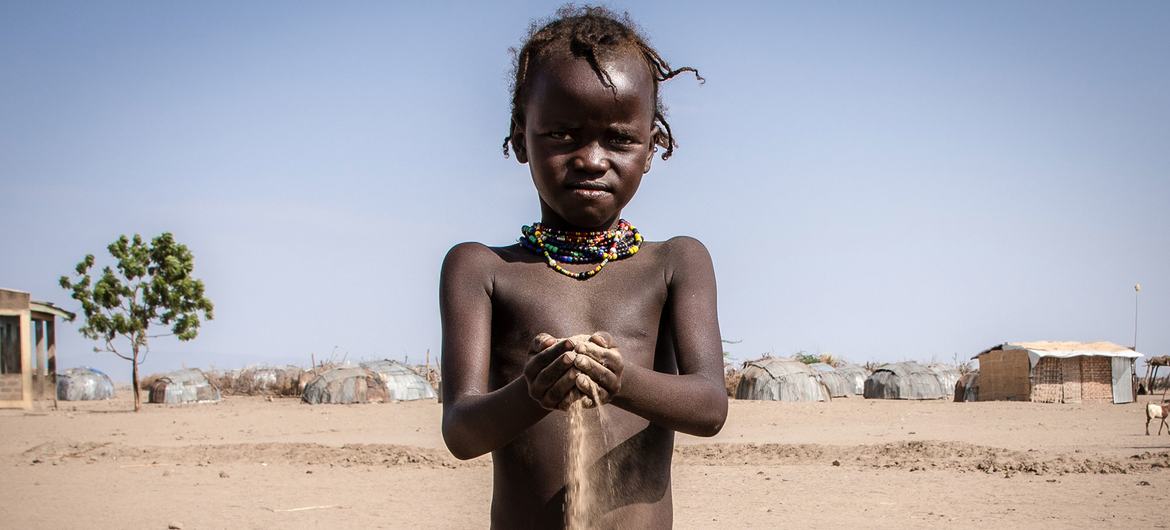
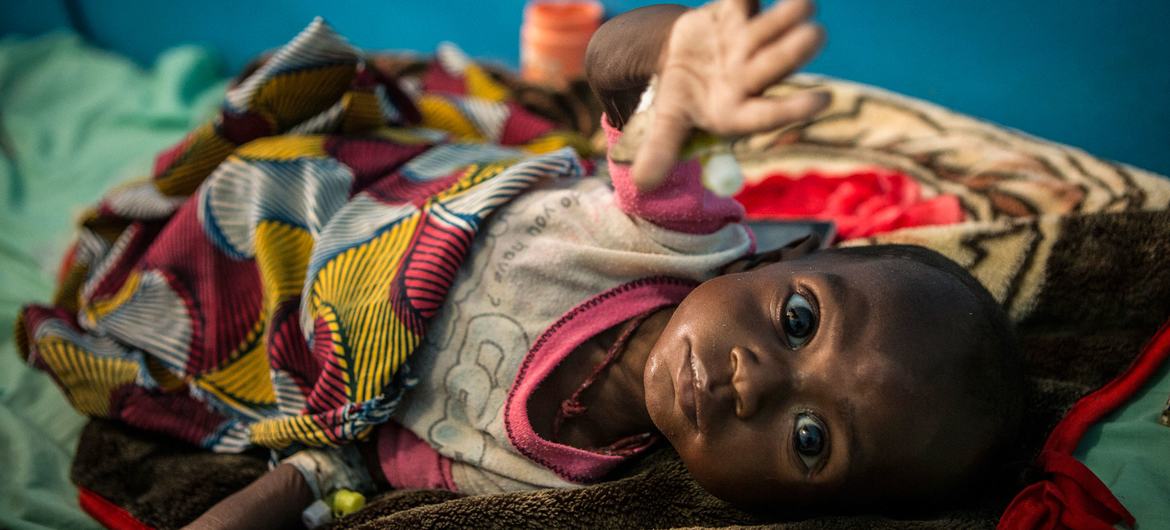
(UN News)* — A nexus of protracted armed conflict, internal displacement and limited humanitarian access threatens to plunge nearly one million children under the age of five into acute malnutrition by the end of this year – with at least 200,000 at risk of dying of hunger if life-saving aid fails to reach them, UN agencies said on Friday [].
This warning comes at a time when almost a quarter of Mali’s population is experiencing moderate or acute food insecurity, with over 2,500 individuals on the brink of famine in the crisis-affected Menaka region, including many vulnerable children.
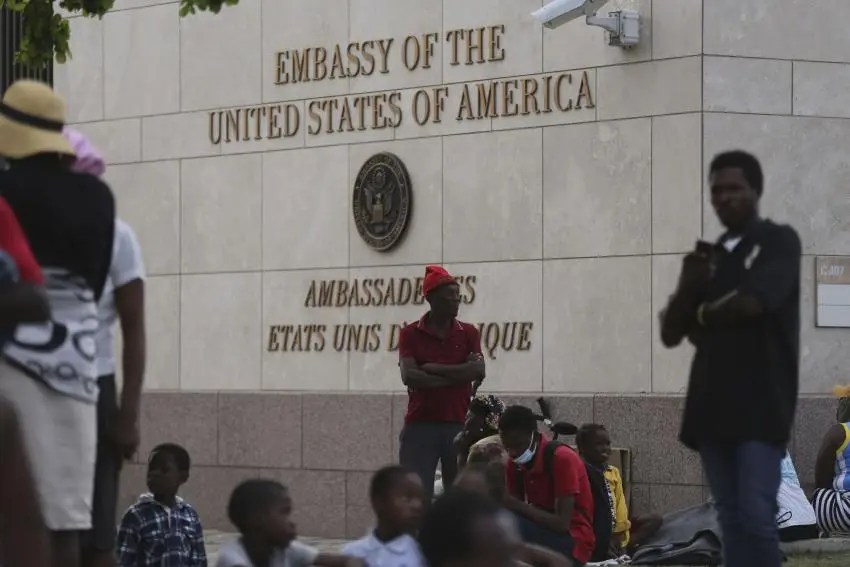
On August 30, the United States embassy in Port-au-Prince called on all US citizens to leave Haiti “as soon as possible” because of the worsening security situation in the country. The next day, US Immigration and Customs Enforcement loaded 57 Haitians on a plane and deported them to Haiti.




 HUMAN WRONGS WATCH