21/02/2021
20 February 2021 (UNEP)* — The COVID-19 pandemic is drawing young people around the world into the fight against climate change, as witnessed this week during the Youth Environment Assembly.
Photo: IISD/19 Feb 2021
The gathering, which is being held virtually, as part of the UN Environment Assembly, is the planet’s largest youth-led environmental event. It has zeroed in on climate change, which participants described as a dire threat to the planet.
read more »
Posted in Africa, Asia, Climate Crisis, Latin America & Caribbean, Market Lords, Middle East, Migrants and Refugees, Mother Earth, Others-USA-Europe-etc., The Peoples, War Lords |
Leave a Comment »
21/02/2021
US cold wave.png
More than 100 million people over 1.6 million km² were under winter storm warnings, according to the US National Weather Service. Some 73% of the Continental USA was covered in snow as of midnight February 16, the greatest extent on record in the database, which dates back to 2003.
Posted in Africa, Asia, Climate Crisis, Latin America & Caribbean, Market Lords, Middle East, Migrants and Refugees, Mother Earth, Others-USA-Europe-etc., The Peoples |
Leave a Comment »
21/02/2021
UNITED NATIONS, Feb 19 2021 (IPS)* – Yemen is heading towards the worst famine the world has seen in decades, the United Nations Security Council was warned in a briefing yesterday [18 February 2021].

Volunteers teach people living in settlements about COVID-19. This photo was taken in Sana’a, Yemen. At a Security Council briefing yesterday UN Under Secretary-General for Humanitarian Affairs and Emergency Relief Coordinator said people in Yemen are more worried about hunger than the COVID-19 pandemic. Credit: Dhia Al-Adimi/UNICEF
read more »
Posted in Africa, Asia, Market Lords, Middle East, Migrants and Refugees, Mother Earth, Others-USA-Europe-etc., The Peoples, War Lords |
Leave a Comment »
21/02/2021
A Call for Social Justice in the Digital Economy

Computer stations in the renovated Delegates’ Lounge at United Nations Headquarters. PHOTO:UN Photo/Mark Garten
20 February 2021 (United Nations)* — The digital economy is transforming the world of work. Over the past decade, expansion in broadband connectivity, cloud computing, and data have led to the proliferation of digital platforms, which have penetrated several sectors of the economy and societies.
Since early 2020, the consequences of the COVID-19 pandemic have led to remote working arrangements and allowed for the continuation of many business activities, further reinforcing the growth and impact of the digital economy.
read more »
Posted in Africa, Asia, Latin America & Caribbean, Market Lords, Middle East, Migrants and Refugees, Others-USA-Europe-etc., The Peoples, War Lords |
Leave a Comment »
20/02/2021
KINSHASA/DAKAR/GENEVA/NEW YORK (UNICEF)* — The lives and futures of more than 3 million displaced children are at risk in the Democratic Republic of the Congo (DRC) while the world is looking the other way, a report released by the UN children’s agency, UNICEF, on 19 February 2021 said.
In the east of the country, a succession of brutal attacks by fighters using machetes and heavy weapons have forced whole communities to flee with only the barest of possessions. Entire families — including children – have been hacked to death. Health centres and schools have been ransacked, and whole villages set ablaze.
read more »
Posted in Africa, Market Lords, Migrants and Refugees, Mother Earth, Others-USA-Europe-etc., The Peoples, War Lords |
Leave a Comment »
20/02/2021
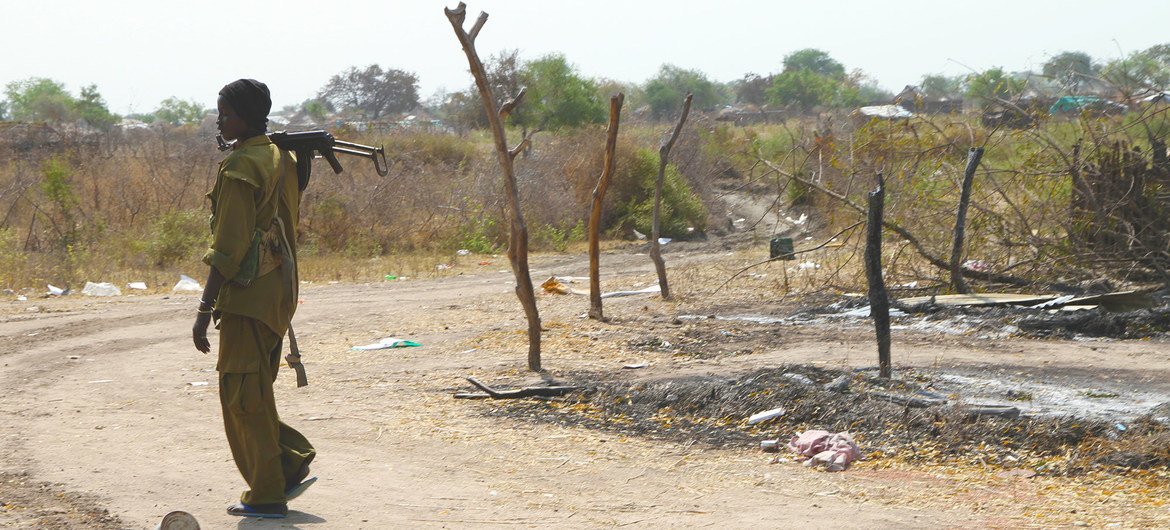
(UN News)* — Extreme violence and attacks involving thousands of fighters at a time have engulfed more than three-quarters of South Sudan, UN human Rights Council-appointed investigators said on Friday [19 February 2021], warning that the bloodshed faced by civilians are “the worst recorded” since the country’s civil war began in December 2013.
OCHA/Cecilia Attefors | An armed individual in the town of Pibor, in Jonglei state, South Sudan. Pibor has seen violent clashes and confrontations that have resulted in displacement as well as destruction of livelihood and property. (File)
Posted in Africa, Market Lords, Middle East, Migrants and Refugees, Others-USA-Europe-etc., The Peoples, War Lords |
Leave a Comment »
19/02/2021
19 February 2021 (UNESCO)* — The idea to celebrate International Mother Language Day was the initiative of Bangladesh. It was approved at the 1999 UNESCO General Conference and has been observed throughout the world since 2000.
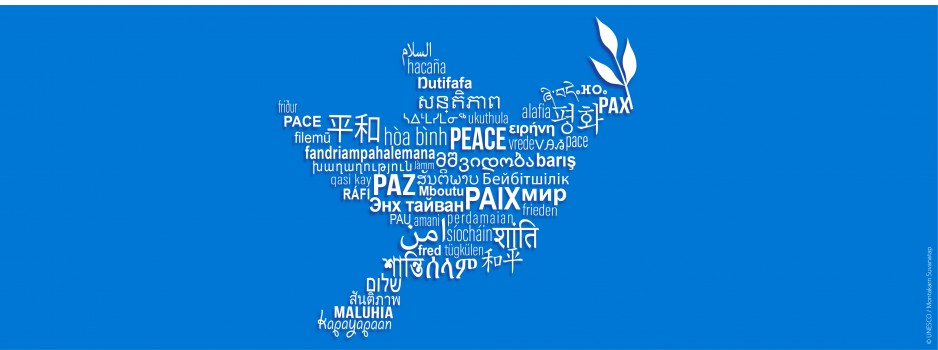
UNESCO believes in the importance of cultural and linguistic diversity for sustainable societies. It is within its mandate for peace that it works to preserve the differences in cultures and languages that foster tolerance and respect for others.
read more »
Posted in Africa, Asia, Latin America & Caribbean, Market Lords, Middle East, Migrants and Refugees, Others-USA-Europe-etc., The Peoples, War Lords |
Leave a Comment »
19/02/2021

Toddlers in Bangladesh are introduced to the alphabet. | PHOTO:© UNICEF/BANA2014-00573/Mawa
19 February 2021 (United Nations)* — International Mother Language Day recognizes that languages and multilingualism can advance inclusion, and the Sustainable Development Goals’ focus on leaving no one behind.
read more »
Posted in Africa, Asia, Latin America & Caribbean, Market Lords, Middle East, Migrants and Refugees, Others-USA-Europe-etc., The Peoples, War Lords |
Leave a Comment »
19/02/2021
(UN News)* — Without nature’s help, “we will not thrive or even survive”, the UN chief said on Thursday
[18 February 2021],
launching a major report on the environment.
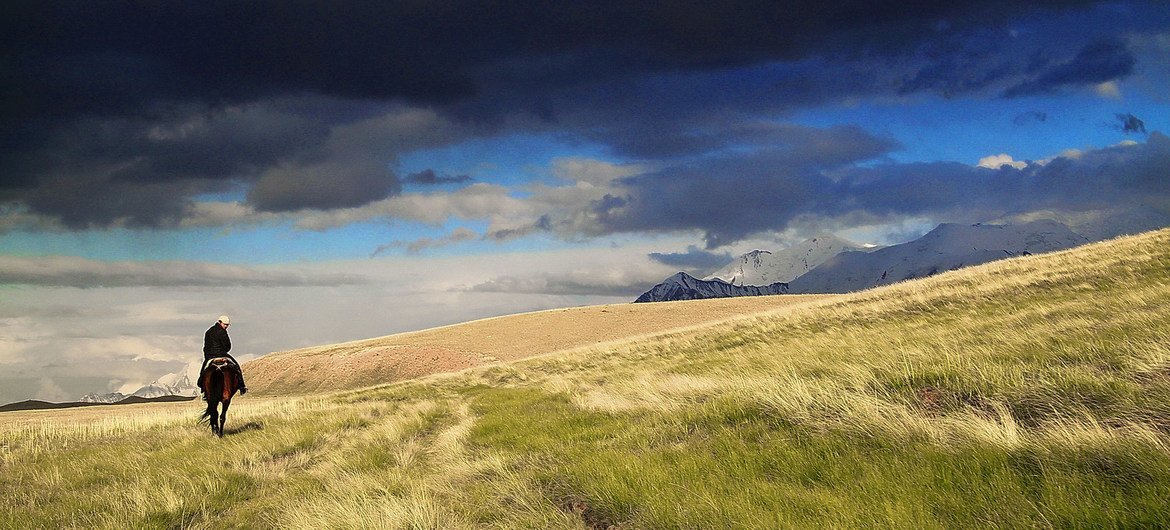
© UNESCO | A horse rider heads towards mountains in Kyrgyzstan.
Posted in Africa, Asia, Climate Crisis, Latin America & Caribbean, Market Lords, Middle East, Migrants and Refugees, Mother Earth, Others-USA-Europe-etc., The Peoples, War Lords |
1 Comment »


 HUMAN WRONGS WATCH