04/02/2021
The 2021-2030 initiative hopes to raise funding for ocean science and focus on the sustainable use of marine resources
UNITED NATIONS, Feb 4 2021 (IPS)* – The United Nations Secretary-General has urged nations to rise to the ‘defining challenge’ of restoring the ocean’s power to support humanity and regulate the climate.

read more »
Posted in Africa, Asia, Climate Crisis, Latin America & Caribbean, Market Lords, Middle East, Migrants and Refugees, Mother Earth, Others-USA-Europe-etc., The Peoples |
Leave a Comment »
04/02/2021
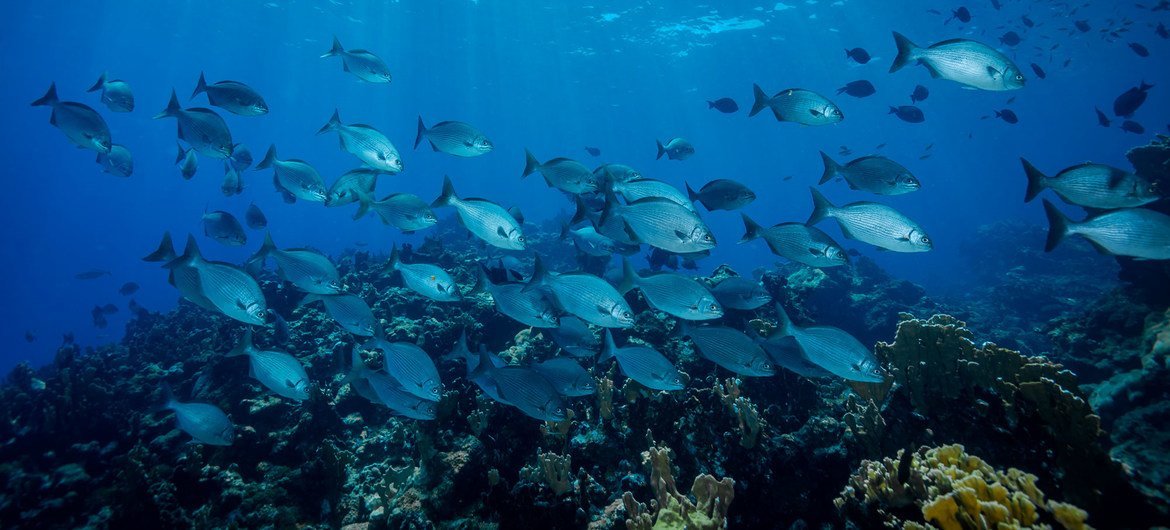
(UN News)* — January marked the beginning of what many within the UN and beyond view as “the most critical decade of our lives”, the UN Educational, Scientific and Cultural Organization (UNESCO) said on Wednesday [3 February 2021], launching a major initiative to protect the world’s oceans through the next ten years.
Coral Reef Image Bank/Philip Ham | A school of fish in Quintana Roo, on the Yucatán Peninsula’s Caribbean coast of Mexico.
Posted in Africa, Asia, Climate Crisis, Latin America & Caribbean, Market Lords, Middle East, Migrants and Refugees, Mother Earth, Others-USA-Europe-etc., The Peoples |
Leave a Comment »
04/02/2021
ROME, 2 February 2021 (FAO)* — Global fisheries and aquaculture have been hard hit by the COVID-19 pandemic and could face further disruption in 2021 as lockdowns affect supply and demand across the sector, according to a report by the Food and Agriculture Organization of the United Nations (FAO).

Fisheries and aquaculture have been hard hit by the impact of COVID-19 pandemic.
Posted in Africa, Asia, Climate Crisis, Latin America & Caribbean, Market Lords, Middle East, Migrants and Refugees, Mother Earth, Others-USA-Europe-etc., The Peoples |
Leave a Comment »
04/02/2021
ROME, 4 February 2021 (FAO)* — Global food prices rose in January for the eighth consecutive month, led by cereals, vegetable oils and sugar, according to the Food and Agriculture Organization of the United Nations (FAO).

A cow feeds in Armenia.
FAO’s Food Price Index, which tracks monthly changes in the international prices of commonly-traded food commodities and was released today [4 February 2021], averaged 113.3 points in January, marking a 4.3 percent increase from December 2020 and reaching its highest level since July 2014.
read more »
Posted in Africa, Asia, Climate Crisis, Latin America & Caribbean, Market Lords, Middle East, Migrants and Refugees, Mother Earth, Others-USA-Europe-etc., The Peoples |
Leave a Comment »
04/02/2021
London, 3 February, 2021 (UNEP)* –
– Food System Impacts on Biodiversity Loss, the new Chatham House report, supported by the UN Environment Programme (UNEP) and Compassion in World Farming, describes three actions needed for food system transformation in support of biodiversity, and sets out recommendations to embed food system reform in high level political events over the coming UN ‘Super Year’ for Nature.

Our global food system is the primary driver of biodiversity loss, with agriculture alone being the identified threat to 24,000 of the 28,000 (86%) species at risk of extinction. The global rate of species extinction today is higher than the average rate over the past 10 million years.
In the last decades our food systems have been following the “cheaper food paradigm”, with a goal of producing more food at lower costs through increasing inputs such as fertilizers, pesticides, energy, land and water.
read more »
Posted in Africa, Asia, Climate Crisis, Latin America & Caribbean, Market Lords, Middle East, Migrants and Refugees, Mother Earth, Others-USA-Europe-etc., The Peoples |
Leave a Comment »
04/02/2021
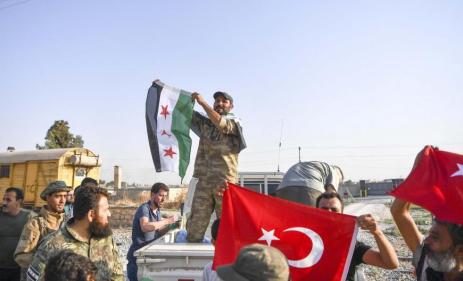
Beirut, 3 February 2021 – Turkey and the Syrian National Army have arrested and illegally transferred at least 63 Syrian nationals from northeast Syria to Turkey to face trial on serious charges that could lead to life in prison, Human Rights Watch said today.
read more »
Posted in Asia, Market Lords, Middle East, Migrants and Refugees, Mother Earth, Others-USA-Europe-etc., The Peoples, War Lords |
Leave a Comment »
03/02/2021
KUALA LUMPUR, Malaysia, Feb 3 2021 (IPS)* – Access to COVID-19 vaccines for many developing countries and most of their people will have to wait as the powerful and better off secure earlier access regardless of need or urgency. More profits, by manufacturing scarcity, will surely cause even more loss of both lives and livelihoods.
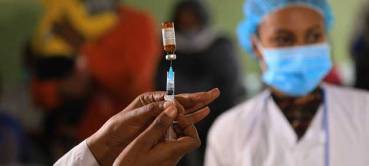
Credit: UNICEF/Nahom Tesfaye
Good intentions not enough
To induce private efforts to develop and distribute vaccines, the WHO initiated COVAX to ensure more equitable access to COVID-19 vaccines. However, interest by vaccine companies has been limited, while some governments – especially from better-off upper middle-income countries – pursue other options.
COVAX has been co-led with GAVI, the Vaccine Alliance, and the Coalition for Epidemic Preparedness Innovations (CEPI). Buoyed by their earlier success with advance market commitments (AMC), they have extended the same approach in very different circumstances.
read more »
Posted in Africa, Asia, Latin America & Caribbean, Market Lords, Middle East, Migrants and Refugees, Mother Earth, Others-USA-Europe-etc., The Peoples, War Lords |
Leave a Comment »
03/02/2021
The International Organization for Migration Helps Prevent the Spread of COVID-19 among Brazilian Indigenous and Riverside Communities
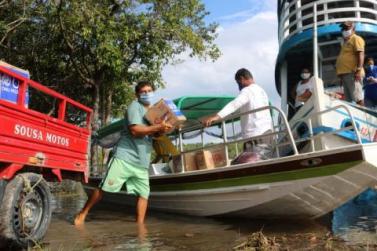
Indigenous and riverside communities in northern Brazil are receiving hygiene and cleaning kits to help them prevent COVID-19. Photo: IOM/Daniel Boechat
Brasília (IOM)* – Indigenous, rural, and riverside communities in northern Brazil comprise the most vulnerable populations to the spread of COVID-19. Due to economic and transportation restrictions in place across such communities, locals’ access to health, hygiene and cleaning products is limited, making it difficult to prevent the spread of the new coronavirus.
read more »
Posted in Latin America & Caribbean, Market Lords, Migrants and Refugees, Mother Earth, Others-USA-Europe-etc., The Peoples, War Lords |
Leave a Comment »
03/02/2021
Poor and vulnerable communities across the world, including the forcibly displaced, struggle with the pandemic’s far-reaching consequences.
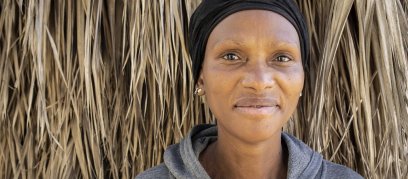
Regina lost her job as a physical therapist in Pretoria, South Africa, in the pandemic and now relies on food parcels from the Somali business community to feed her family.
© UNHCR/Helene Caux
3 February 2021 (UNHCR)* — In a data visualization project entitled ‘Livelihoods, food and futures: COVID-19 and the displaced,’ UNHCR, the UN Refugee Agency, collated statistics from numerous sources to shed more light on the effects of the pandemic on poor and vulnerable people, including refugees.
read more »
Posted in Africa, Asia, Climate Crisis, Latin America & Caribbean, Market Lords, Middle East, Migrants and Refugees, Others-USA-Europe-etc., The Peoples, War Lords |
Leave a Comment »
03/02/2021
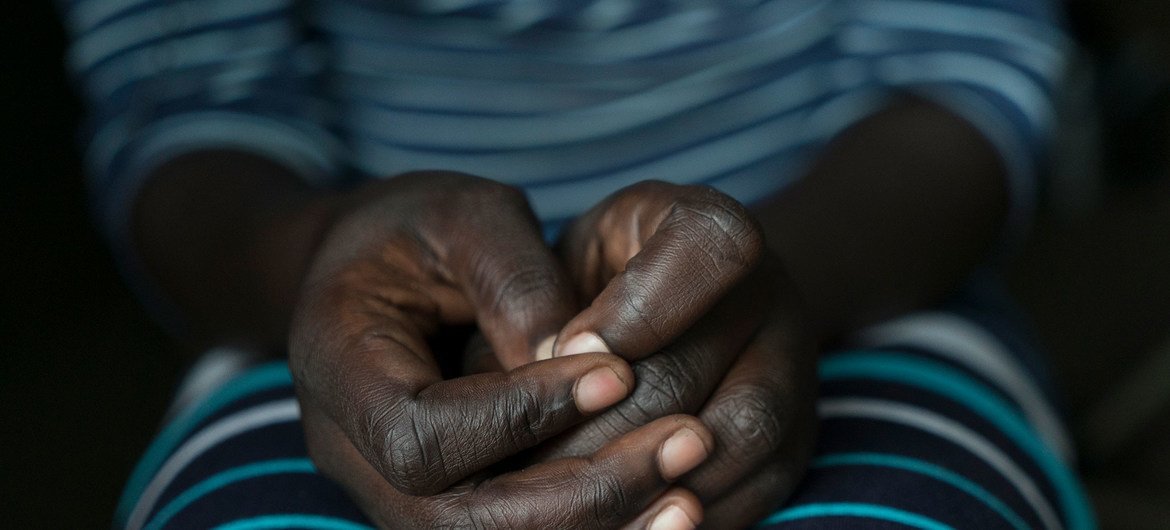
(UN News)* — Although almost 50,000 victims of human trafficking were detected and reported in 2018 by 148 countries, the “hidden nature” of the crime means that the actual number of victims could be “far higher”, the UN Office on Drugs and Crime (UNODC) said on Tuesday [2 February 2021].
UNICEF/Michele Sibiloni | The COVID-19 pandemic has created conditions making it easier for vulnerable people to become victims of sexual exploitation and trafficking.
.
Migrants and people without jobs were among the groups most targeted by human traffickers, UNODC added, warning that the economic fallout and job losses due to the coronavirus pandemic have exposed millions more to the risk.
Posted in Africa, Asia, Climate Crisis, Latin America & Caribbean, Market Lords, Middle East, Migrants and Refugees, Mother Earth, Others-USA-Europe-etc., The Peoples, War Lords |
Leave a Comment »
 HUMAN WRONGS WATCH