Land degradation and drought are fueling a hidden health crisis – but we still have time to act. When we speak of desertification or drought, we often think of dry rivers, cracked soil and failed harvests.
But there is another, less visible toll – one that strikes deep into the lungs, hearts and daily lives of the world’s most vulnerable people.
A new policy brief from the UNCCD reveals the far-reaching health impacts of land degradation and drought — and it delivers a stark message: the health of the planet and the health of people are inseparable.
Around the world, land is deteriorating at an alarming pace.
Between 2015 and 2019, more than 100 million hectares of productive land were lost each year. That’s an area roughly the size of Egypt — gone annually.
KUALA LUMPUR, Malaysia, Aug 12 2025 (IPS)* –– The accumulation of still growing greenhouse gas emissions (GHG) in an increasingly unequal world is accelerating planetary heating. It is also worsening disparities, especially between the rich and others, both nationally and internationally.
Jomo Kwame Sundaram
Unequal emissions In our grossly unequal world, international disparities account for two-thirds of overall income inequalities.
National income aggregates and averages can mislead by obscuring significant disparities within countries.
Meanwhile, GHG emissions continue to grow as their accumulation accelerates planetary heating.
Emissions disparities within nations now account for almost two-thirds of worldwide emissions inequality, nearly doubling from slightly over a third in 1990.
The bottom halves of rich country populations are already at – or close to – the 2030 per capita carbon dioxide equivalent emission targets set by their governments. Yet North America’s wealthiest 10% or decile are the world’s biggest GHG emitters.
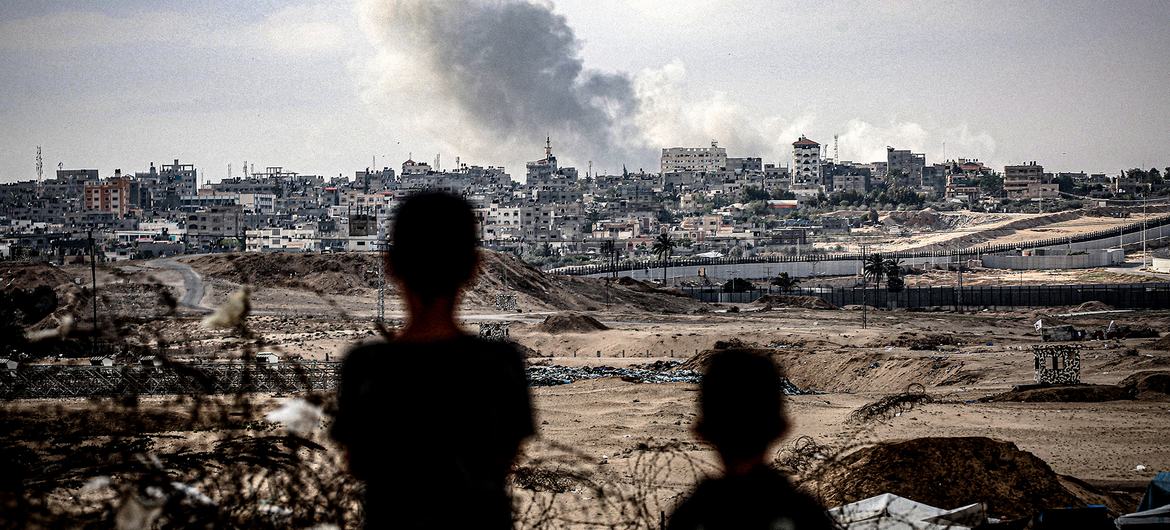
The sheer, unrelenting horror unfolding in Gaza is not unique in its scale of human suffering. Sudan has endured catastrophic famine for over a year, reaching the same “fifth stage of starvation” Gaza now tragically enters.
Every second of august, under the GENOCOST celebration , the Congolese community and its allies around the world come together to honor the memory of the victims of the Congolese genocide.
(UN News)* — UN Secretary-General António Guterres has condemned the killing of six Palestinian journalists in Gaza this past weekend, his Spokesman said on Monday [].
The reporters – five of whom worked for the Al Jazeera media network – were killed in a targeted Israeli strike in Gaza City the previous day.
“These latest killings highlight the extreme risks journalists continue to face when covering the ongoing war,” UN Spokesperson Stéphane Dujarric said during his regular media briefing from New York.
“The Secretary-General calls for an independent and impartial investigation into these latest killings.”
UNITED NATIONS, Aug 7 2025 (IPS)* –– The humanitarian situation in Haiti has deteriorated significantly in the past few weeks, with the United Nations (UN) underscoring a growing list of abuses committed by armed groups, including killings, kidnappings, and sexual violence.
Christiana, a mother of six, fled repeated waves of armed violence, first from her home in Morne Blanc, where her husband was killed in 2024, then from Mirebalais in March 2025, seeking safety in Boucan Carré. Credit: UNICEF/Herold Joseph
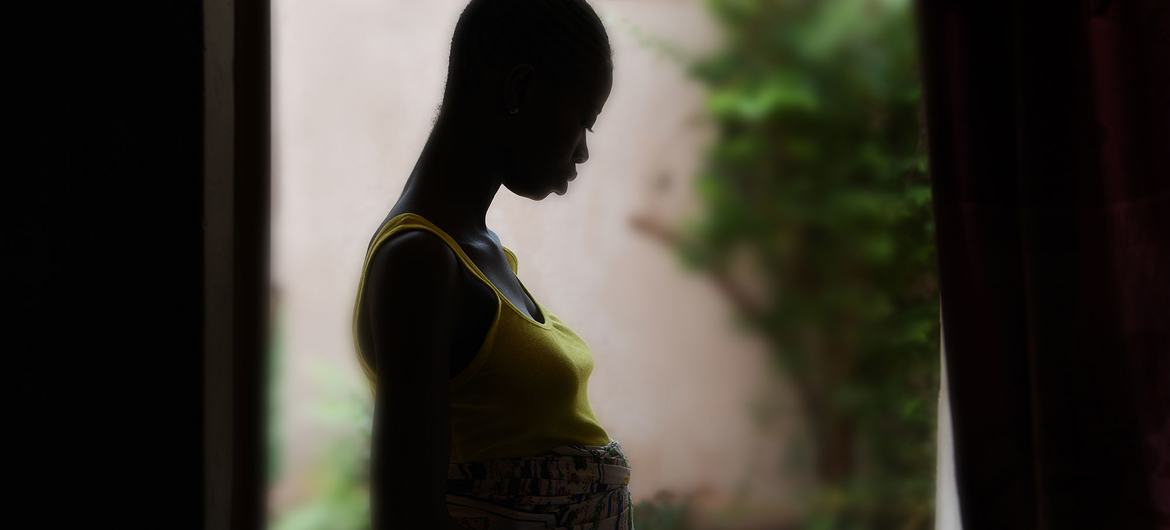
(UN News)* — In Africa’s Sahel region, deepening violence and poverty – driven by displacement, hunger and terrorism – are stripping women and girls of their right to safety, education and a viable future.
Risks to women and girls across this vast region are severe and systemic, as political instability, environmental collapse and a declining international presence take their toll.
.
From abductions and child marriage to exclusion from schools and public life, their lives and opportunities are being steadily stripped away, Sima Bahous, Executive Director of UN Women, told ambassadors in the Security Council on Thursday [].
“In the Sahel, where the world’s gravest concerns converge, women and girls bear the brunt,” she said.
Paulo Benedito built his life around the sea. Born and raised in Quissanga, a small coastal town in northern Mozambique’s Cabo Delgado province, Paulo came from a long line of fishermen.
The ocean was more than a livelihood—it was a way of life passed down through generations.
Each morning, he would set out before sunrise in his wooden boat, returning hours later with enough fish to feed his family—and, if the catch was good, to sell at the market.
Without urgent donations, 1.3 million people risk losing food assistance.
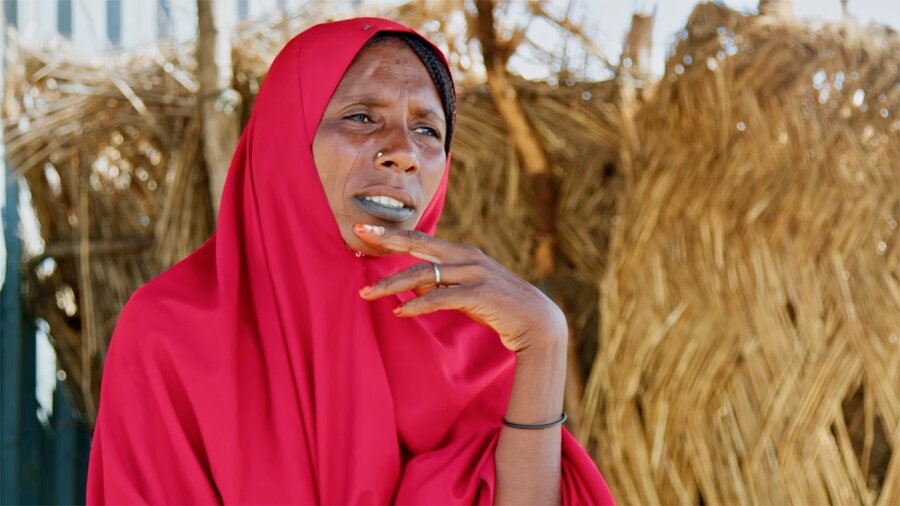
Displaced by conflict in northeastern Nigeria, Iya and her large family barely survive with WFP support. Now, that assistance may dry up altogether. Photo: WFP/Arete/Nommiyid Chantu
On the good days, Iya and her husband are barely able to feed their large family. On the bad ones, their seven children go to bed hungry in the small mud-brick hut they call home.
In northeastern Nigeria’s Mafa displacement camp, where the family lives, August is shaping into a month of many bad days.
“The support we get isn’t enough,” says 45-year-old Iya of the World Food Programme (WFP) food assistance. As a conflict-displaced person, her last name is being withheld for her protection. “As a parent, it’s never enough.”
N’Djamena, Chad, 8 August 2025 – In a country where legal frameworks are still taking root and taboos around human trafficking and exploitation run deep, Julienne Deyo stands as a determined force. A lawyer by training and justice advocate by conviction, she has been at the frontlines of the Chad’s fight against human trafficking since 2018.
Now Chair of the National Commission to Combat Trafficking in Persons and Director of Legal Affairs at the Ministry of Justice and Human Rights, Madame Deyo leads with both a steady resolve and a heart marked by the suffering she’s witnessed.
“It started with the stories of young boys,” she recalls. “Children sold off to cattle herders, sent into the bush, far from their families, walking behind herds. Some were bitten by snakes and died alone. No one seemed to care. How can anyone stay unmoved?”
Madame Deyo’s focus is as much on the survivors as it is on building a foundation that prevents such abuse from happening again. Illustration: AI-generated image
GENEVA – Uganda is on the verge of hosting two million refugees as escalating crises in Sudan, South Sudan and the Democratic Republic of the Congo (DRC) drive hundreds of people to cross the border daily in search of safety and lifesaving aid.
Since the start of 2025, an average of 600 people per day have arrived in the country, with numbers expected to reach two million by year’s end.
Already Africa’s largest refugee-hosting country and the third largest globally, Uganda is currently home to 1.93 million refugees, over a million of whom are below the age of 18.






 HUMAN WRONGS WATCH