PORTLAND, USA, Jul 16 2025 (IPS)* –To be, or not to be, an undocumented migrant, that is the question for millions of men, women and children in many less developed countries.
The chance of dying during the first year of life in the least developed countries is ten times higher than in the more developed countries. Credit: Franz Chávez/IPS
“Whether ‘tis nobler in the mind to suffer the slings and arrows of outrageous fortune, or to take arms against a sea of troubles and by opposing end them” for a better life as an undocumented migrant in a foreign land.
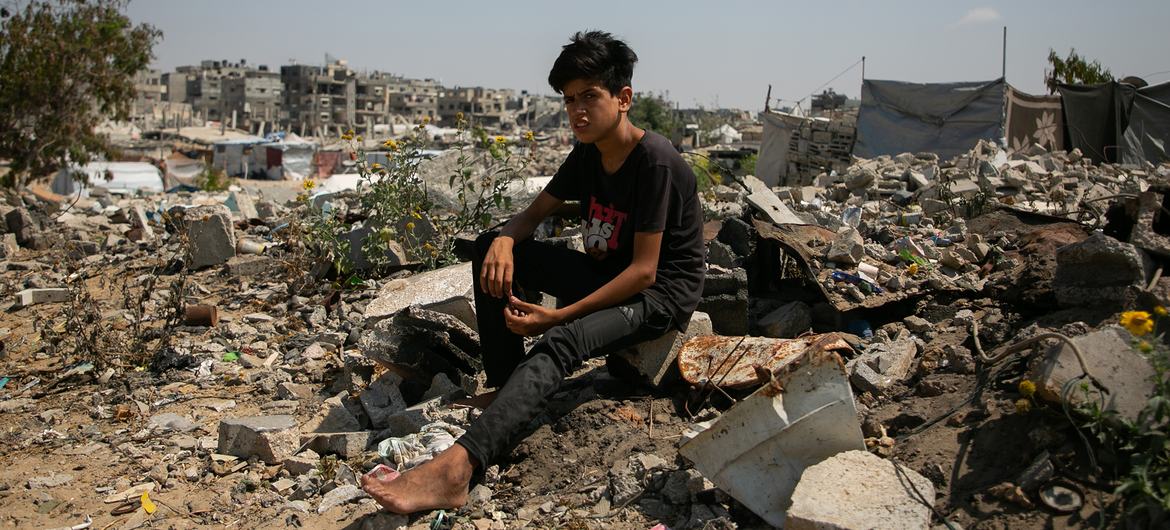
(UN News)* —The continued onslaught and mass deprivation of people in the Gaza Strip is becoming normalised, the UN aid coordination office OCHA warned on Friday .
“Every day brings more preventable deaths, displacement and desperation,” the agency said in a humanitarian update.
On Friday, Israeli authorities issued another displacement order, this time for parts of North Gaza.
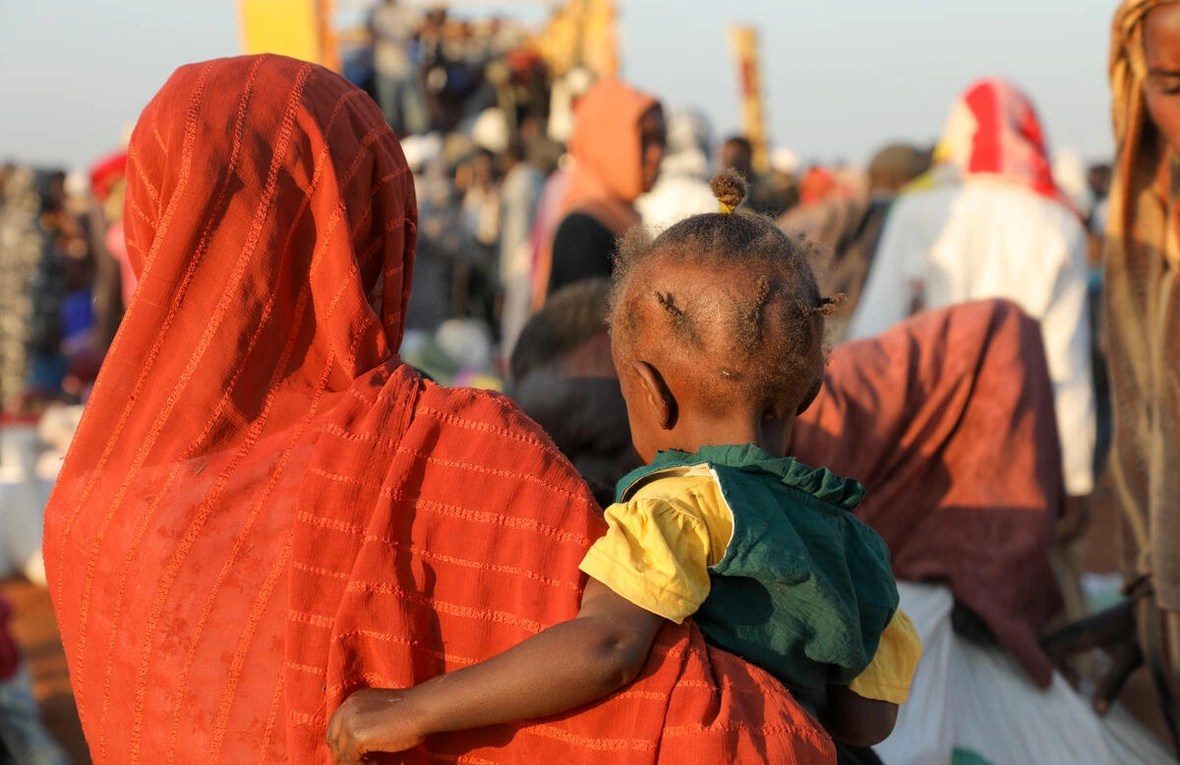
GENEVA –Following major cuts to humanitarian budgets, up to 11.6 million refugees and others forced to flee risk losing access this year to direct humanitarian assistance from UNHCR, the UN Refugee Agency, according to a report published on 18 July 2025.
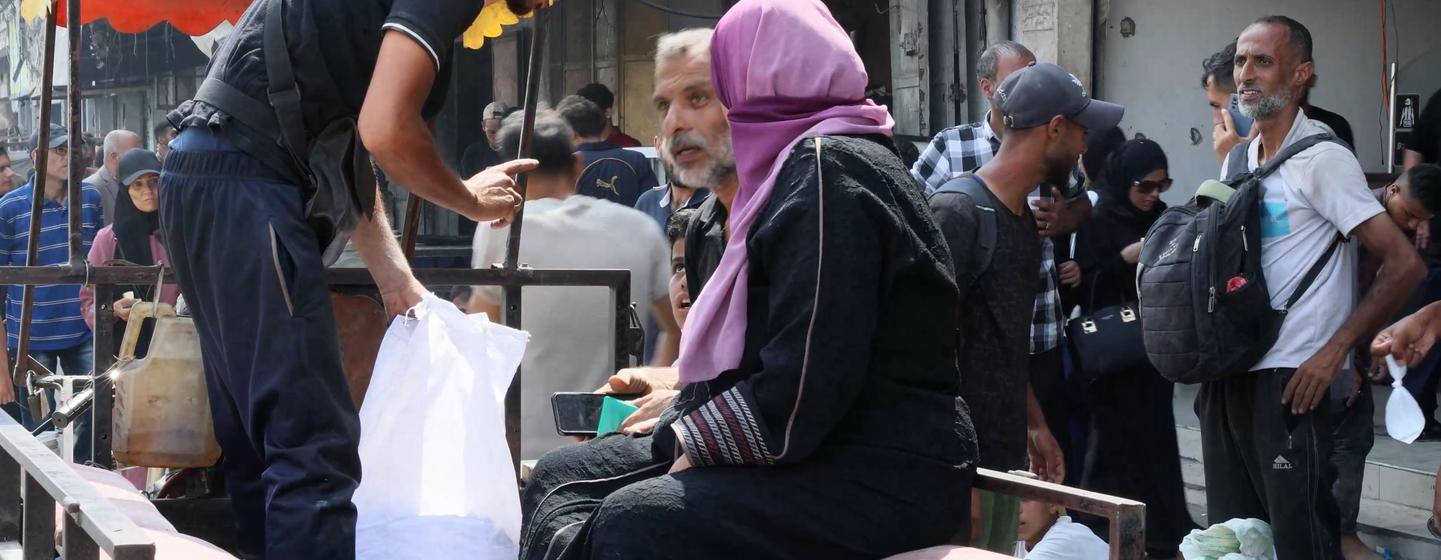
(UN News)* —Mohammed Saad sits with others inside a homemade cart pulled by a car carrying several passengers, waiting to travel to Gaza City in one of the “uncomfortable and extremely expensive” means of transportation used to get around the Strip.
UN News | Umm Haytham Al-Kulak sits in a three-wheeled motorcycle trailer on her way back to her family.
Moving around Gaza has become ever more difficult amid the ongoing 21-month-long war.
Mr. Saad, who was displaced from the town of Beit Lahia in the northern Gaza Strip, was waiting for the vehicle pulling the cart he was sitting in to move.
15 July 2025 — In response to the EU’s foreign affairs ministers meeting to discuss the list of options for political action against Israel, Bushra Khalidi, Oxfam’s Policy Lead in the Occupied Palestinian Territory and Gaza, said:
A father plays with his 3-year-daughter in the middle of his tent in Rafah which he took refuge after losing his house and factory. (Photo: Alef Multimedia/Oxfam)
“Every day that passes without real action means more death and destruction. Yet, once again, Europe is kicking the can down the road.
“The recent aid deal may have been a step, but, in reality, it is mere breadcrumbs. Aid alone cannot stop this catastrophe.
KUALA LUMPUR, Malaysia, Jul 15 2025 (IPS)* – Trump’s billionaire cronies want more monopoly profits, not competition. With more policies crafted for them, wealth concentration is set to become greater than ever.
Jomo Kwame Sundaram
Neoliberalism? There is no clear consensus on what neoliberal economics stands for now. Many who claim to be liberal economists have different, even contradictory views.
Some demand market competition and oppose monopolies and oligopolies. For others, property rights are crucial, typically strengthening monopoly rights.
Many avowed neoliberals deemphasise competition and hesitate to insist on antitrust action or opposition to abuses of market power.
Property rights confer monopoly or exclusive ownership rights to an asset, typically denying access to others except for payment. Many such rights are recent.
“These figures represent a continuing and massive transfer of wealth from taxpayers to fund war and weapons manufacturing,” said the project’s director.
.
.
8 Jul 2025 – Less than a week after U.S. President Donald Trump signed a budget package that pushes annual military spending past $1 trillion, researchers today published a report detailing how much major Pentagon contractors have raked in since 2020.
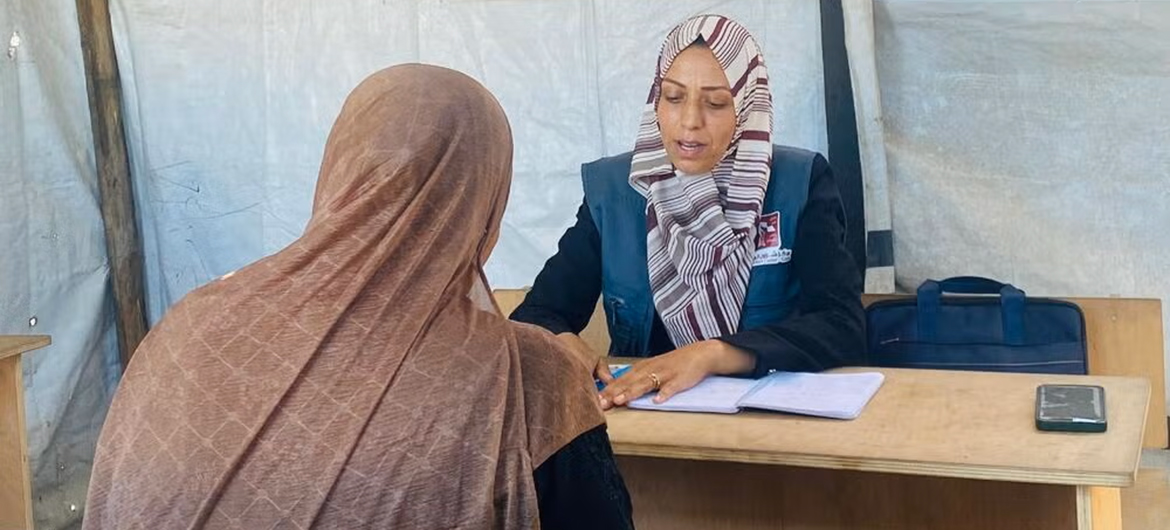
(UN News)* — In Gaza, illness, poverty, mass displacement and depleted services are leading to soaring stress levels and causing an increase in domestic violence, sexual exploitation and abuse, according to the UN sexual and reproductive health agency (UNFPA).
In the past three months, a third of Gaza’s population (714,000 people) have been forced to move once again, separating families and dismantling local support systems.
Women and girls are bearing a heavy burden, fearing for their lives on the streets – at delivery points, and in overcrowded, makeshift shelters that lack privacy and security – as many sleep in the open.
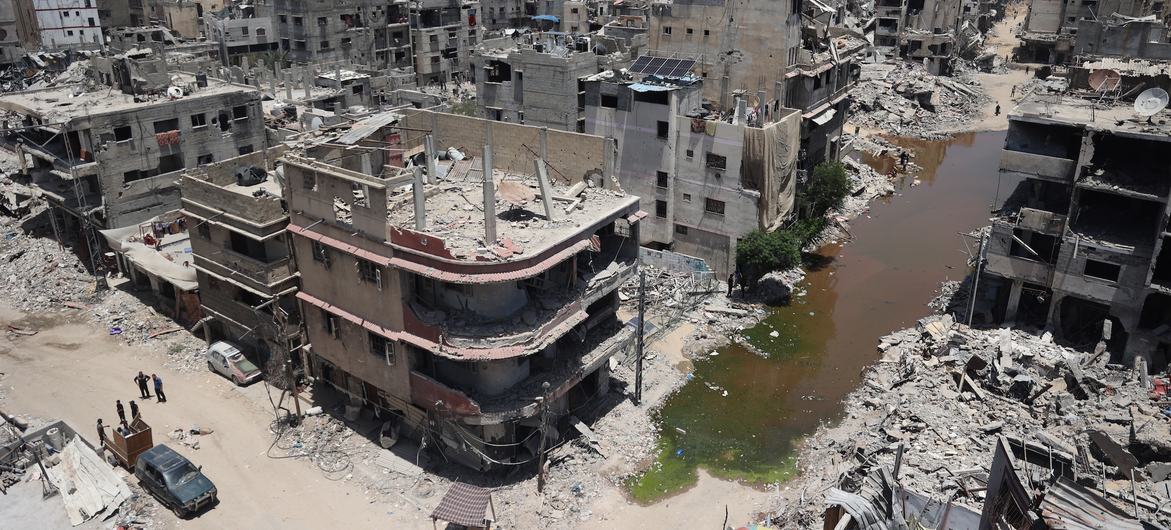
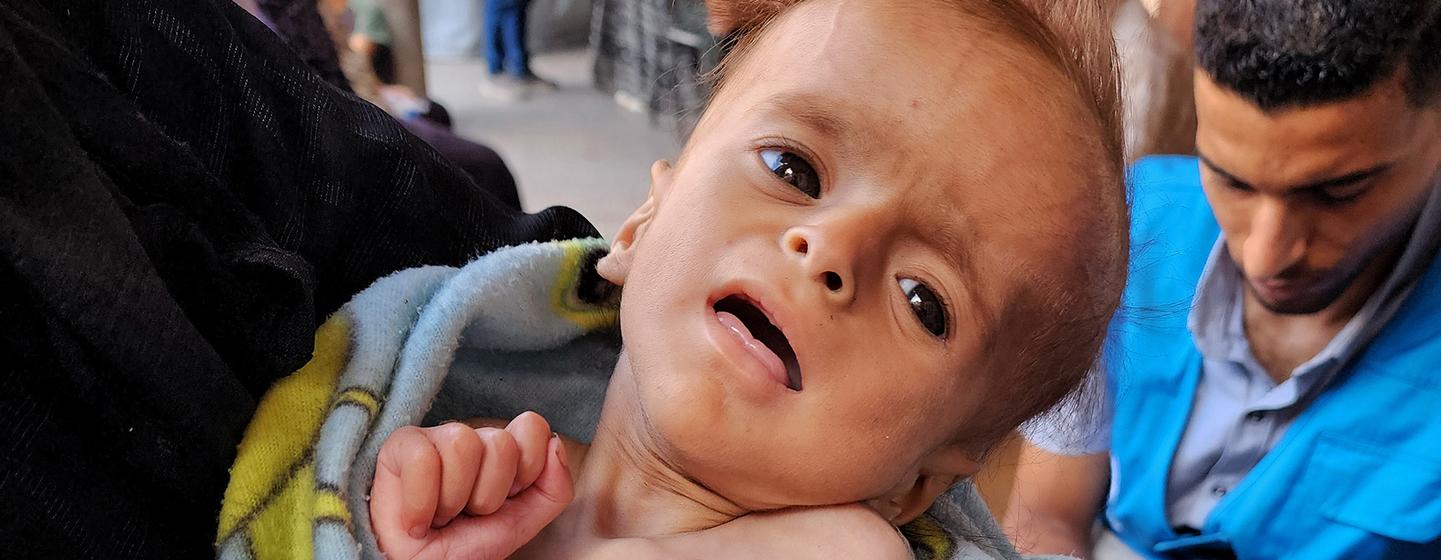
(UN News)* — Conditions in Gaza have reached an unspeakable level of devastation with children paying the highest price, top UN officials told the Security Council on Wednesday [], warning of soaring child deaths, starvation and a shattered health system amid continuing bombardment and displacement.
(UN News)* — The ongoing 21-month-long war in Gaza has seen more than 58,000 killed and 100,000 wounded as Israeli attacks continue amid rising numbers of child deaths from malnutrition.
In recent weeks, UN agencies have recorded nearly 900 deaths of desperate and hungry Gazans as they try to collect food – with most linked to private aid hubs run by the so-called Gaza Humanitarian Foundation (GHF).



 HUMAN WRONGS WATCH