Human Wrongs Watch
(UN News)* — Hate speech is a warning sign and a driver of violence, UN Secretary-General António Guterres said ahead of the 18 June 2025 International Day for Countering Hate Speech.
.

read more »
'Unseen' News and Views
(UN News)* — Gaza’s health system is at breaking point, overwhelmed time and again by scores of people killed or injured near aid distribution sites, the UN World Health Organization (WHO) said on Tuesday .
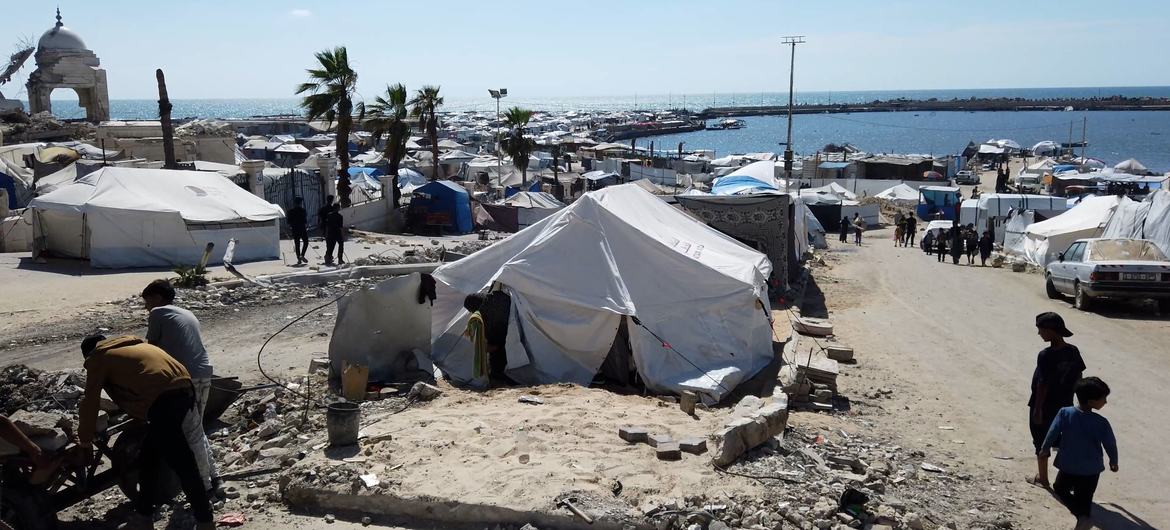
Up to 40% of all land area worldwide already considered degraded.
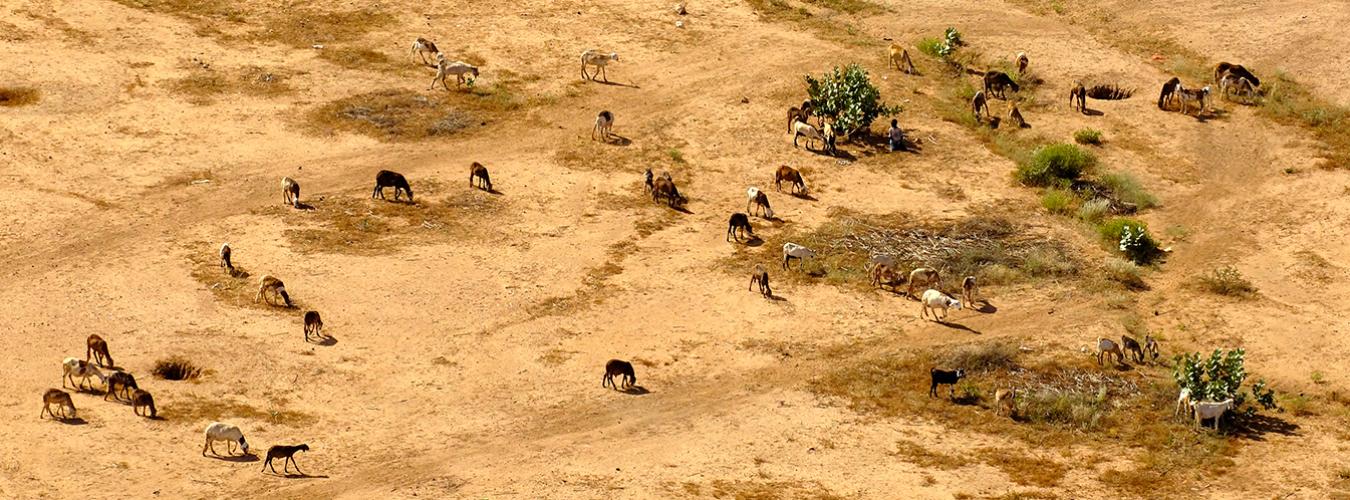 A young boy herds his families cattle in the dry and desolate lanscape of the city of Tawaila in Northern Darfur. UN Photo/Fred Noy.
(UN Humanitarian Affairs (UNOCHA)* — North-east Nigeria is facing its worst malnutrition crisis in five years. More than 1 million children under age 5 across Borno, Adamawa and Yobe states are at risk of severe acute malnutrition – that’s twice as many children as last year and the highest number on record.

For families who already endured years of conflict and displacement, hunger is a new and urgent threat.
“We’ve been here since 2016,” said Falmata Idris, 53, who lives in a makeshift shelter in the Sangaya camp for internally displaced people in Dikwa, Borno State, with her 12-year-old granddaughter, Aisha.
– Wars, economic shocks, planetary heating and aid cuts have worsened food crises in recent years, with almost 300 million people now threatened by starvation.

Jomo Kwame Sundaram
Why hunger?
World food production has increased almost four fold since 1960.
FAO statistics indicate enough output to feed the world’s eight billion plus another three billion!
Clearly, inadequate food due to population growth cannot explain persistent hunger. Yet, the number of hungry people has been rising for more than a decade.
So, why are so many hungry if there is more than enough food for all?
The multi-stakeholder 2025 Global Report on Food Crises (GRFC) notes 2024 was the sixth consecutive year of high and growing acute food insecurity, with 295.3 million people starving!
In 2023, 733 million people experienced chronic hunger. Over a fifth (22.6%) of the 53 countries/territories assessed in this year’s GRFC were especially vulnerable.
Military and Armed Group Abuses in Myanmar; Humanitarian Crisis in Bangladesh

Dawood is 19 years old and living in a crowded Rohingya refugee settlement in Bangladesh. He says his life is shattered.
In February 2024, the Myanmar military conscripted Dawood and other Rohingya men and boys to fight the Arakan Army, an ethnic armed group, in Rakhine State. They received little or no training, and dozens were killed or injured.

Credit: Kevin Lamarque/Reuters via Gallo Images
This agreement marked the evolution of Bukele’s authoritarian model from a domestic experiment to an exportable commodity for strongmen worldwide.
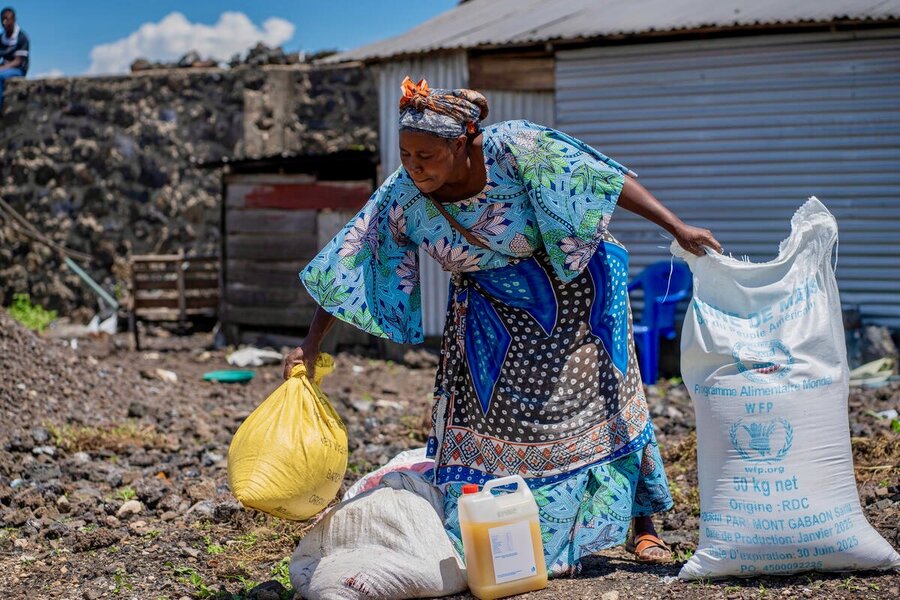
A woman collects WFP food assistance in Goma, where a precarious calm reigns after fighting earlier this year. Photo: WFP/Benjamin Anguandia
ROME, – A new joint UN report warns that people in five hunger hotspots around the world face extreme hunger and risk of starvation and death in the coming months unless there is urgent humanitarian action and a coordinated international effort to de-escalate conflict, stem displacement, and mount an urgent full-scale aid response.
(Ottawa) – G7 leaders should commit to taking concrete actions to halt Israeli atrocities in the Occupied Palestinian Territory at their upcoming summit, Human Rights Watch on 13 June 2025 said in a letter to G7 leaders.

Leaders of the G7 will be gathering in Kananaskis, Alberta from June 15-17, 2025, for the Leaders’ Summit hosted by Canada.
The summit takes place in the context of ongoing hostilities and Israel’s unlawful blockade of Gaza, where the world’s foremost experts on food security warn that there’s a high risk of imminent famine for the entire civilian population.

 HUMAN WRONGS WATCH