ABUJA, Jan 29 2025 (IPS)* –In June 2024, 26-year-old Zainab Abdul noticed her two-year-old daughter growing pale, losing weight, and battling diarrhea. She wasn’t surprised.
Children beg for food in Gusau, the capital of Zamfara, Nigeria. Credit: Promise Eze/IPS
Since jihadist-linked bandits had forced them out of their village in Kadadaba, Zamfara State, in northwestern Nigeria, her family had been living in a refugee camp with limited access to food.
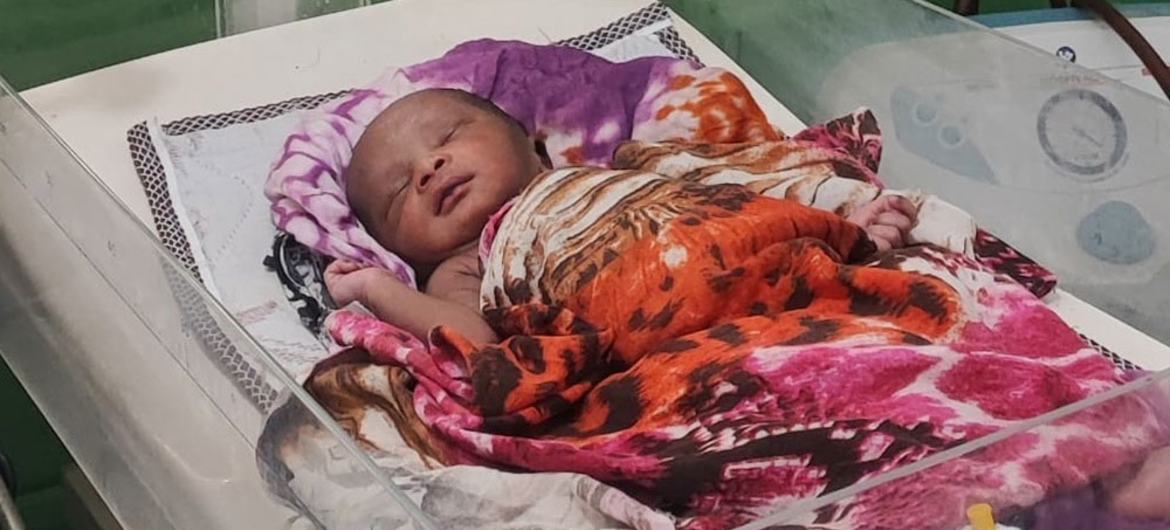
(Jerusalem, January 28, 2025) – The Israeli government’s blockade of Gaza and attacks on healthcare facilities have created serious and sometimes life-threatening danger for women and girls during and after pregnancy and delivery since hostilities began in October 2023, Human Rights Watch said in a report released on 28 January 2025.
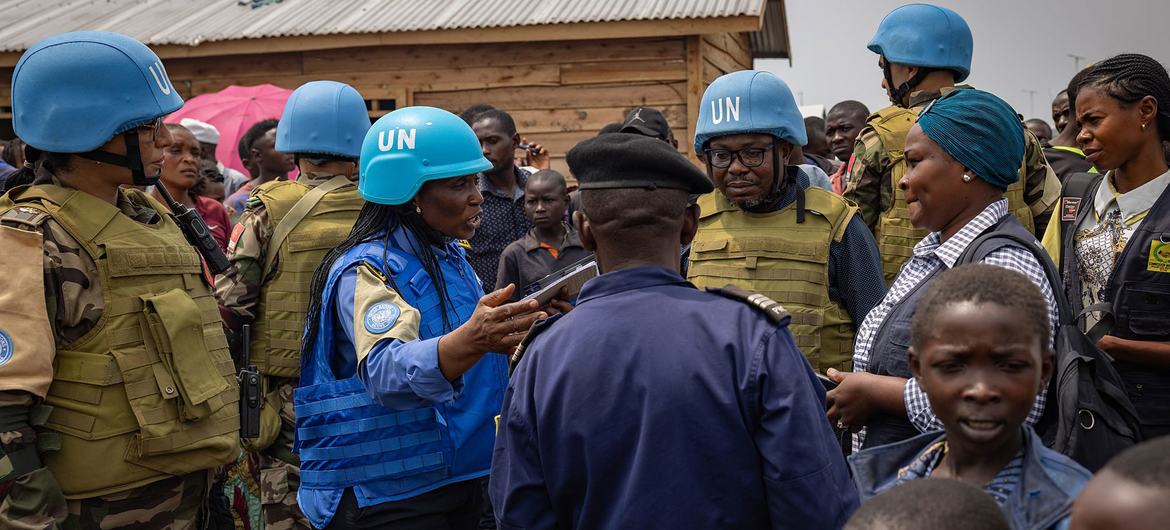
(UN News)* — The latest reports from Goma in eastern Democratic Republic of the Congo (DRC) from UN teams on the ground indicate a fast-deteriorating situation on Tuesday [] amid an ongoing assault by M23 rebels on the provincial capital.
Dead bodies lie in the streets, hospitals are overwhelmed and there has been an uptick in reports of sexual violence, rape and looting.
“Roads are blocked, ports are closed and those crossing Lake Kivu risk their lives in makeshift boats,” said Shelley Thakral, spokesperson for the UN World Food Programme (WFP) – one of many UN agencies on the ground striving to provide assistance and protection wherever possible.
(UN News)* — At least one girl and three boys were killed, and three boys injured, during an attack on the Saudi Hospital in the besieged Sudanese city of El Fasher, North Darfur, on Friday.
The children were among the patients being treated in the hospital’s emergency ward for injuries from previous bombings in the area, said the UN Children’s Fund, UNICEF.
“This heinous attack is a blatant violation of children’s rights. Children are being killed and injured in the very places where they should be safest from harm,” said UNICEF Executive Director Catherine Russell.
Ethiopia, 24 January 2025 – Dr. Tsebaot Meles, a young Ethiopian doctor, turned a distressing personal experience into a mission to transform lives. During a visit to Sekota, a small town in Ethiopia’s Amhara region, Tsebaot faced an unsettling challenge when she tried to purchase sanitary pads.
“I got my period and went to a local shop with my sister,” she recalls.
“To our shock, the male shopkeeper refused to help, reprimanding us for daring to request such an item. He insisted they don’t sell such things there.”
Dr. Tsebaot Meles, social entrepreneur and founder of Ngat Reusable Sanitary Solution based in Addis Ababa. Photo: IOM 2024/Yonatan Teffera Mekonen
UNITED NATIONS, Jan 21 2025 (IPS)* – Perhaps one of the UN’s most ambitious and longstanding projects – the launching of 17 Sustainable Development Goals (SDGs)– is aimed, among other things, at helping developing nations eradicate extreme poverty by 2030. But that elusive goal has made little or no significant progress.
.
Credit: UN Women
And now comes a new report from Oxfam, “Takers Not Makers” which finds that in 2024 alone, billionaires amassed $2 trillion in wealth, and nearly four new billionaires were minted every week.
Education in Afghanistan, Bangladesh, Mozambique, Pakistan and the Philippines most severely affected by heatwaves, cyclones, floods and storms
UNICEF/UNI636920/Himu
NEW YORK (UNICEF)* –At least 242 million students in 85 countries had their schooling disrupted by extreme climate events in 2024, including heatwaves, tropical cyclones, storms, floods, and droughts, exacerbating an existing learning crisis, according to a new UNICEF analysis released on 24 January 2025.
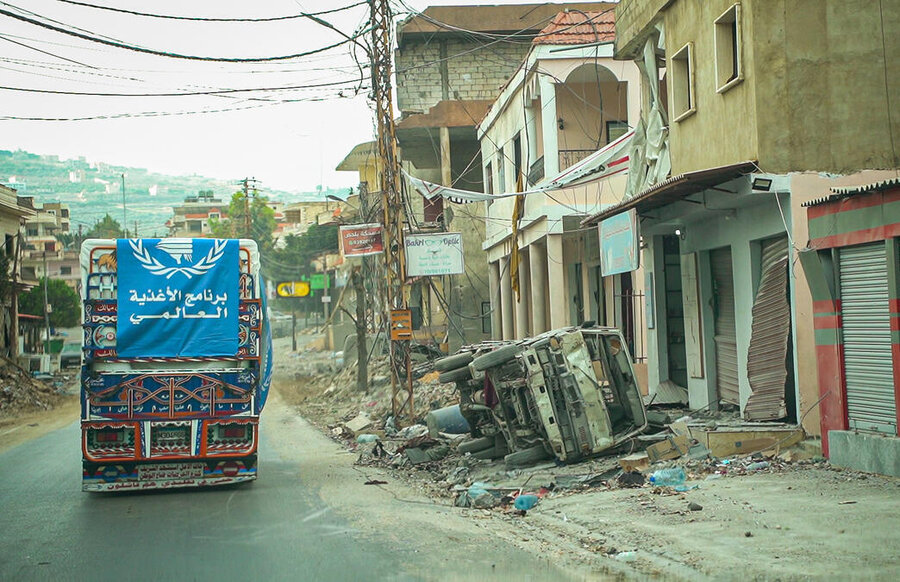
, WFP Staff – After conflict intensified in Lebanon last September, around 1.2 million people were uprooted.
A second humanitarian convoy dispatched by WFP and UNICEF reaches Rmaych, one of the hardest-hit areas near Lebanon’s southern borders, in November. WFP/Mohammed Awadh
“While many are now returning home,” said Matthew Hollingworth, Country Director for the World Food Programme (WFP) in Beirut, others “face the devastating reality of having no home to return to.”
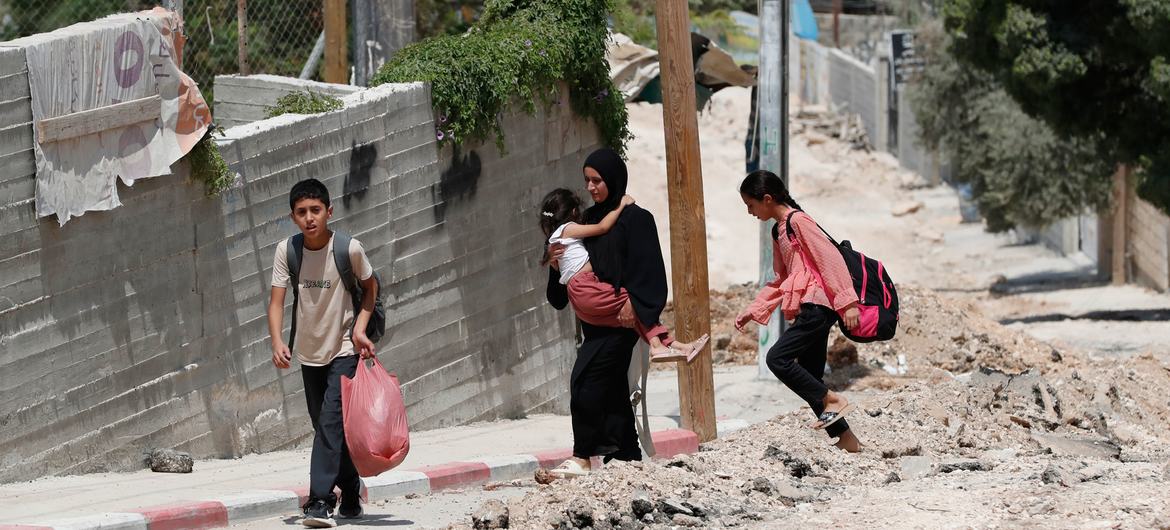
(UN News)* — The UN human rights office, OHCHR, on Friday [] expressed grave concerns over escalating violence in the Jenin area of the occupied West Bank, condemning the use of “unlawful lethal force” by Israeli security forces.
OHCHR spokesperson Thameen Al-Kheetan added that the Israeli military operation in and around the Jenin refugee camp had involved “disproportionate” use of force, including airstrikes and shootings that reportedly targeted unarmed residents.
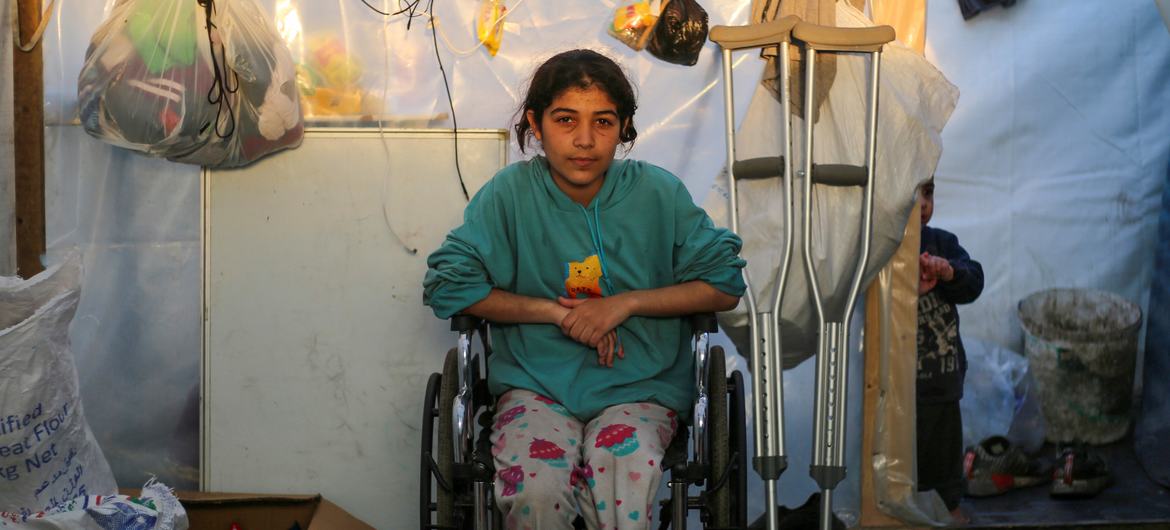
(UN News)* — In a rare moment of cautious optimism, UN Emergency Relief Coordinator Tom Fletcher addressed the Security Council on the dire humanitarian situation in Gaza on Thursday [], emphasizing the plight of children who have borne the brunt of the conflict.




 HUMAN WRONGS WATCH