(UN News)* — The crisis in eastern Democratic Republic of the Congo (DRC) continues to worsen amid ongoing fighting that has driven tens of thousands of people from their homes and created acute hunger, the UN World Food Programme (WFP) said on Friday [].
UN aid agencies are struggling to access provinces overrun by Rwanda-backed M23 rebel fighters at the start of the year, although dramatic funding shortfalls for humanitarian work have also contributed to the dire situation. Kigali has consistently denied providing military backing to the group.
(UN News)* —Warnings of worsening humanitarian conditions in Sudan continue, despite reports of a ceasefire deal brokered by international mediators on Thursday [6].
“Today, traumatised civilians are still trapped inside El Fasher and are being prevented from leaving,” said UN human rights chief Volker Türk in a statement released on Friday.
“I fear that the abominable atrocities such as summary executions, rape and ethnically motivated violence are continuing within the city.”
(UN News)* — As world leaders gather in Brazil for the COP30 climate summit, UN Secretary-General António Guterres on Thursday ] called for urgent action to drive down global temperatures and keep the 1.5°C goal within reach.
“Every fraction of a degree means more hunger, displacement, and loss – especially for those least responsible. It could push ecosystems past irreversible tipping points, expose billions to unlivable conditions, and amplify threats to peace and security,” Mr. Guterres told leaders in Belém.
Failure to contain global heating amounts to “moral failure and deadly negligence,” he added.
(UN News)* — From Gaza to Ukraine and beyond, conflict has caused widespread death and destruction, but it has also devastated natural resources such as water systems, farmland and forests.
The impacts affect livelihoods, and fuel displacement as well as ongoing instability. Moreover, they can linger even after the fighting has ended.
In Sierra Leone, for example, “when the guns fell silent in 2002 after a decade of conflict, our primary forests and savannahs also fell silent,” deputy foreign minister Francess Piagie Alghali told the UN Security Council on Thursday [].
For decades, the United States has punished nations that dared to act independently. From Venezuela to the Sahel, a new generation is rejecting the old empire’s script.
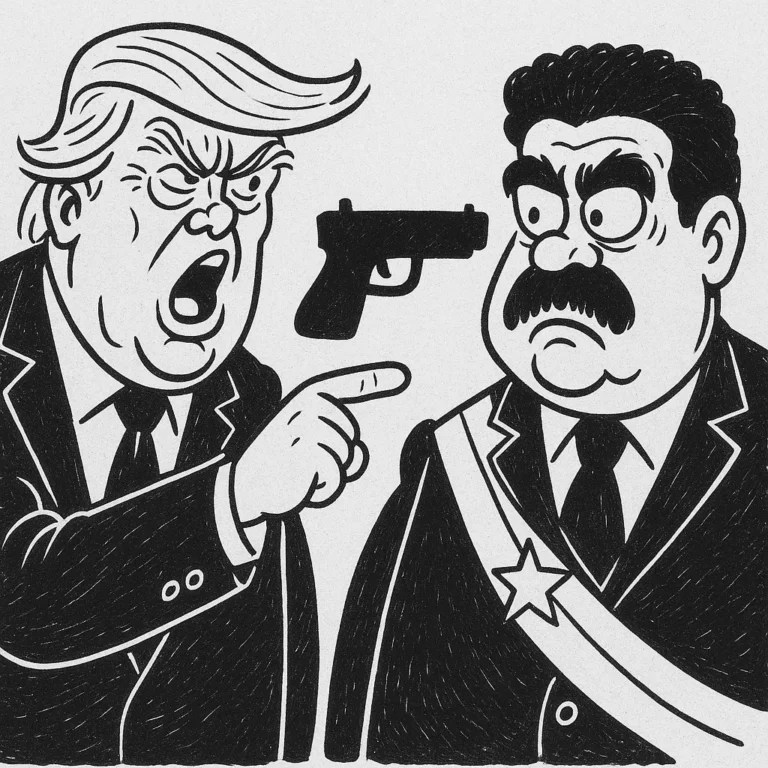
The mask has fallen. In a moment of verbal violence reminiscent of an old western, U.S. president Donald Trump openly called for the “removal” of Venezuelan president Nicolás Maduro, accusing Venezuela of “threatening American interests, or supporting drug cartels.”
Let us be clear: this is not mere rhetoric. It is an explicit call for the murder of a sovereign head of state—a flagrant violation of international law.
Though humanity has always counted its war casualties in terms of dead and wounded soldiers and civilians, destroyed cities and livelihoods, the environment has often remained the unpublicized victim of war. Water wells have been polluted, crops torched, forests cut down, soils poisoned, and animals killed to gain military advantage.
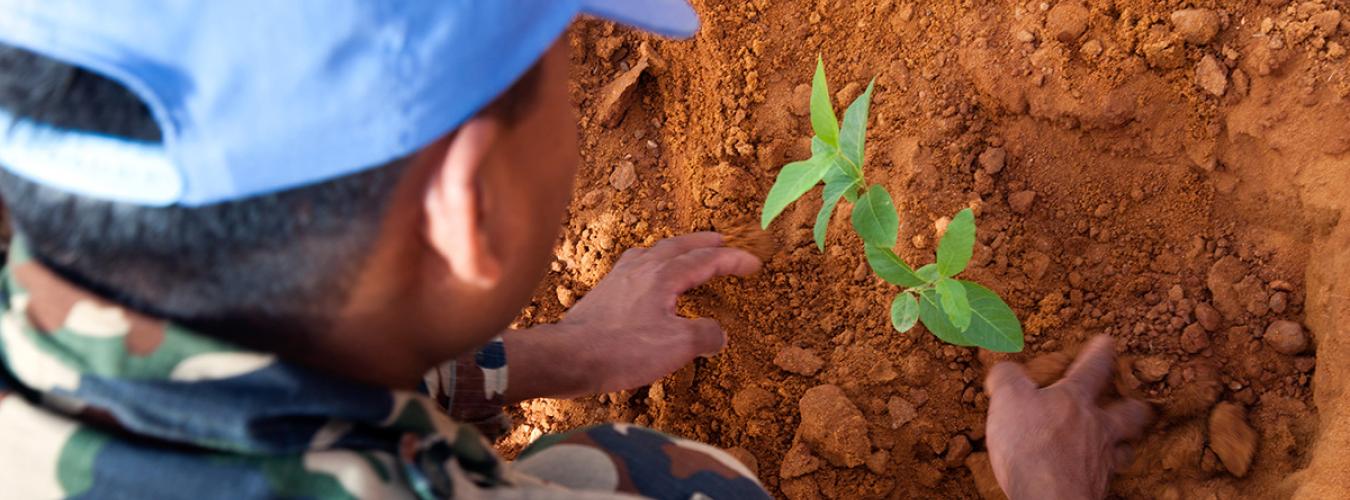
A Nepalese peacekeeper with the African Union-UN Hybrid Operation in Darfur (UNAMID) plants a tree outside UNAMID Headquarters in El Fasher, Sudan. PHOTO:UN Photo/Albert Gonzalez Farran
Furthermore, the United Nations Environment Programme (UNEP) has found that over the last 60 years, at least 40 percent of all internal conflicts have been linked to the exploitation of natural resources, whether high-value resources such as timber, diamonds, gold and oil, or scarce resources such as fertile land and water.
BULAWAYO & BANGKOK, Oct 31 2025 (IPS)* – From the streets of Bangkok to power corridors in Washington, the civil society space for dissent is fast shrinking.
Mandeep Tiwana, Secretary General, CIVICUS Global Alliance. Credit: CIVICUS
Authoritarian regimes are silencing opposition but indirectly fueling corruption and widening inequality, according to a leading global civil society alliance.
The warning is from Mandeep Tiwana, Secretary General of CIVICUSGlobal Alliance, who points to a troubling trend: civil society is increasingly considered a threat to those in power.
That is a sobering assessment from CIVICUS, which reports that a wave of repression by authoritarian regimes is directly fueling corruption and exploding inequality.
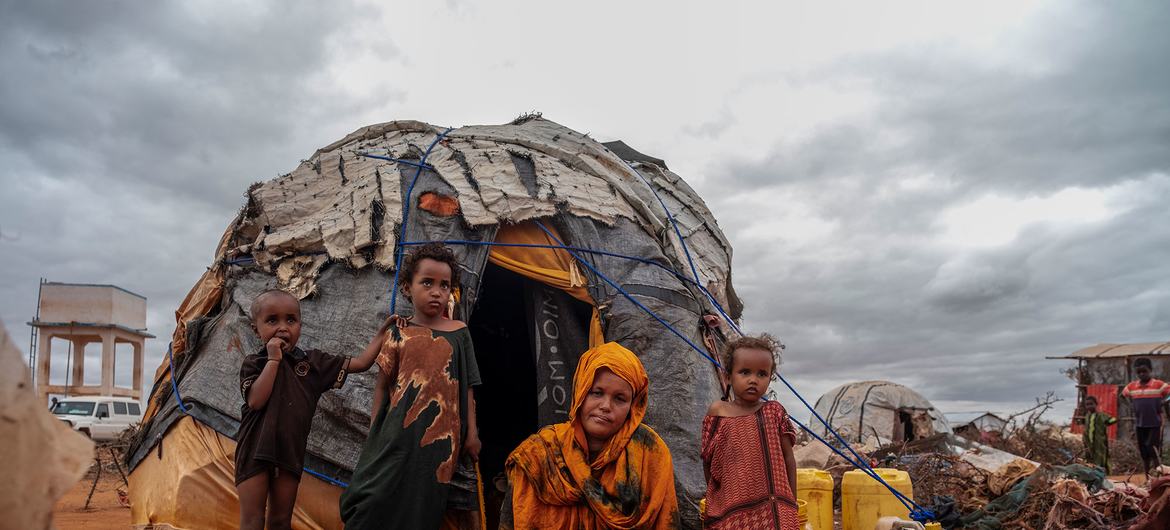
Funding cuts are forcing WFP to sharply shrink assistance to hundreds of thousands asylum seekers
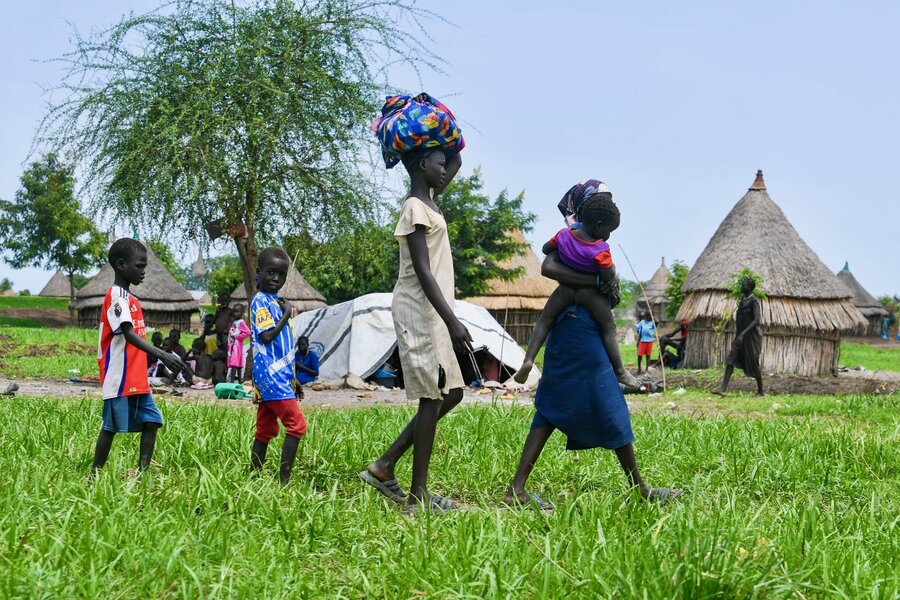
Nyibol (carrying baby) and her children arrive in Gambella, Ethiopia, after a days-long trek from South Sudan. Photo: WFP/Michael Tewelde
– Nyibol and her four children crossed from their native South Sudan into Ethiopia last April, feeling weak from hunger. It had been days since their last meal.
“My children are small; the journey was difficult for them,” recalls Nyibol, describing struggling with sickness during a two-week long journey
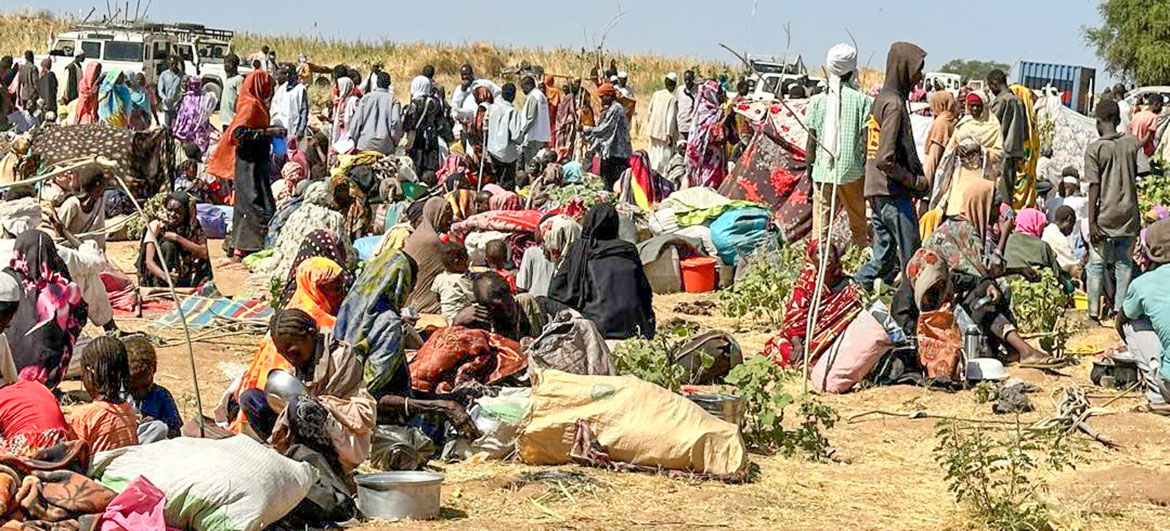
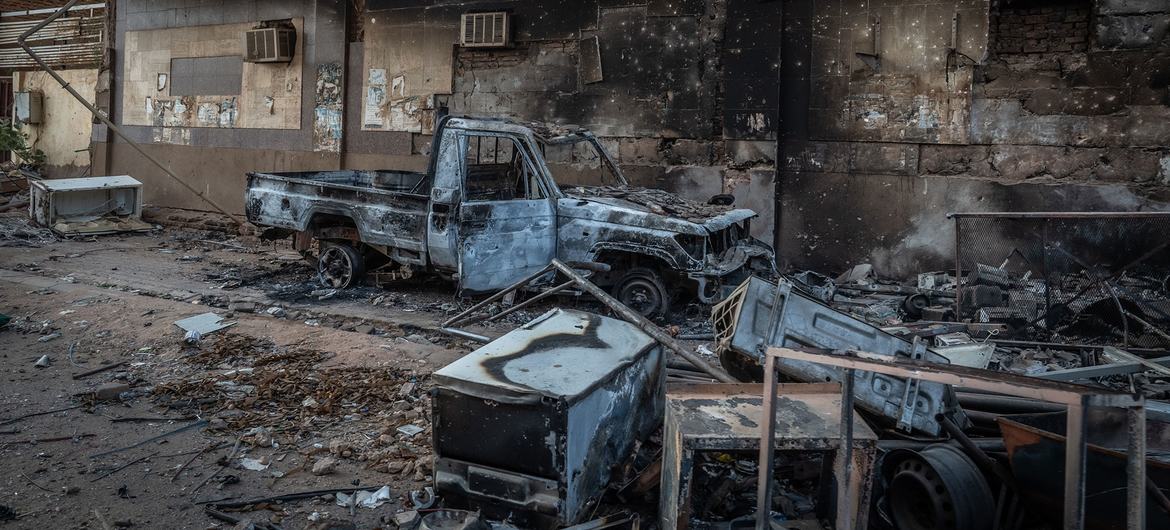
More details continued to emerge on Friday of atrocities committed during and after the fall of El Fasher to the Rapid Support Forces (RSF) militia in Sudan’s Darfur region.
Since the powerful paramilitary group made a major incursion into the city last week, the UN human rights office has received “horrendous accounts of summary executions, mass killings, rapes, attacks against humanitarian workers, looting, abductions and forced displacement,” said Seif Magango, spokesperson for the UN human rights office (OHCHR).
El Fasher has “descended into an even darker hell,” senior UN officials warned on Thursday, as the Rapid Support Forces (RSF) militia seized control of the North Darfur capital after a 500-day siege, forcing tens of thousands to flee on foot amid reports of mass executions, rape and starvation.
Briefing ambassadors in the Security Council, the UN’s top relief official Tom Fletcher said “women and girls are being raped, people being mutilated and killed – with utter impunity,” adding: “We cannot hear the screams, but – as we sit here today – the horror is continuing.”


 HUMAN WRONGS WATCH