BANGKOK, Thailand, Jun 18 2020 (IPS)* – The world before COVID-19 looks very attractive right now. In light of the disease, mass unemployment and social distancing, a return to pre-pandemic normality seems appealing. Yet we should remember what normal was.
Credit: Marcin Jozwiak on Unsplash
Normal was obtaining 85 per cent of our energy fossil fuels and losing 7 million people a year to air pollution. Normal was careening toward a global temperature rise of over 3.5 C by the end of the century, with island nations facing obliteration. Normal was 1 in 8 species threatened with extinction, continued squeezing of wild spaces into smaller and smaller corners, and the rampant illegal trade in wildlife.
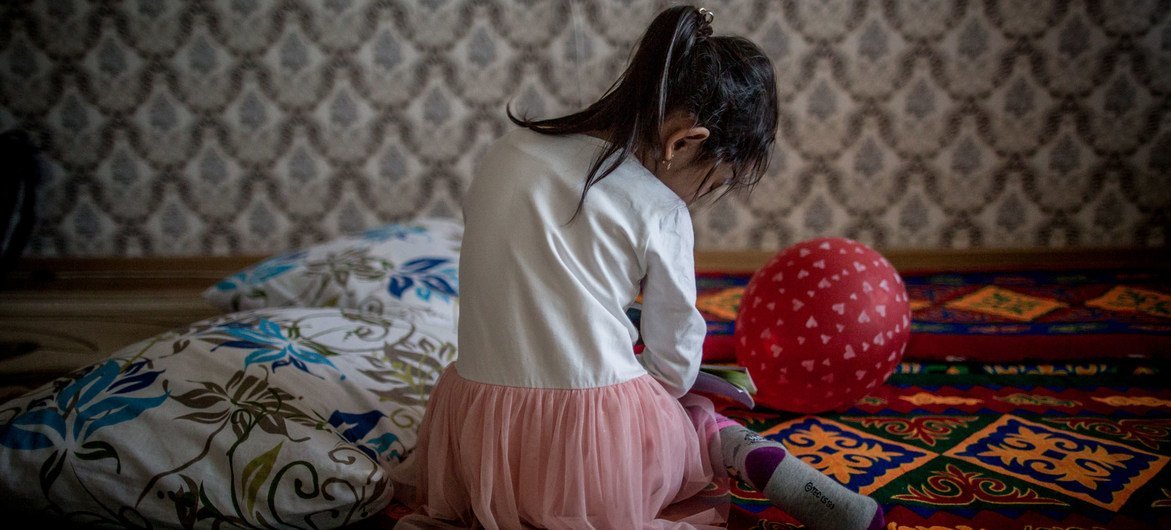
(UN News)* — Each year, half of the world’s children – around one billion youngsters – are affected by physical, sexual or psychological violence because countries fail to follow established strategies to protect them, according to a new UN report issued Thursday [18 June 2020].
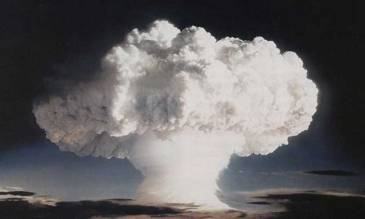
UNITED NATIONS, Jun 16 2020 (IPS)* – The world’s stockpile of nuclear weapons—estimated at over 13,400 at the beginning of 2020 – have a least one thing in common with humans: they are “retired” when they reach old age.
Credit: US government
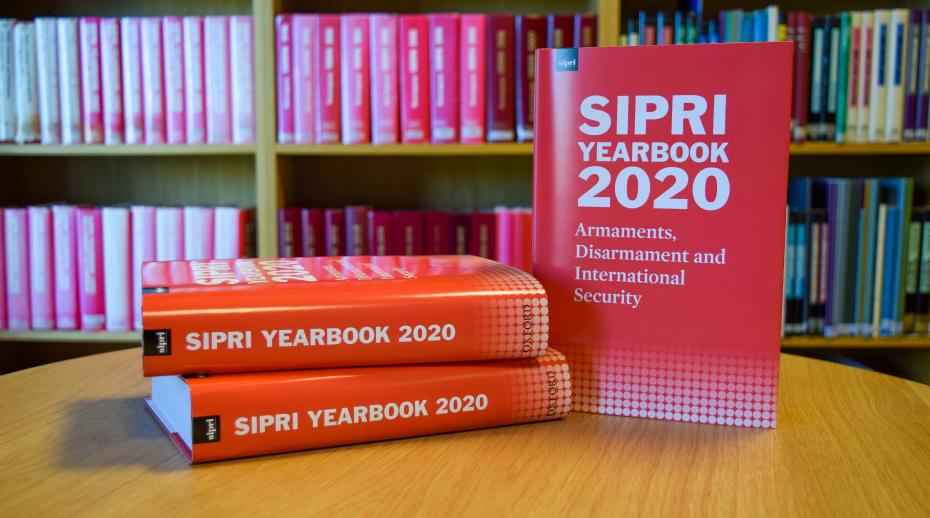
The 2020 Yearbook, released by the Stockholm International Peace Research Institute .(SIPRI), says there was a decrease in the number of nuclear weapons worldwide in 2019.
And this was largely due to the dismantlement of “retired nuclear weapons” by Russia and the US—which together possess over 90 per cent of global nuclear weapons.
Stockholm – The Stockholm International Peace Research Institute (SIPRI) on launched the findings of SIPRI Yearbook 2020, which assesses the current state of armaments, disarmament and international security. A key finding is that despite an overall decrease in the number of nuclear warheads in 2019, all nuclear weapon-possessing states continue to modernize their nuclear arsenals.
18 June 2020 (United Nations)* — The COVID-19 pandemic and the recent anti-racism protests have shown us how desperately we need to fight for a more inclusive and equal world: a world where no one is left behind. It has never been clearer that all of us have a role to play in order to bring about change. Everyone can make a difference. This is at the heart of UNHCR’s World Refugee Day campaign.
This year, we aim to remind the world that everyone, including refugees, can contribute to society and Every Action Counts in the effort to create a more just, inclusive, and equal world.
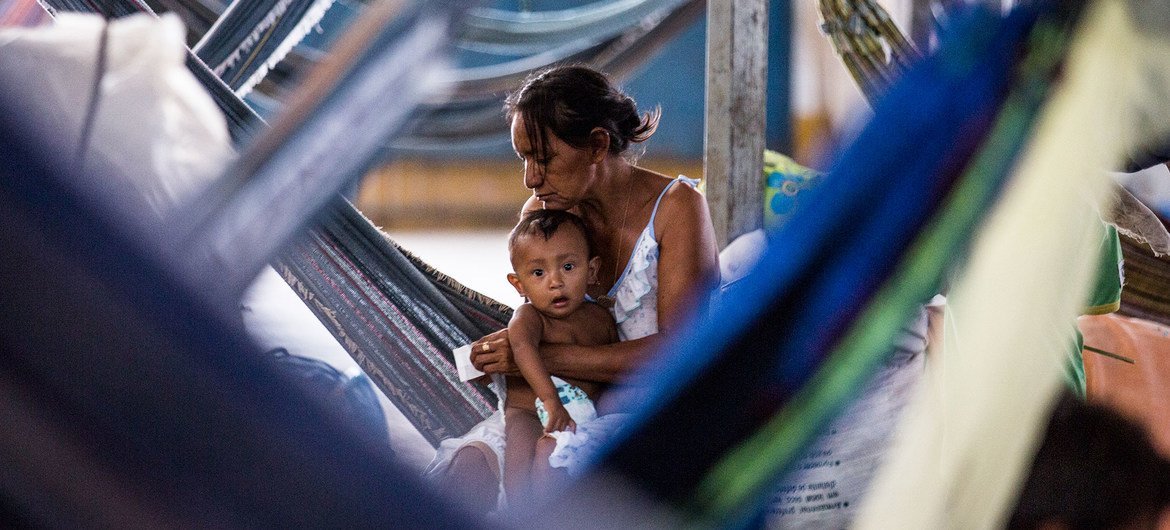
(UN News)* — Global displacement reached a staggering 79.5 million people last year – almost double the number of people in crisis registered a decade ago – owing to war, violence, persecution and other emergencies, the UN refugee agency, UNHCR, said on Thursday [18 June 2020].
Highlighting that this number now represents one in every 97 people on the planet, UNHCR’s latest Global Trends report shows that 8.7 million people were newly displaced in 2019 alone, with developing countries worst hit.
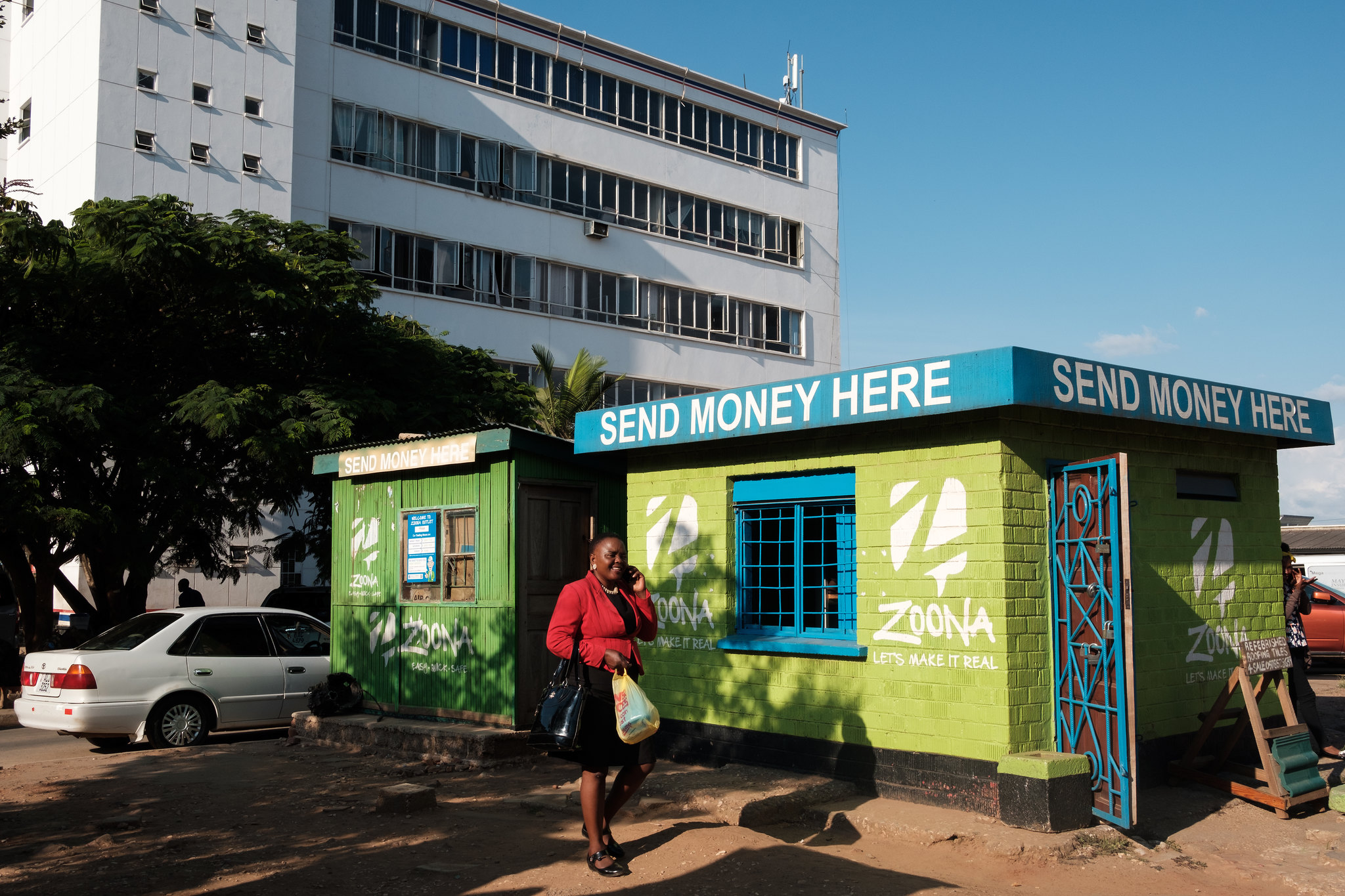
WASHINGTON (WORLD BANK)*— Global remittances are projected to decline sharply by about 20 percent in 2020 due to the economic crisis induced by the COVID-19 pandemic and shutdown.
.
The projected fall, which would be the sharpest decline in recent history, is largely due to a fall in the wages and employment of migrant workers, who tend to be more vulnerable to loss of employment and wages during an economic crisis in a host country.
16 June 2020 (United Nations)* — This year, the International Day of Family Remittances (IDFR) on 16 June 2020 is observed under unprecedented conditions. COVID-19 has changed the world. Millions of migrant workers are losing their jobs, and many remittance families are suddenly pushed below the poverty line – bringing to a halt, efforts to reach their own individual SDGs.
Remittance families are typically both resourceful and resilient in the face of difficult circumstances and changing conditions. But COVID-19 is disrupting an entire system that directly involves 200 million migrant workers, half of them women, around the world and their 800 million family members back home.
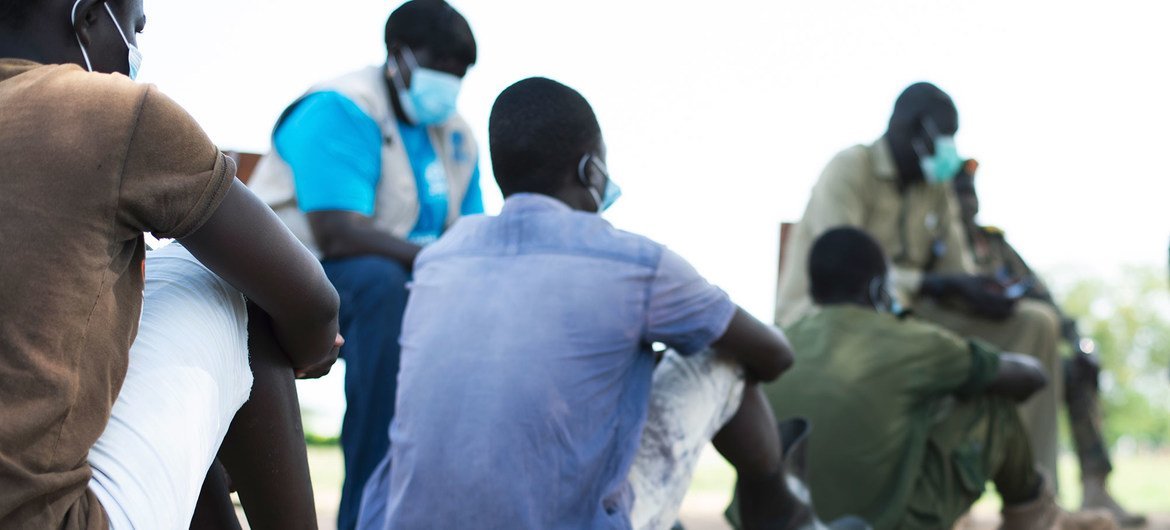
(UN News)* — Boys and girls used and abused in armed conflict have had their childhoods replaced by “pain, brutality and fear while the world watches”, the UN Special Representative of the Secretary-General for Children and Armed Conflict, said on Monday [15 June 2020].
Launching the Secretary-General’s Annual Report on Children and Armed Conflict, Virginia Gamba maintained that parties to conflict often “neglect to protect children in the conduct of hostilities and deny them the vital aid they desperately need”. The tragedy children face continued unabated throughout 2019, the report highlighted, disclosing that the UN had verified over 25,000 grave violations against children.
17 June 2020 (Wall Street International)* — The amazing turn of events in the USA in the two weeks following the horrific killing of George Floyd, cradled within an even more astounding turn of events across the world in the last few months, offers us an occasion for stunned reflection. Humanity’s deep faultlines – racist, masculinist, classist, casteist, and more – have been sharply exposed in both. As have the faultlines between humanity and the rest of nature, and those of what we have mistakenly come to call ‘democracy’.
The turn of events in the USA following the horrific killing of George Floyd | Image from Wall Street International.




 HUMAN WRONGS WATCH