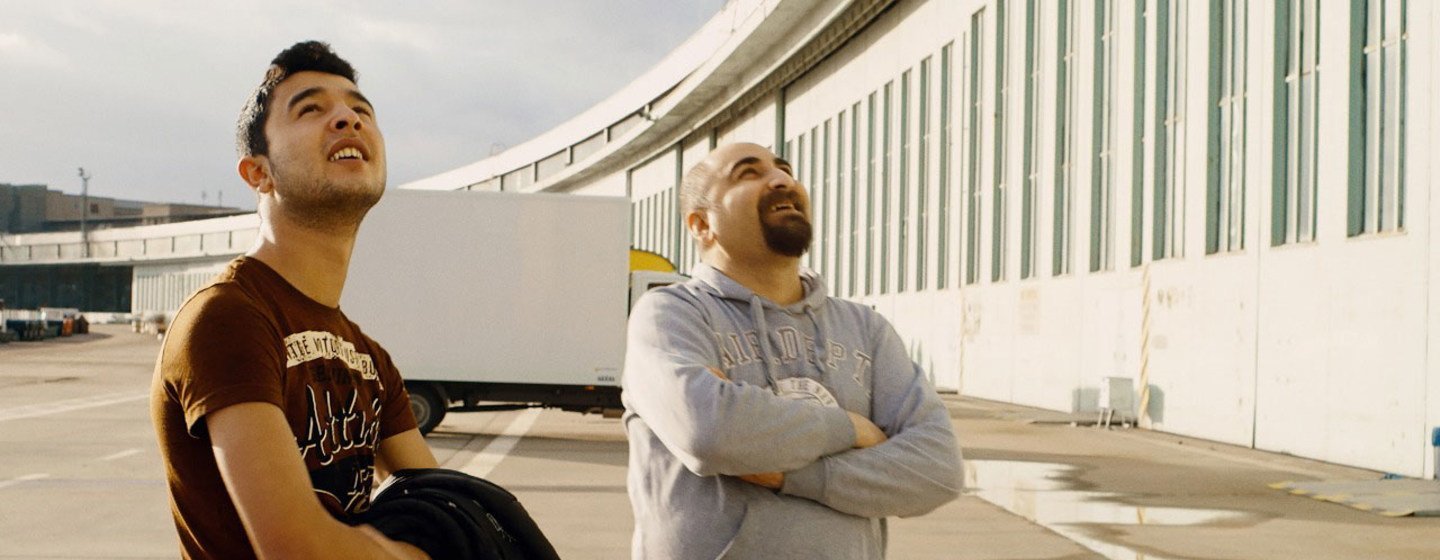
Karim Aïnouz is the director of “Central Airport THF”, a documentary which describes the situation of asylum seekers sheltered in the former Tempelhof Airport, in Berlin, and is now available on streaming platforms.
'Unseen' News and Views
(UN News)* — The COVID-19 pandemic is having a devastating impact on the world’s indigenous peoples that stretches well beyond the immediate threat to their health, the new UN independent expert on the rights of indigenous peoples said on Monday [18 May 2020].

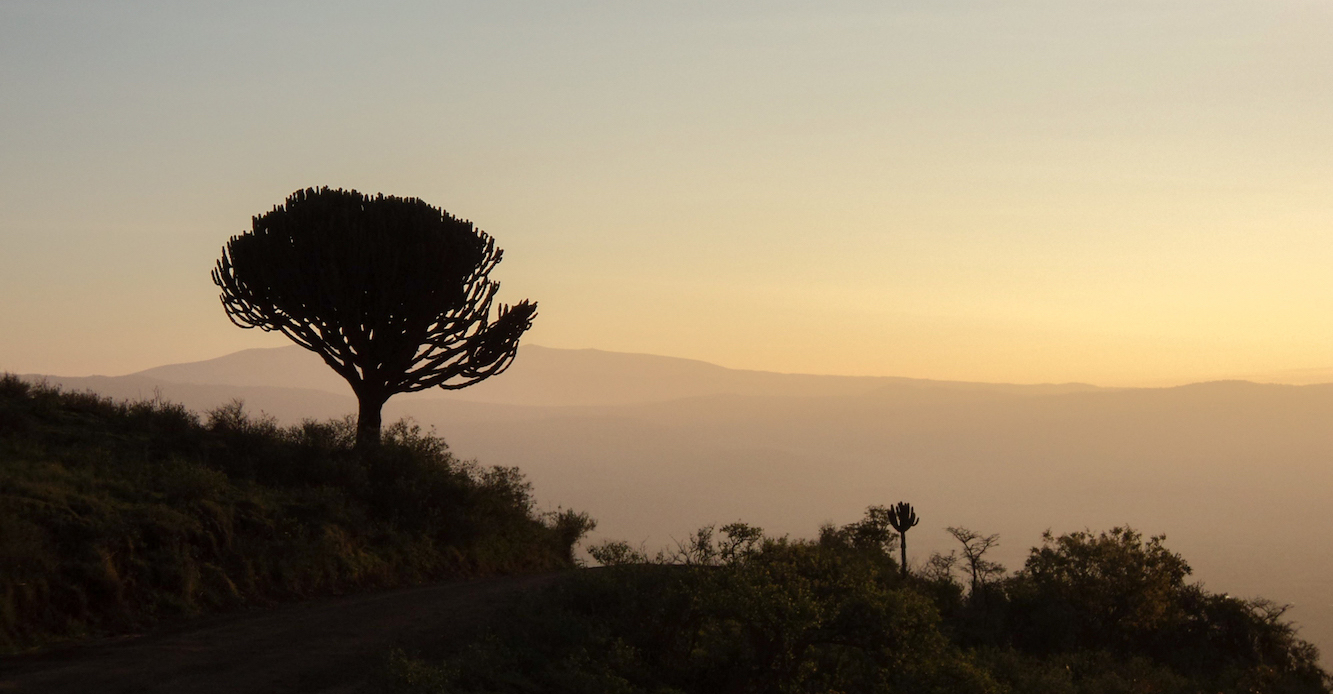
”Now we hear that Corona virus is in town; that we cannot go there anymore. We fear to go to town. And if the disease cannot be treated traditionally, it will be a threat to our life,” Oloshuro Saruni, a member of the Akie community in Tanzania, said.
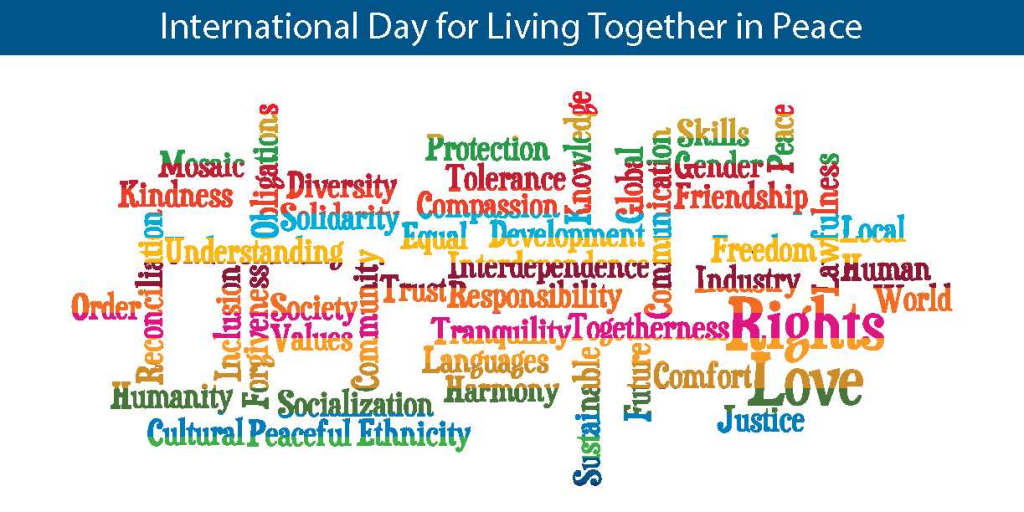
The United Nations has designated the 16th of May as a day devoted to Living Together in Peace. It therefore seems appropriate to discuss the need for reforming our educational systems so that they will prepare young people for international cooperation and harmony rather than for participation in aggressive wars.
School systems have traditionally aimed at producing nationalism in their students. Within the Roman Empire, students were taught the motto “Dulce et decorum est pro patria mori” (It is sweet and noble to die for one’s country).
In the midst of a massive global pandemic that has killed tens of thousands of people and wrecked economies all over the world leaving millions jobless, some terrorists and mercenaries allegedly backed by certain governments had on 3rd May 2020 attempted to invade the independent, sovereign state of Venezuela.

Dr. Chandra Muzaffar
Organised and trained in neighbouring Colombia, they had landed on the coast of Macuto close to the Venezuelan capital of Caracas.
The invasion was foiled by the Venezuelan military and police with the support of the people. Several of the invaders were killed and a couple captured.
The captured, both Americans, confessed on Venezuelan TV, that their aim was not only the overthrow of the legally constituted government but also the assassination of the president, Nicholas Maduro.
Though the invasion has been thwarted, the captured Americans made it clear that the ouster of the Maduro government was an on-going operation.
Vienna (Austria) (UNODC)* – COVID-19 travel and movement restrictions are not stopping the movement of people fleeing conflict, human rights abuses, violence and dangerous living conditions, while the economic consequences of the pandemic are likely to lead to an increase in smuggling of migrants and trafficking in person flows from the most affected countries to more affluent destinations, according to a report launched by the United Nations Office on Drugs and Crime (UNODC) on 14 May 2020.
 Photo: © UNODC
The Asia Pacific region has one of the highest number of people in modern slavery, but the growing awareness of modern slavery in the region has led to the implementation of legislations to combat it. The International Labour Organisation (ILO) estimates that about 152 million children, aged between 5 and 17, were subject to child labour in 2016, out of which 62 million were in Asia and the Pacific. This is the first of a 2-part series on trafficking and modern slavery in the region.
Fatima is now the sole breadwinner for three children. With assistance from FAO and its partners, she has returned to beekeeping to earn a living. FAO has reached 500 people in various Syrian governorates, helping to restart livelihoods and return self-reliance. ©FAO/Salma Hakki
15 May 2020 (FAO)* — The improvement of the security situation in Daraa Governorate in southwest Syria has allowed thousands of displaced families to return to their homes. However, it has not been an easy return for the families who lost their income, resources or their breadwinners.
Many returnees are women and people with disabilities, groups vulnerable to poverty or food insecurity.
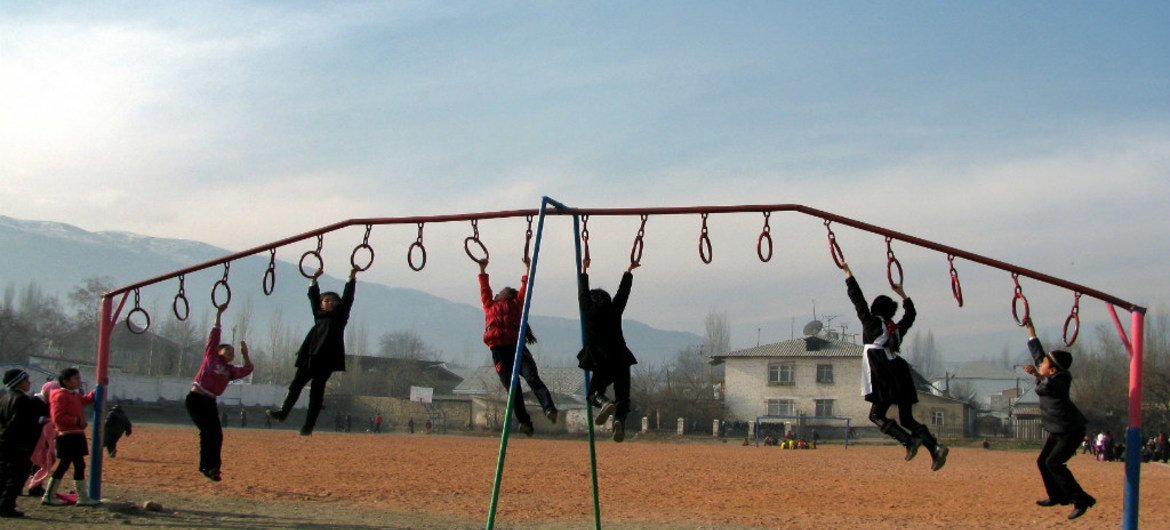
15 May 2020 (UN News)* — The International Organization for Migration (IOM) launched an urgent $7 million appeal on Thursday [14 May 2020], to ease the impact of COVID-19 on migrant communities in five Central Asian countries and the Russian Federation, where the pandemic is pushing a growing number of migrant workers into poverty.
.
The appeal aims to help thousands who are stranded in Kazakhstan, Kyrgyzstan, the Russian Federation, Tajikistan, Turkmenistan and Uzbekistan.
(UN News)* — Chronic violence, insecurity and now COVID-related restrictions have put tens of thousands of Central Americans at risk of increased hardship and even death, the UN refugee agency (UNHCR) said on Friday [15 May 2020].


 HUMAN WRONGS WATCH