Human Wrongs Watch
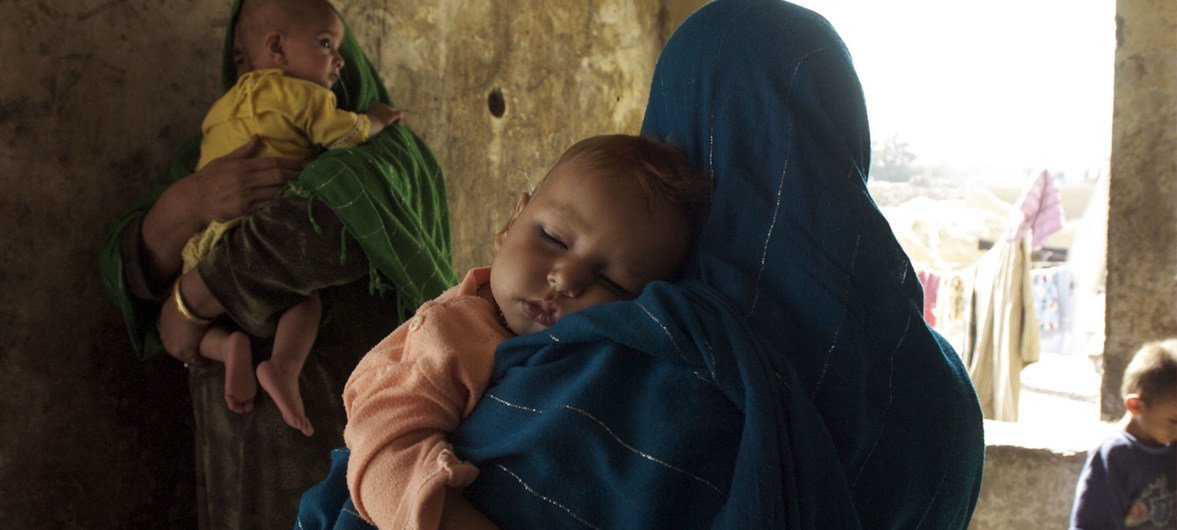
22 February 2020 (UN News)* — More than 10,000 civilians in Afghanistan were killed and injured last year, according to a new United Nations report that details record-high levels of civilian harm in the ongoing conflict.
'Unseen' News and Views
22 February 2020 (UN News)* — More than 10,000 civilians in Afghanistan were killed and injured last year, according to a new United Nations report that details record-high levels of civilian harm in the ongoing conflict.
Food security worsened significantly in areas hit by last year’s floods
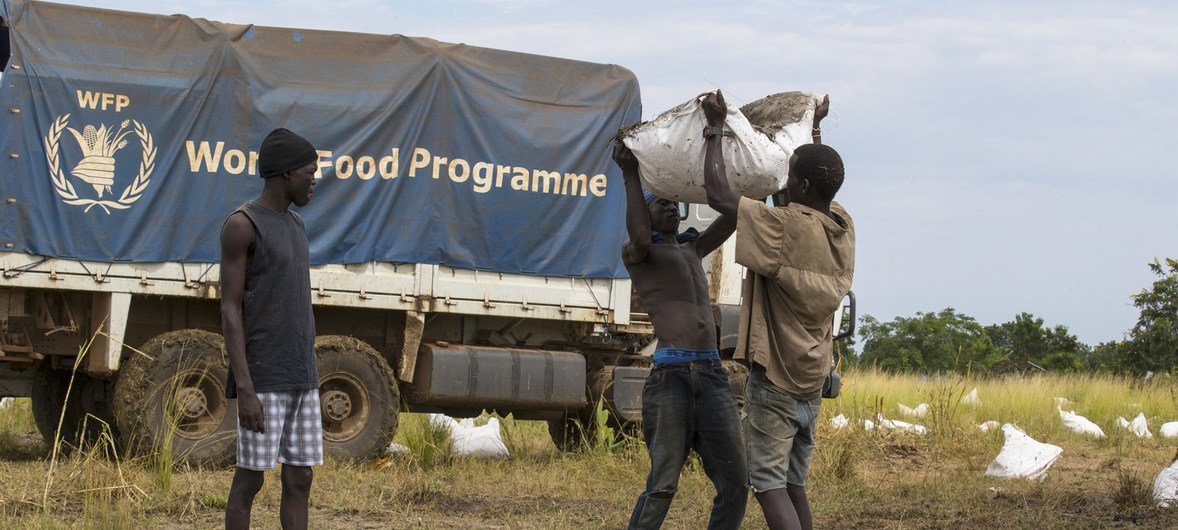
 Agong and her child from South Sudan, where some 6.5 million people are at risk of hunger.
JUBA (FAO)* – Some 6.5 million people in South Sudan – more than half of the population – could be in acute food insecurity at the height of this hunger season (May-July), three United Nations agencies on 20 February 2020 warned.
(UN News)* – The people of South Sudan have been “deliberately starved” in different parts of the country for ethnic and political reasons, and sexual violence against women and men as a weapon of war is ongoing, UN investigators said on Thursday [20 February 2020]
They warned of intercommunal conflict and terrible rights violations “in large swathes of territory”, as a new deadline approaches the formation of a unity Government after years of conflict.
Basis for a war crime
Geneva (IOM)* – The International Organization for Migration (IOM) on 19 February 2-2o called on the international community including the European Union to find an alternative safe disembarkation mechanism for migrants rescued fleeing Libya by boat after roughly 200 migrants were returned to Tripoli, hours after the city’s main port was heavily shelled on Tuesday [18 February 2020].
IOM Libya staff assist migrants at a disembarkation point in Tripoli. Photo credit: IOM 2020
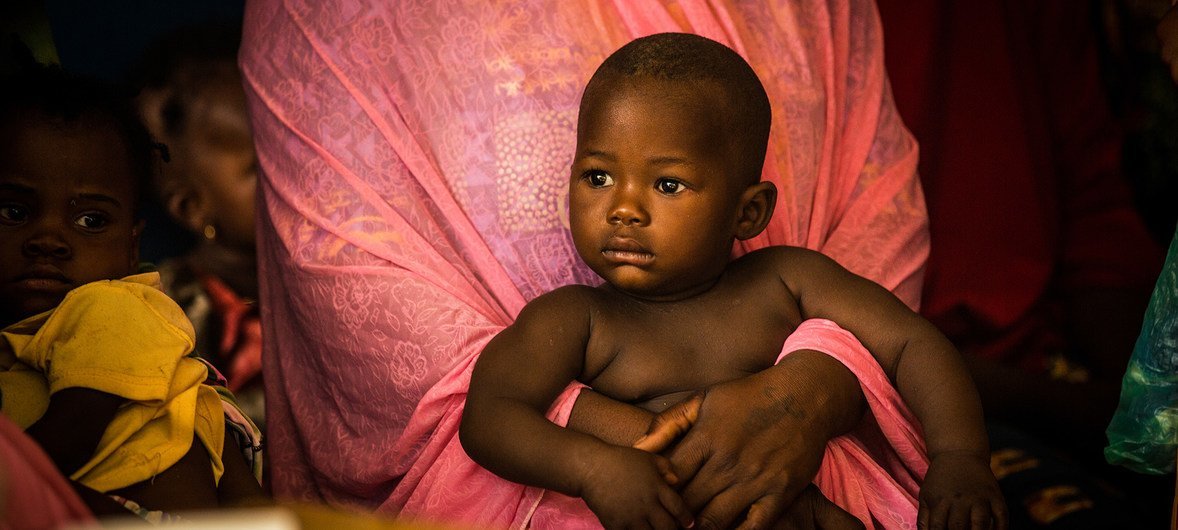
(UN News)* — Malnutrition, disease, floods, droughts and displacement in Niger have put nearly three million people, more than half of them children, in need of humanitarian assistance, UNICEF on 19 February 2020 said, calling for increased attention to their plight.
19 February 2020 (UN News)* — The world’s survival depends on children being able to flourish, but no country is doing enough to give them a sustainable future, dozens of highly respected international health experts on 19 February 2020.

In a UN-backed report assessing the capacity of 180 countries to ensure that their youngsters can survive and thrive, the authors highlight numerous “immediate” threats to their health, environment and opportunities.
Our Addiction to Fossil Fuels Can Kill Us
The Industrial Revolution marked the start of a massive human use of fossil fuels. The stored energy from several hundred million years of plant growth began to be used at roughly a million times the rate at which it had been formed.

John Scales Avery
The effect on human society was like that of a narcotic. There was a euphoric (and totally unsustainable) surge of growth of both population and industrial production.
Meanwhile, the carbon released by the burning of fossil fuels began to duplicate the conditions that lead to the 5 geologically-observed mass extinction events during each of which more than half of all living species disappeared forever.
We all know that drug addicts can die from their addiction.
The world’s scientists are unanimous in telling us that unless we take immediate action to kick the habit, our addiction to fossil fuels will kill human society and much of the biosphere.
– When President Saddam Hussein ran one of the world’s most authoritarian regimes in the militarily-volatile Middle East during 1979-2003, US newspapers routinely described him as “the strongman of Iraq” — as most journalists rightly view dictators worldwide.
Credit: Iraqi News
But one of his political aides, described as “Saddam’s right-hand man” (what if Saddam was left-handed?), took issue with a visiting US journalist when he rather hilariously challenged the description.
(UN News)* — A monthly average of 11,500 people traveling from the Horn of Africa to Yemen last year made the so-called Eastern Route the busiest maritime migration path on earth, the UN migration agency said on Friday [14 February 2020].
 HUMAN WRONGS WATCH