Forced labour is all around us, but not how you think. ‘Confronting root causes’ pulls together research from across the world to explain where it comes from and what we can do about it.
It is by now widely recognised that effectively tackling forced labour in the global economy means addressing its ‘root causes’. Policymakers, business leaders and civil society organisations all routinely call for interventions that do so.[1, 2]Yet what exactly are these root causes? And how do they operate?
The United Nations Interim Force in Lebanon (UNIFIL) has confirmed the existence of at least two tunnels crossing the “Blue Line” – the border demarcation between Lebanon and Israel – but they “do not appear thus far” to have exit points leading to the surface on Israeli territory, the United Nations top peacekeeping official on 19 December 2018 told the Security Council.
UN Photo/Eskinder Debebe | A UN peacekeeper patrols the ‘Blue Line’ in southern Lebanon.
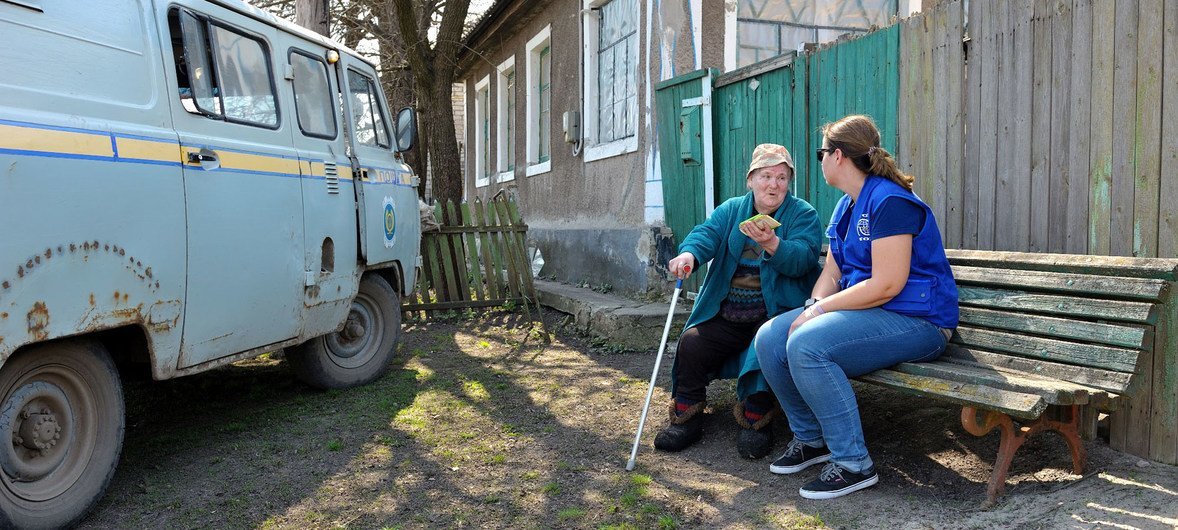
Rights violations have continued unabated and unaddressed in Ukraine and people are still dying amid ongoing conflict between Government forces and armed separatists in the east of the country, a top UN rights official on 19 December 2018 said.
IOM/Konstantin Skomorokh | An elderly woman in village Krymskoe, heavily affected by the armed conflict, receives financial assistance from IOM.
.
Addressing Member States at the Human Rights Council in Geneva, Deputy High Commissioner for Human Rights, Kate Gilmore, warned that in addition to the loss of life, fighting had caused communities to “fracture”, undermining the prospects for a sustainable peace.
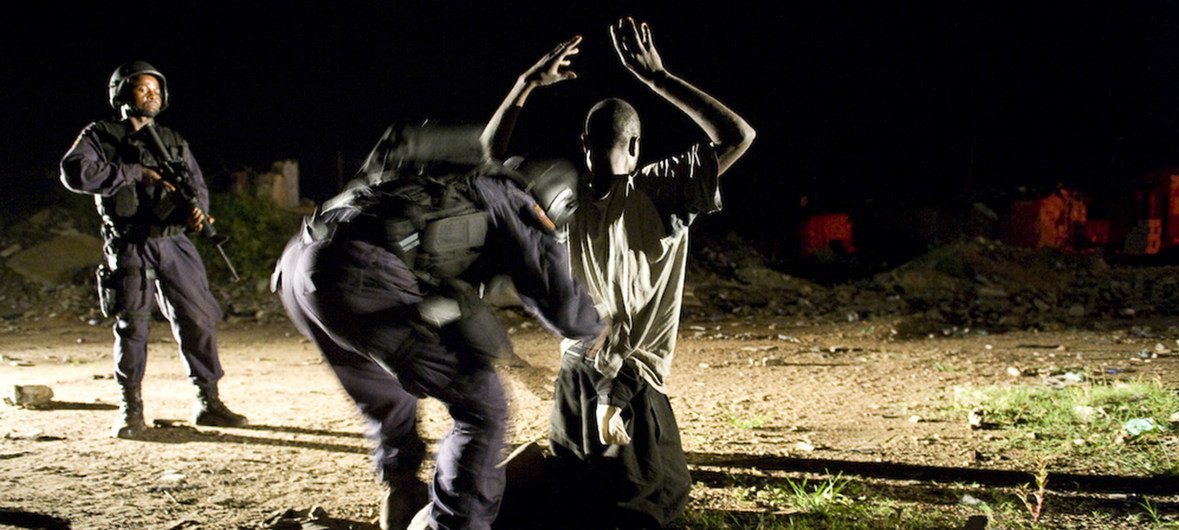
West and Central Africa faces “disruptive and destabilising” new trends regarding drug trafficking, drug use and other crimes, according to Yury Fedotov, Executive Director of the United Nations Office on Drugs and Crime (UNODC), who briefed the UN Security Council on 19 December 2018.
UNMIL Photo/Christopher Herwig | Abandoned buildings at the Barclay training center in downtown Monrovia, a notorious meeting point for drug dealers and users. Here, a suspect is identified and searched for drugs and weapons. (2008)
“UNODC is registering new alarming trends on drug trafficking in West and Central Africa with disruptive and destabilizing effects on governance, security, economic growth, and public health,” said Mr. Fedotov, who briefed via VTC.
The UN Security Council Alone Has the Power to Impose Sanctions
According to the Charter of the United Nations, only the UN Security Council has a mandate by the international community to apply sanctions (Article 41) that must be complied with by all UN member states (Article 2,2). Therefore sanctions on Iran, unilaterally imposed by the United States government, are illegal.
They are a violation of the United Nations Charter. With amazing hubris and arrogance, the US government has imposed sanctions on various countries, including Iran.
In the case of Iran, these sanctions have caused the suffering of millions of innocent people, who are unable to buy medicines for serious illnesses, and whose financial security is threatened by the economic damage produced by US sanctions.
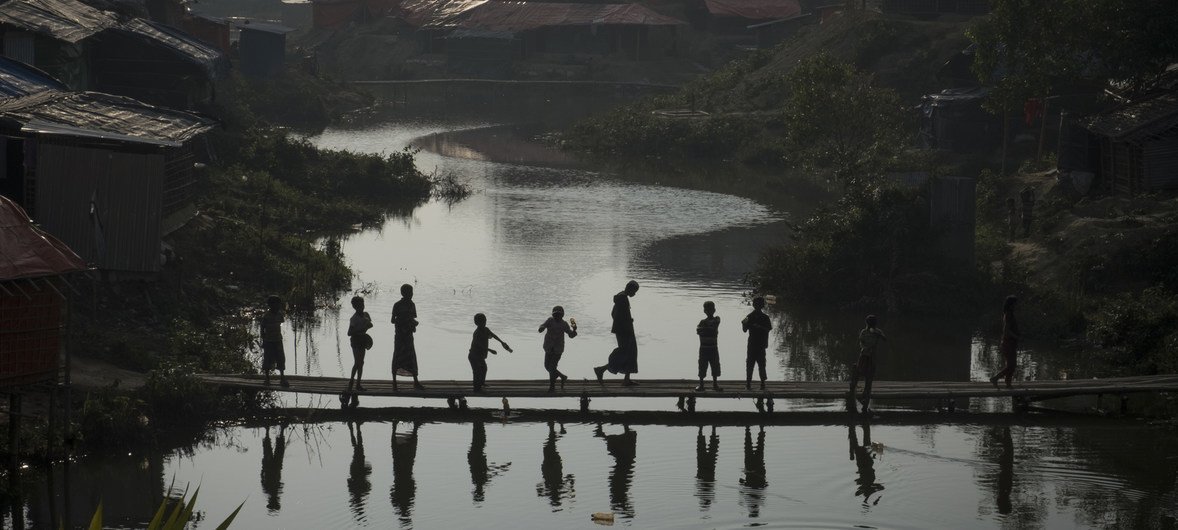
The United Nations General Assembly affirmed a non-legally binding Global Compact on Refugees on 17 December 2018, marking the latest move by Member States to support the rights of 258 million people on the move worldwide.
UNICEF/Nybo | A group of Rohingya refugee children cross a makeshift bamboo bridge in Kutupalong refugee settlement in southern Bangladesh, where hundreds of thousands of refugees are sheltering after being forced to flee their homes in Myanmar.
An overwhelming number of majority States, 181, voted in favor of adopting the compact, with the United States and Hungary opposing the move. The Dominican Republic, Eritrea and Libya abstained.
Berlin (IOM)*– Today (18/12/2018) IOM’s Missing Migrants Project (MMP) will publish records from hundreds of eyewitness reports of deaths during migration in Africa, bringing the total number of deaths recorded on the continent to 1,386 this year.
An estimated 6,615 deaths during migration reported in Africa in the last five years. Photo: IOM
United Nations* – Throughout human history, migration has been a courageous expression of the individual’s will to overcome adversity and to live a better life.
.
IOM Photo
Today, globalization, together with advances in communications and transportation, has greatly increased the number of people who have the desire and the capacity to move to other places.
This new era has created challenges and opportunities for societies throughout the world.
It also has served to underscore the clear linkage between migration and development, as well as the opportunities it provides for co-development, that is, the concerted improvement of economic and social conditions at both origin and destination.
Human migration is “a powerful driver of economic growth, dynamism and understanding,” UN Secretary-General António Guterres has said, in his message commemorating International Migrants Day, marked on 18 December.
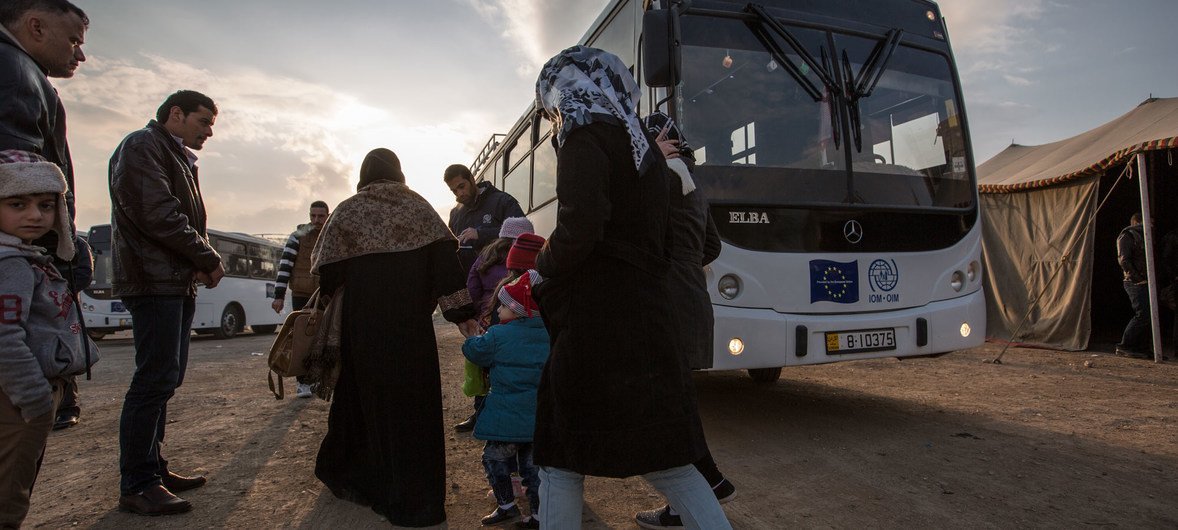
IOM/Muse Mohammed (file) | Migrants boarding a bus headed towards a processing center in Amman, the capital of Jordan.
The UN chief explained that migration allows millions to seek new opportunities that benefit communities of origin and destination alike. However, he pointed out “when poorly regulated, migration can intensify divisions within and between societies, expose people to exploitation and abuse, and undermine faith in government.”
 Illustration by Carys Boughton. (CC BY-NC 4.0)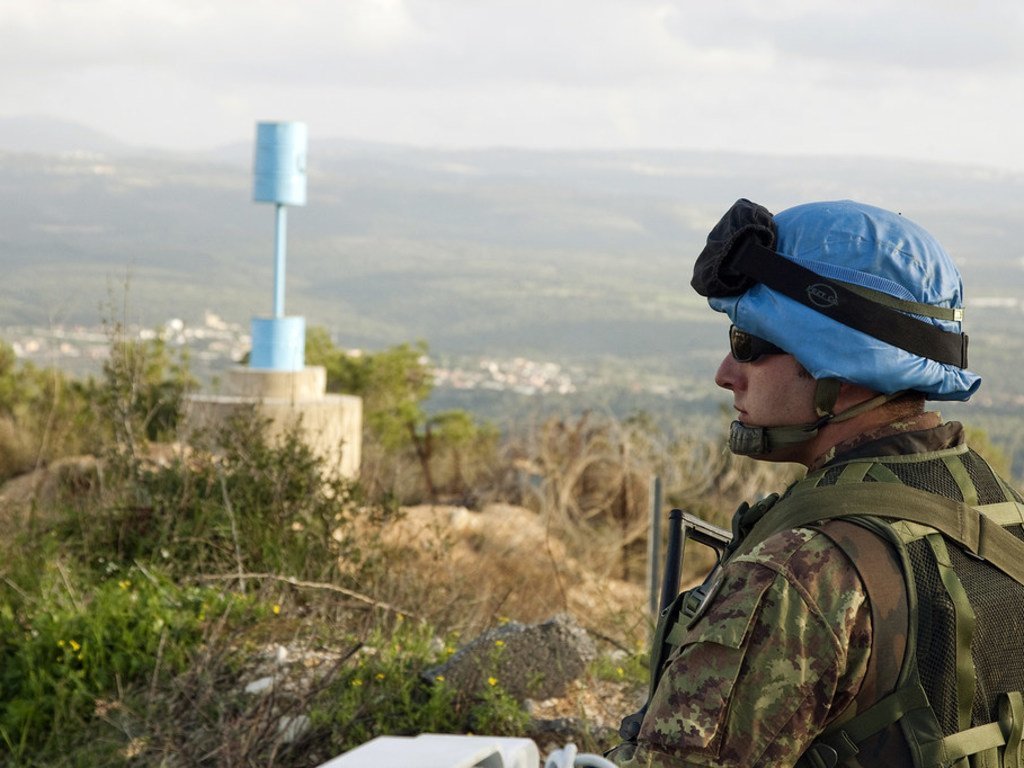



 HUMAN WRONGS WATCH