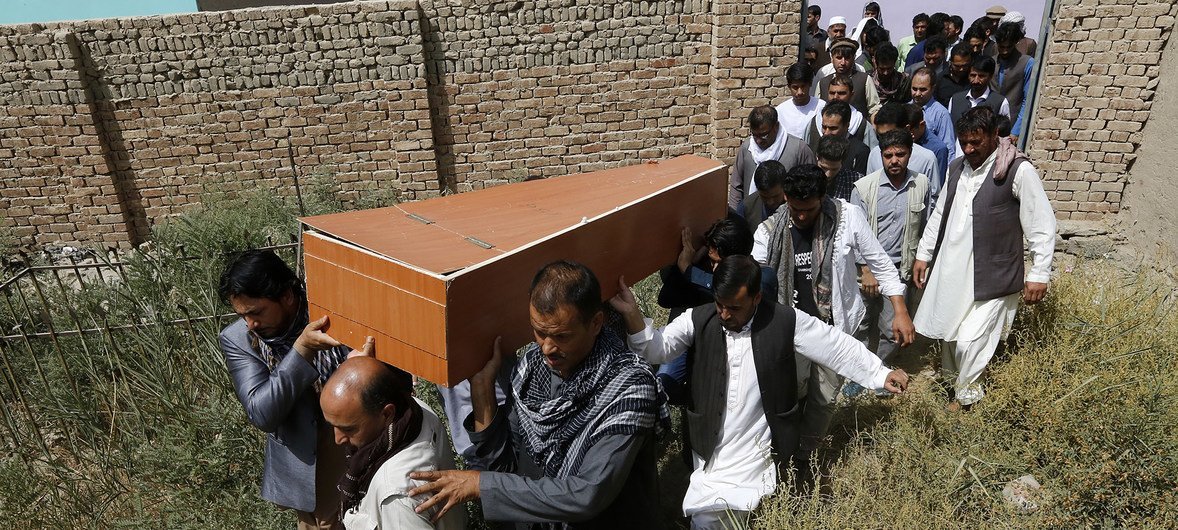
A group of independent, UN-appointed human rights experts have called on world leaders to stop inciting hatred and violence against the media, citing the hundreds of journalists killed or forcibly detained because of their work, and ensure that those responsible are held accountable.
UNAMA/Fardin Waezi | A funeral takes place for a Tolo news agency journalist killed in an attack on 5 September 2018 outside a sports centre in Kabul, Afghanistan.
30 October 2018 (Wall Street International)* — As the world population grows the need for Public Goods becomes greater since these are the base for humanity’s productive activity. Essential goods are found in permanent interaction with nature. All of them, water, energy, natural resources, food, education, health, social housing, and retirement funds or forced savings, are needed by the labor force upon retirement.
These goods are an integral part of the economic wellbeing and are part of the essential objectives which help build peace and social sustainability which are intrinsic to Humanity’s development.
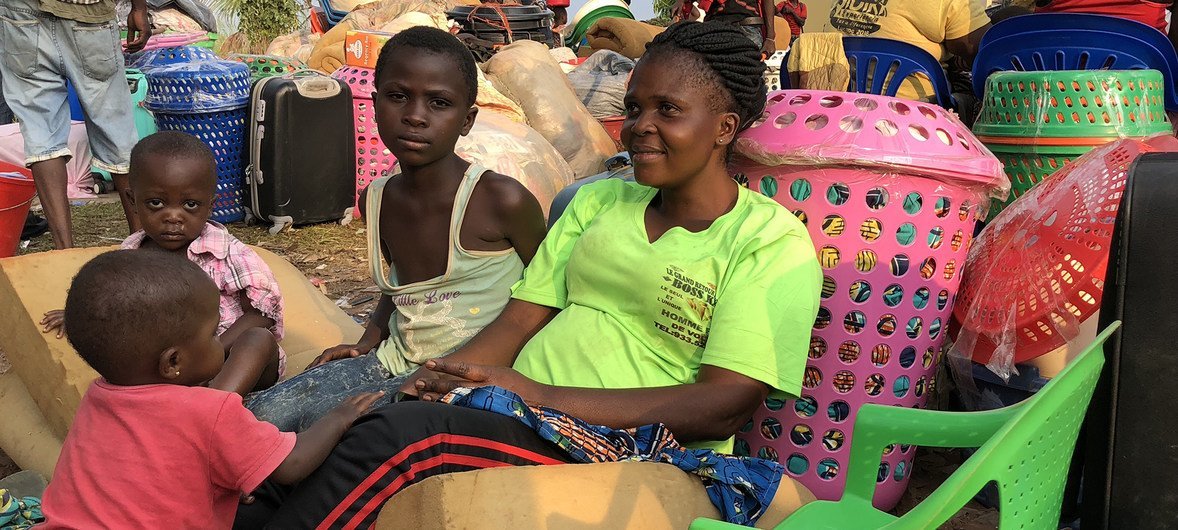
Tens of thousands of children who have been forcibly returned from Angola to the Democratic Republic of the Congo (DRC) need help urgently, UN Children’s Fund UNICEF said on Tuesday [30 October 2018].
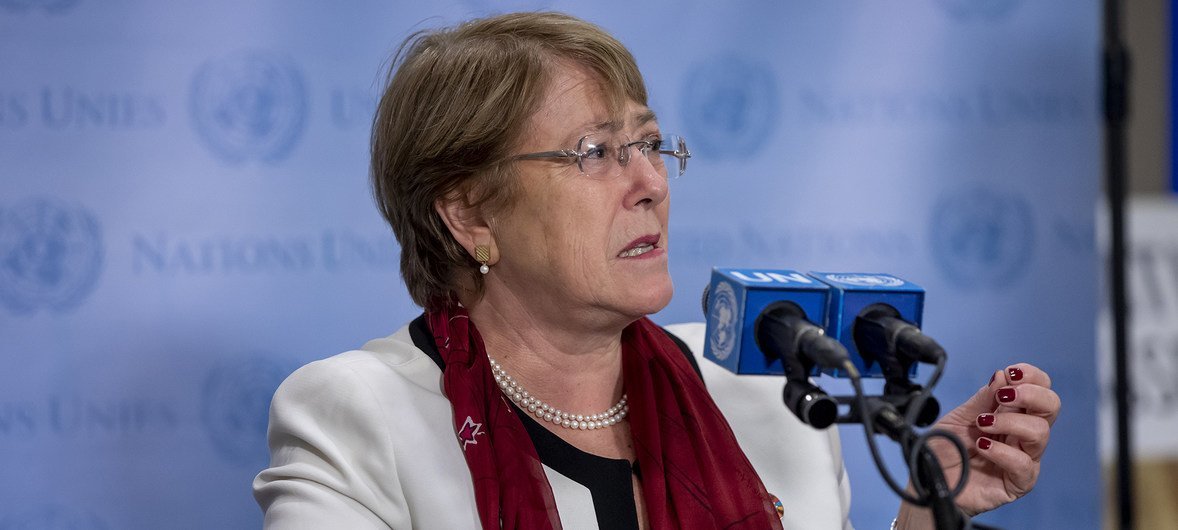
The United Nations human rights chief pressed on Tuesday [30 October 2018] for an impartial, investigation into the “shockingly brazen” murder of Saudi Arabian journalist, Jamal Khashoggi.
UN Photo/Laura Jarriel | Michelle Bachelet, United Nations High Commissioner for Human Rights at UN Headquarters in New York.
UN High Commissioner for Human Rights and OHCHR head Michelle Bachelet stressed that a full examination of, and accountability for, human rights violations committed against Mr. Khashoggi be conducted.
The journalist disappeared from the Saudi consulate in Istanbul on 2 October 2018.
According to news reports, Saudi officials now admit that he was killed inside the embassy by a team of agents sent from Riyadh, although his body has yet to be recovered.
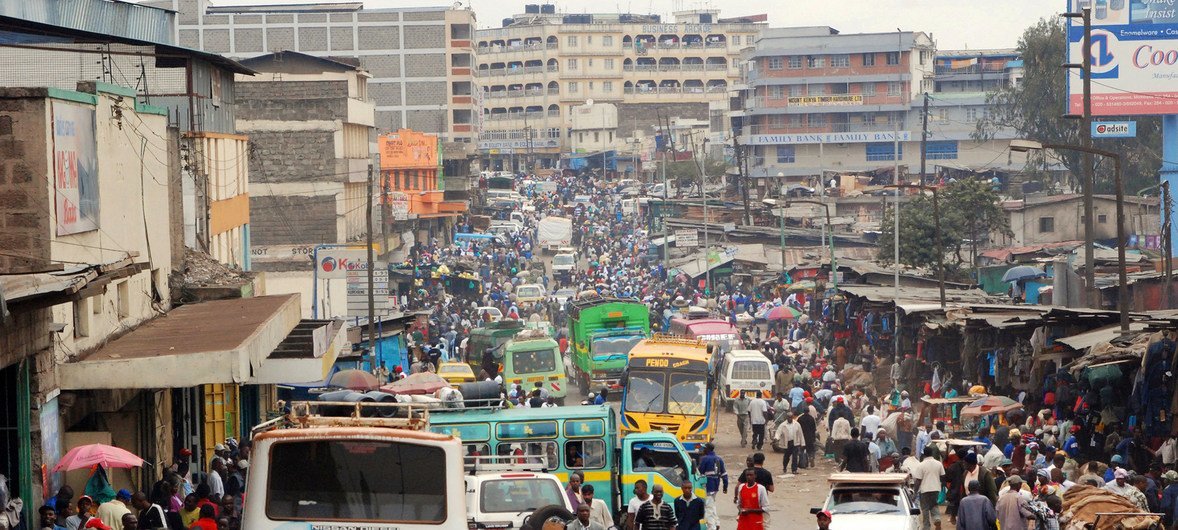
Over half the world’s population live in cities (55 per cent) and the world is urbanizing fast – by 2050 over two thirds (68 per cent) of the world’s population is projected to be urban – with 1.4 million people arriving in cities each week.
The migration of some 1.4 million people every week to cities around the world “can strain local capacities, contributing to increased risk from natural and human made disasters’” according to the United Nations Secretary-General António Guterres.
.
UN-Habitat/Julius Mwelu | Cities in developing countries like Nairobi in Kenya continue to grow rapidly.
In his message for World Cities Day, celebrated annually on 31 October, Guterres stressed that “hazards do not need to become disasters.”
“The answer is to build resilience – to storms, floods, earthquakes, fires, pandemics and economic crises,” he said.
The electoral authority announced the results at 7:00 p.m. local time after the closing of the last polling stations.
Supporters of Fernando Haddad, presidential candidate of Brazil’s leftist Workers Party (PT), react during a runoff election in Rio de Janeiro, Brazil. | Photo: Reuters | Photo from teleSUR.
28 October 2018 (teleSUR)* — Far-right politician Jair Bolsonaro has won the Brazilian presidential elections with over 55 percent of the vote beating leftist Fernando Haddad who scored 44.3 percent in the country’s most polarized elections in decades.
17 October 2018 (UN Environment)* — Ali Omar remembers a time when the practically bare patch of desert in northern Djibouti he calls home was a bustling seaside resort and the waters around it were teeming with fish. “Lots of people lived here and they had shops all along the seaside,” says 75-year-old Omar, recalling his hometown Khor Angar’s 1970s heyday, before it was hot year-round and the village had dwindled to just a few huts in the desert.
UN Environment / Hannah McNeish
“You used to need a jacket around here,” he says, squinting in the morning sun next to a sparkling shoreline, now empty apart from crabs scuttling to and from the froth. There used to be enough fresh water for all and so much seafood that planes would come from the capital to fill up with lobster, crab, fish and langoustine.
27 October 2018 (FAO)* — There is more than enough food produced today to feed everyone, yet about 821 million people are chronically undernourished. Achieving food security for everyone requires an integrated approach from all stakeholders, including from governments. Bringing the hunger number down to zero by 2030 will require appropriate legislation backed by the necessary budgets and proper monitoring, allowing for just and long-lasting legal frameworks.
26 October 2018 — Old, grainy film and video footage from years gone by, not only stirs powerful memories – it’s also a vital resource for future generations, the United Nations cultural agency has highlighted, urging everyone to safeguard audio-visual heritage and make archives more accessible.
.
UN Photo | Over 37,000 discs with audio recordings of meetings at the United Nations are part of the organization’s rich audio heritage.





 HUMAN WRONGS WATCH