4 September 2025 — In this Q&A, Human Rights Watch examines the application of the right to reparation to redress past and present harms stemming from colonial atrocities, including enslavement,[1]systemic racial inequalities, and other related human rights violations.
4 September 2025 — Rich countries have broken their climate finance promises to a key grouping of eight highly vulnerable African countries..
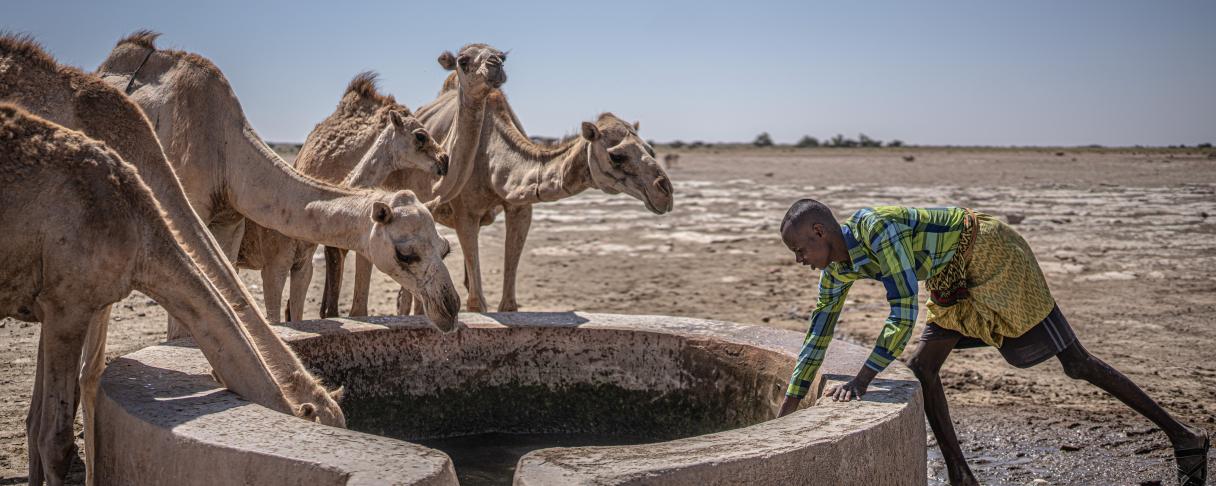
A group of shepherds and their livestock arrive in the community of Sincaro, in the Sanag region, Somalia, where Oxfam has built a water supply system for people and animals. Credit: Pablo Tosco/ Oxfam
Djibouti, Eritrea, Ethiopia, Kenya, Somalia, South Sudan, Sudan and Uganda – collectively called the IGAD region – have together received, on average, $1.7 billion annually, between 2013 to 2022, in “grant equivalents”, being the true value of climate support after interest and debt repayments.
UNITED NATIONS, Sep 4 2025 (IPS)* –– 2025 has been marked by a significant escalation of the climate crisis and its effects on vulnerable populations, as the World Meteorological Organization (WMO) warns that average global temperatures could exceed the 1.5°C threshold within the next five years.
.
A family prepares a banner to protest the effects of climate change on children outside their house in the village of Patzité, Quiché, Guatemala. Credit: UNICEF/Patricia Willocq
In Latin America and the Caribbean, rising temperatures and emissions continue to strain access to essential services and deepen poverty, particularly among children.Continue reading →
(UN News)* — Global education funding is facing sharp reductions that could leave an extra six million children out of school by 2026, the UN Children’s Fund (UNICEF) warned on Wednesday [3 September 2025].
Official Development Assistance (ODA) for education is projected to fall by $3.2 billion – a 24 per cent drop from 2023 – with just three donor governments accounting for nearly 80 per cent of the cuts.
Such a decline would push the number of out-of-school children worldwide from 272 million to 278 million, UNICEF said – the equivalent of shutting every primary school in Germany and Italy combined.
“Every dollar cut from education is not just a budgetary decision, it’s a child’s future hanging in the balance,” said UNICEF Executive Director Catherine Russell.
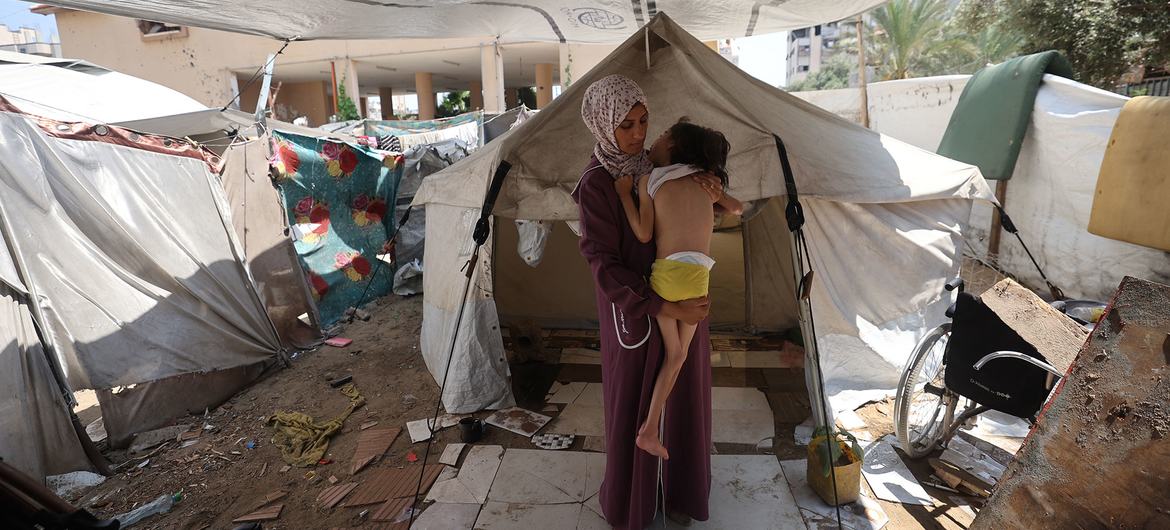
(UN News)* — Thousands of Palestinians have been caught in the crossfire while trying to escape attacks and dire food shortages in war-torn Gaza, with extraordinary challenges for some, according to latest reports from UN officials on the ground and the Committee on the Rights of Persons with Disabilities.
A 14-year-old girl with cerebral palsy who depends on a wheelchair was among crowds fleeing Israeli military aircraft operations east of Rafah in Gaza on 13 October 2023, said committee member Muhannad Salah Al-Azzeh, who presented a report on the occupied Palestinian territories on Wednesday [3 September 2025] in Geneva.
In the melee, she lost her wheelchair.
“She was crawling on the sand and asking her family, telling them ‘you can leave me here’ because she felt that she was slowing them down,” he said.
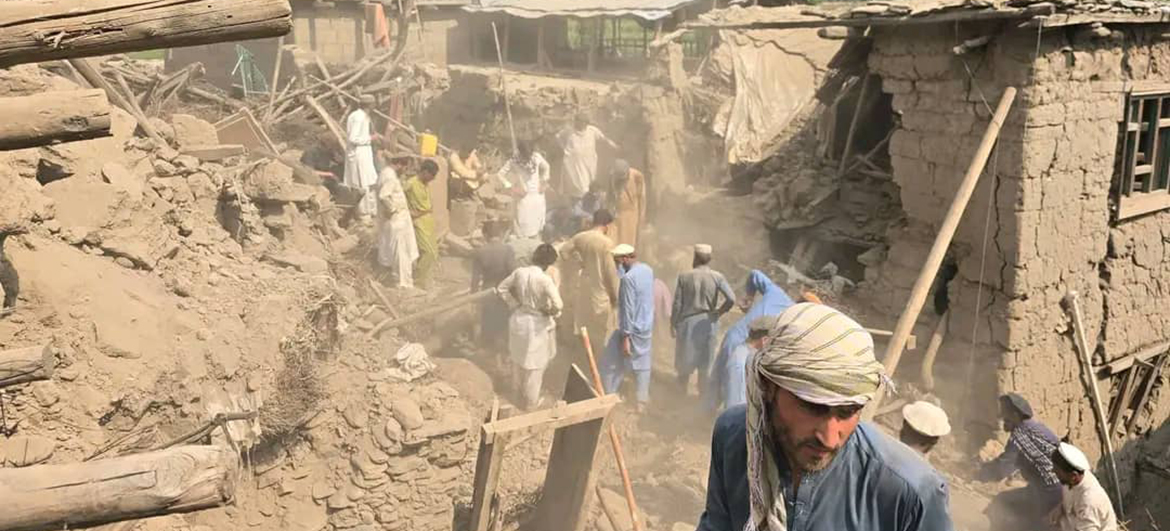
(UN News)* — A massive assistance mission for earthquake survivors continued in Afghanistan on Wednesday [] as aid teams tackled blocked roads and downed communications lines in a bid to reach the most remote communities still in need of help.
Latest updates from UN assessment teams who reached affected communities in mountainous Ghazi Abad district on foot on Tuesday [2 September 2025] underscored the urgent need to press on with the humanitarian response.
“The issue of getting people out from under the rubble is urgent,” said Salam Al-Jabani from the UN Children’s Fund, UNICEF, in Kabul.
“People are saying what is urgently needed is people to help us bury the dead and get them out.”
UNITED NATIONS, Sep 3 2025 (IPS)* –– Over the past decade, major strides have been made in expanding global access to water, sanitation, and hygiene (WASH) services, with billions of people around the world seeing improvements in overall health and well-being.
A woman pulls a floating toilet into the lake in Kaylar village in Shan State, Myanmar, on June 25, 2025. After the earthquake, the onset of the rainy season made access to safe sanitation challenging for displaced communities. Credit: UNICEF/Maung Nyan
Despite these gains, people largely from low-income countries and marginalized groups still lack access to clean water, leaving them vulnerable to disease and hindering social development and inclusion.Continue reading →
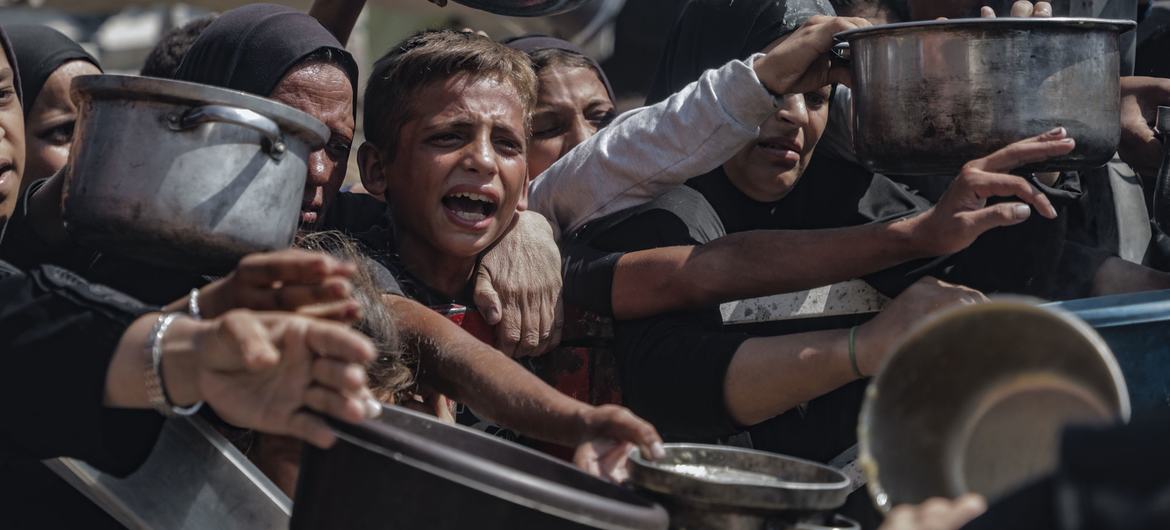
(UN News)* — Conditions in Gaza are worsening for Palestinians trapped amid spiralling hunger as Israel continues to block aid deliveries amid escalate attacks, according to the latest updates on Tuesday [] from UN agencies on the ground.
“Military activities continue in and around Gaza City, but also in the south, taking a heavy toll on civilians, including deaths, injuries and further displacement,” said UN Spokesperson Stéphane Dujarric at the daily press briefing in New York: “Our colleagues report that people continue to flee, mainly towards the coast.”
More than 76,000 people have been newly displaced since mid-August, with most occurring in the north, he said, citing the latest reports from UN agencies on the ground that are monitoring population movements. More than 23,000 people were displaced from northern Gaza.
TORONTO, Sep 2 2025 (IPS)* –– If European colonialism had never happened in Canada, matriarchy would still have been strong in Indigenous culture. Matriarchy was the backbone of society’s structure and line of dominance in Turtle Island (North America) before the arrival of Westerners.
.
Indigenous People’s Celebration in Canada. Photo courtesy of Chrystal Tabobandung
In practice, Indigenous women in Canada have been victims of violence and discrimination.
27 August 2025 — In Nigeria, land is more than property. It is identity, security, and livelihood.
But for many women and displaced people, especially in regions affected by conflict, land is also a source of uncertainty, dispute and exclusion.
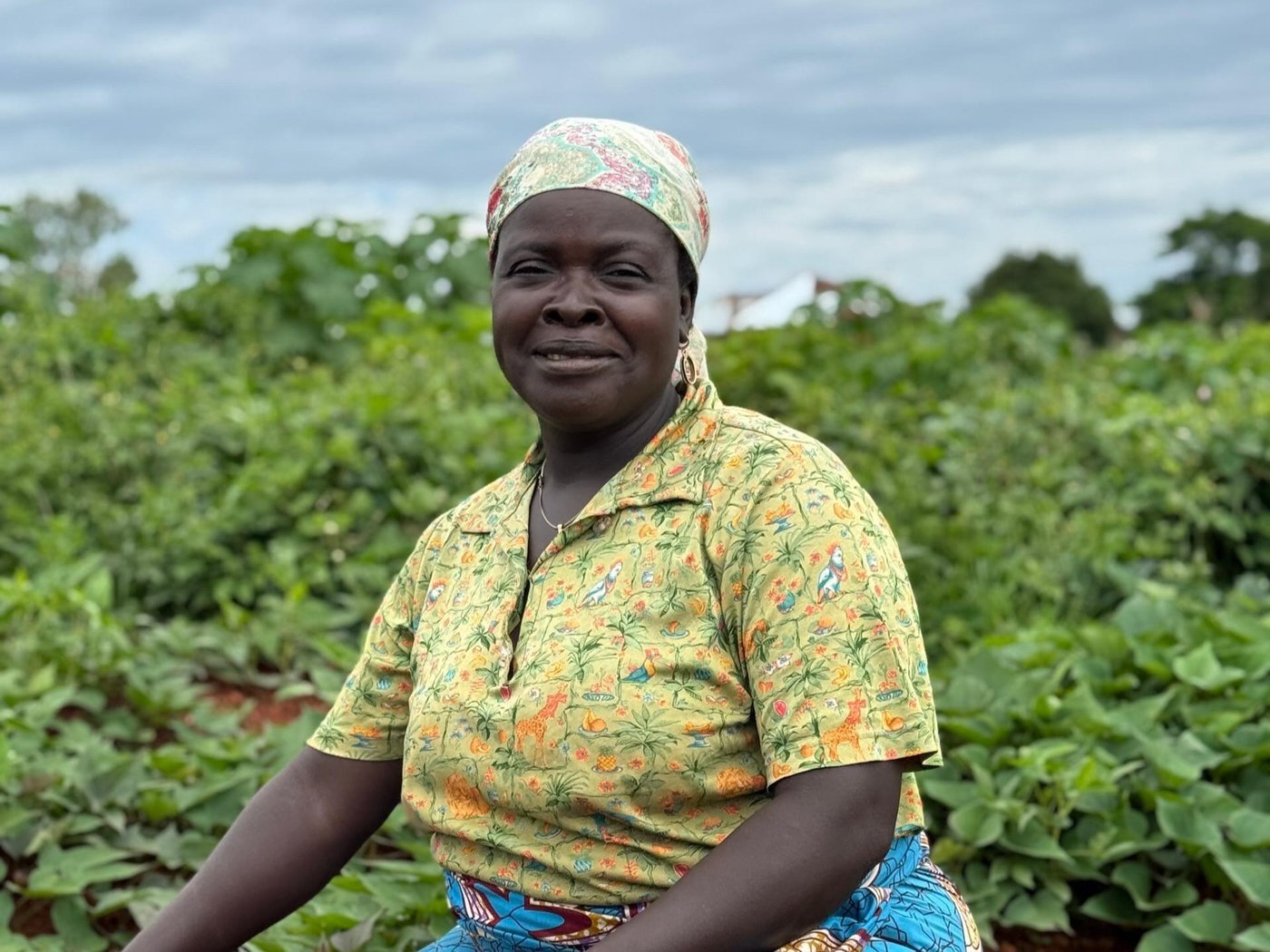
Sarah stands in front of her farm. She now has a document that secures her tenure for this land, and even her children can use it when needed. Photo: Kumbo Dung/NRC
With no formal documents to prove ownership, many live in fear of losing the little they have.





 HUMAN WRONGS WATCH