23/05/2021
.
Photo by UNEP / Lisa Murray
.
22 May 2021 (United Nations)* — As the global community is called to re-examine our relationship to the natural world, one thing is certain: despite all our technological advances we are completely dependent on healthy and vibrant ecosystems for our water, food, medicines, clothes, fuel, shelter and energy, just to name a few.
Posted in Africa, Asia, Climate Crisis, Latin America & Caribbean, Market Lords, Middle East, Migrants and Refugees, Mother Earth, Others-USA-Europe-etc., The Peoples |
Leave a Comment »
23/05/2021
New international expert panel to address the emergence and spread of zoonotic diseases

Geneva/Paris/Rome/Nairobi, 20 May 2021 (UNEP)* – International organizations have come together to launch a new One Health High-Level Expert Panel to improve understanding of how diseases with the potential to trigger pandemics, emerge and spread.
Continue reading →
Posted in Africa, Asia, Climate Crisis, Latin America & Caribbean, Market Lords, Middle East, Migrants and Refugees, Mother Earth, Others-USA-Europe-etc., The Peoples |
Leave a Comment »
23/05/2021
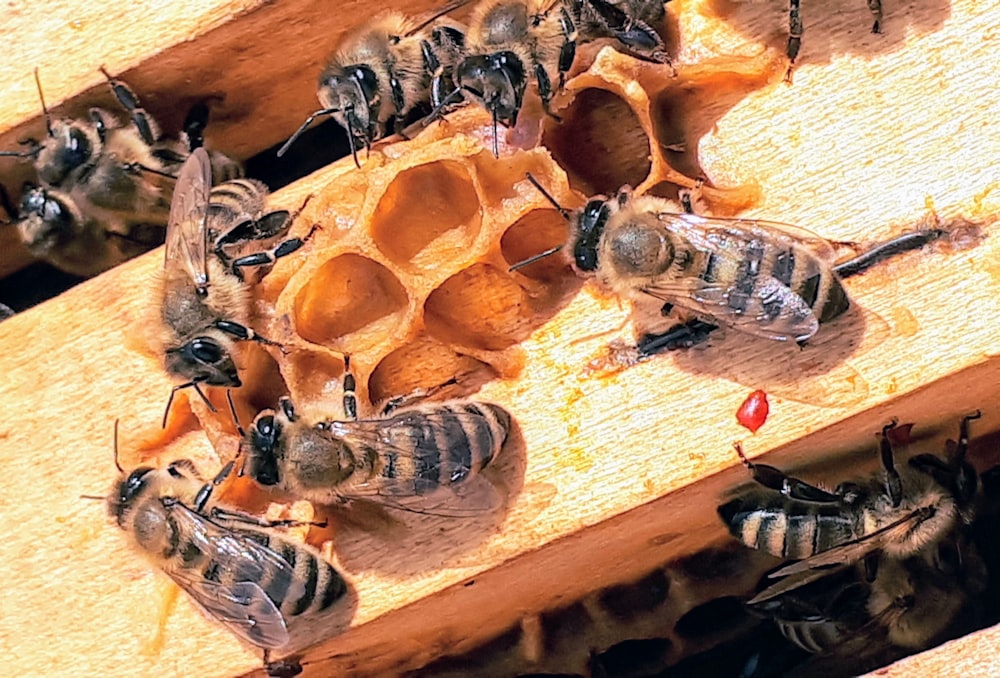
(UNEP)* — Bees and other pollinators are increasingly under threat from human activities. To raise awareness of the importance of pollinators and their contribution to sustainable development, the UN marks May 20 as
World Bee Day.
This year, the United Nations Environment Programme (UNEP) examines how a decades-old legacy of DDT use has imperilled Tajikistan’s bees and the actions being taken to reverse this trend.
Continue reading →
Posted in Africa, Asia, Climate Crisis, Latin America & Caribbean, Market Lords, Middle East, Migrants and Refugees, Others-USA-Europe-etc., The Peoples |
Leave a Comment »
20/05/2021
BRATISLAVA , May 18 2021 (IPS)* – Poverty and income inequality are being deepened as COVID-19 relief funds are handed out to large corporations instead of social protection programmes in developing countries, groups involved in a new study of COVID-19 bailouts have said.

Continue reading →
Posted in Africa, Asia, Latin America & Caribbean, Market Lords, Middle East, Migrants and Refugees, Others-USA-Europe-etc., The Peoples |
Leave a Comment »
20/05/2021
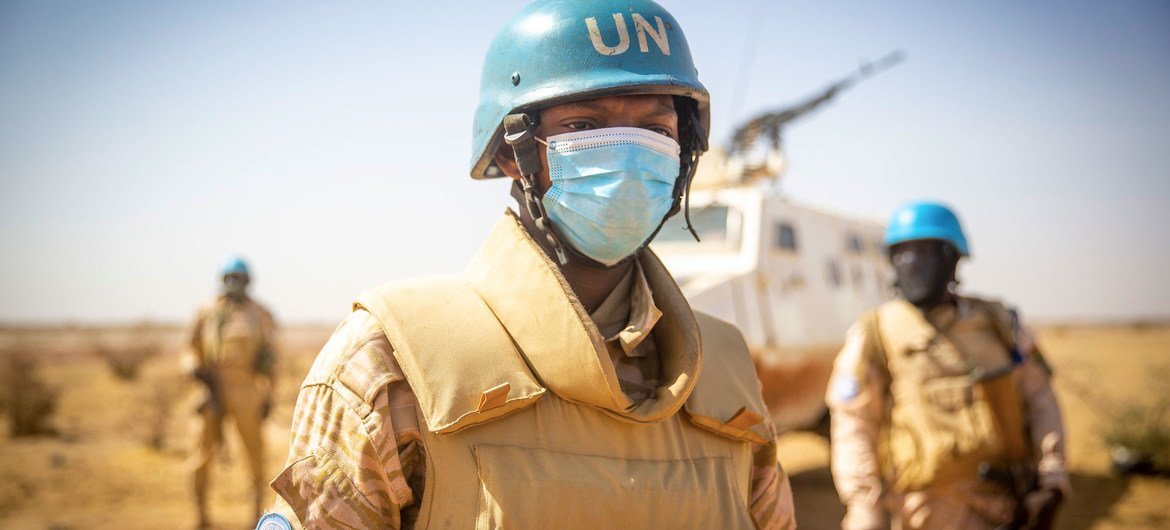
(UN News)* — Despite a deteriorating security situation and the reverberating effects of the COVID-19 pandemic, regional troops deployed to combat terrorists in Africa’s Sahel region have scaled up the tempo of their operations in recent months, efforts that must be matched by a spirit of solidarity among their global partners, the senior UN peacekeeping official on 18 May 2021 told the Security Council.
MINUSMA/Harandane Dicko | MINUSMA peacekeepers on patrol in Niafounké in Mali.
Jean-Pierre Lacroix, Under-Secretary-General for Peace Operations, told delegates that the fight against armed groups in the Sahel has intensified since late 2020.
.
He described the Joint Force first deployed in 2017 by the “Group of Five” (G-5) Sahel countries – Burkina Faso, Chad, Mali, Mauritania and Niger – as a vital part of the security response in the region.
Posted in Africa, Market Lords, Middle East, Migrants and Refugees, Mother Earth, Others-USA-Europe-etc., The Peoples, War Lords |
Leave a Comment »
20/05/2021
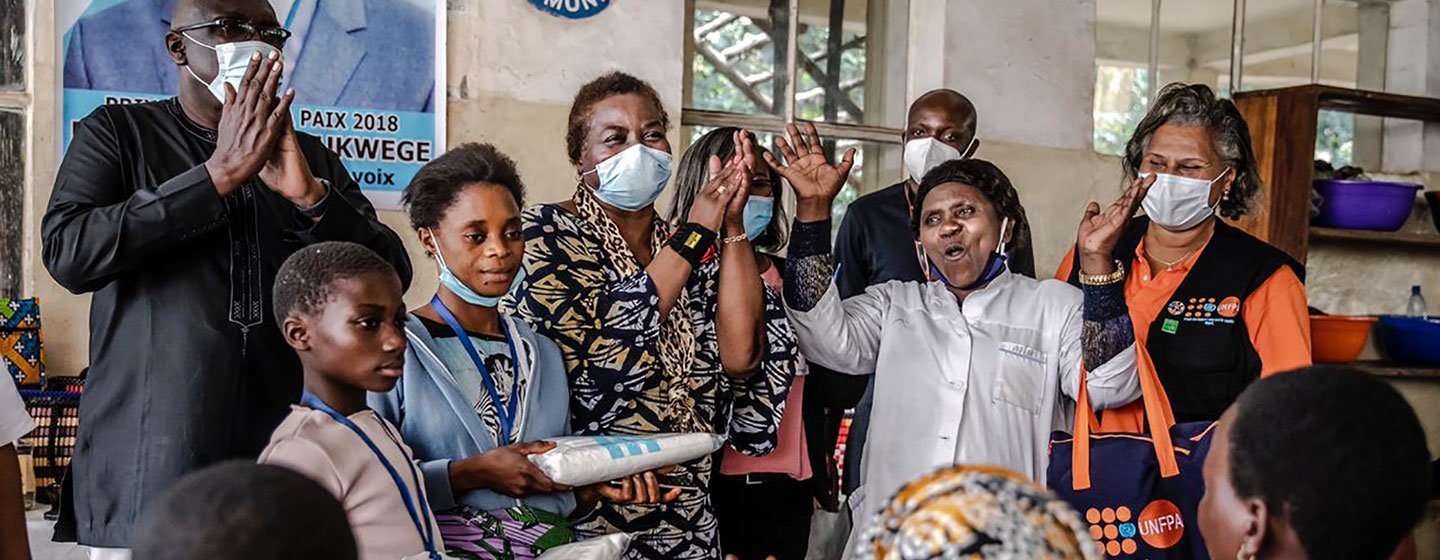
19 May 2021 (UN News)* — On a recent visit to the Democratic Republic of the Congo (DRC), Dr. Natalie Kanem, the head of the UN Population Fund (UNFPA), the UN’s sexual and reproductive health agency, bore witness to the horrific legacy of sexual violence in the country, which is undergoing one of the world’s longest-running humanitarian crises.
UNFPA/Luis Tato | UNFPA Executive Director Dr. Natalia Kanem visits a hospital in the Democratic Republic of the Congo.
‘The men broke my body and shattered my soul’
“We waited for hours in the distribution point until they eventually told us to go home. Hungry and empty-handed, I walked with three other women and two little girls. It was dusk, and I heard the little girls scream.
Continue reading →
Posted in Africa, Market Lords, Migrants and Refugees, Others-USA-Europe-etc., The Peoples, War Lords |
Leave a Comment »
20/05/2021
20 May 2021 (UNESCO)* — The International Decade for the Rapprochement of Cultures (IDRC) builds on the strong momentum created by and the achievements of both the International Decade for a Culture of Peace and Non-Violence for the Children of the World (2001-2010) and the International Year for the Rapprochement of Cultures (2010).
.
Posted in Africa, Asia, Latin America & Caribbean, Middle East, Others-USA-Europe-etc., The Peoples |
Leave a Comment »
20/05/2021

PHOTO: Illustration of hands (left): ©UNESCO Almaty. Photo (right): ©UNESCO/Venuca Evanan, Violeta Quispe and Gaudencia Yupari.
20 May 2021 (United Nations)* — Cultural events cancelled, cultural institutions closed, community cultural practices suspended, empty UNESCO World Heritage sites, heightened risk of looting of cultural sites and poaching at natural sites, artists unable to make ends meet and the cultural tourism sector greatly affected…
Continue reading →
Posted in Africa, Asia, Latin America & Caribbean, Market Lords, Middle East, Others-USA-Europe-etc., The Peoples |
Leave a Comment »
20/05/2021
Tea is currently grown in very localized areas, and supports over 13 million people, including smallholder farmers and their households, who depend on the tea sector for their livelihoods.
International Tea Day [21 May] is an opportunity to celebrate the cultural heritage, health benefits and economic importance of tea, while working to make its production sustainable “from field to cup” ensuring its benefits for people, cultures and the environment continue for generations.
Continue reading →
Posted in Africa, Asia, Climate Crisis, Latin America & Caribbean, Market Lords, Middle East, Mother Earth, Others-USA-Europe-etc., The Peoples |
Leave a Comment »
18/05/2021
KUALA LUMPUR, Malaysia, May 18 2021 (IPS)* – Millions of people are expected to die due to delayed and unaffordable access to COVID-19 tests, treatment, personal protective equipment and vaccines. Urgent cooperation is desperately needed to save lives and livelihoods for all.

Jomo Kwame Sundaram
Vaccine apartheid
Thus far, rich countries have bought up most available vaccine supplies.
By mid-April, rich countries had received more than 87 percent of the more than 700 million vaccine doses dispensed worldwide, while poor countries had received only 0.2 percent.
A quarter of the former’s population had been vaccinated compared to one in 500 of the latter’s!
By mid-May, less than a twelfth of the world’s population had been vaccinated, with ten rich countries getting four-fifths of all vaccines.
The Pfizer vaccine is mainly reaching the world’s rich.
Continue reading →
Posted in Africa, Asia, Climate Crisis, Latin America & Caribbean, Market Lords, Middle East, Migrants and Refugees, Mother Earth, Others-USA-Europe-etc., The Peoples, War Lords |
Leave a Comment »



 HUMAN WRONGS WATCH