Istaahil’s hard work, supported by an FAO-WFP project, allowed her to turn her garden into an entrepreneurial venture. ©FAO/Isak Amin
'Unseen' News and Views
Istaahil’s hard work, supported by an FAO-WFP project, allowed her to turn her garden into an entrepreneurial venture. ©FAO/Isak Amin
Bonn, 29 October 2020 (UNEP)* – Future pandemics will emerge more often, spread more rapidly, do more damage to the world economy and kill more people than COVID-19 unless there is a transformative change in the global approach to dealing with infectious diseases, warns a major new report on biodiversity and pandemics by 22 leading experts from around the world.
Rome (FAO)* — Efforts to restore the world’s degraded forests and landscapes must be scaled up to achieve the Sustainable Development Goals (SDGs) by 2030, said FAO in a new publication released on 28 October 2020.
Land and forest degradation are among the world’s most pressing environmental issues. Globally, 25 percent of the total land area has been degraded. To safeguard the future of our planet, major actions are needed to prevent, halt and reverse the degradation of ecosystems worldwide.

The global declaration of a La Niña event is used by governments to mobilize planning in climate sensitive sectors like agriculture, health, water resources and disaster management.

27 October 2020 (openDemocracy)* — Despite our best intentions, Trump’s name is on everyone’s lips, yet I have no interest in the sordid details of his psyche. His pathologies are a matter of indifference. It’s clear to me that he’s a violent, dangerous lunatic. His desperate attempts to win attention and adulation likely stem from abuse he suffered as a youth.
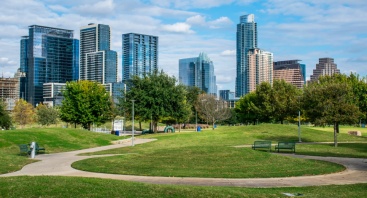
But the same concentration of people also makes cities the places where the battle for a green recovery from COVID-19 – which is essential to reduce future pandemic risks and fight climate change – can be won.
Cities are growing – and so is the opportunity to make them sustainable
Good urban planning, including promoting green spaces and sustainable food systems, can have a positive effect on food security and nutrition. It can also help to improve the livelihoods and well-being of people in urban and peri-urban communities. ©Roschetzky Photography/shutterstock.com
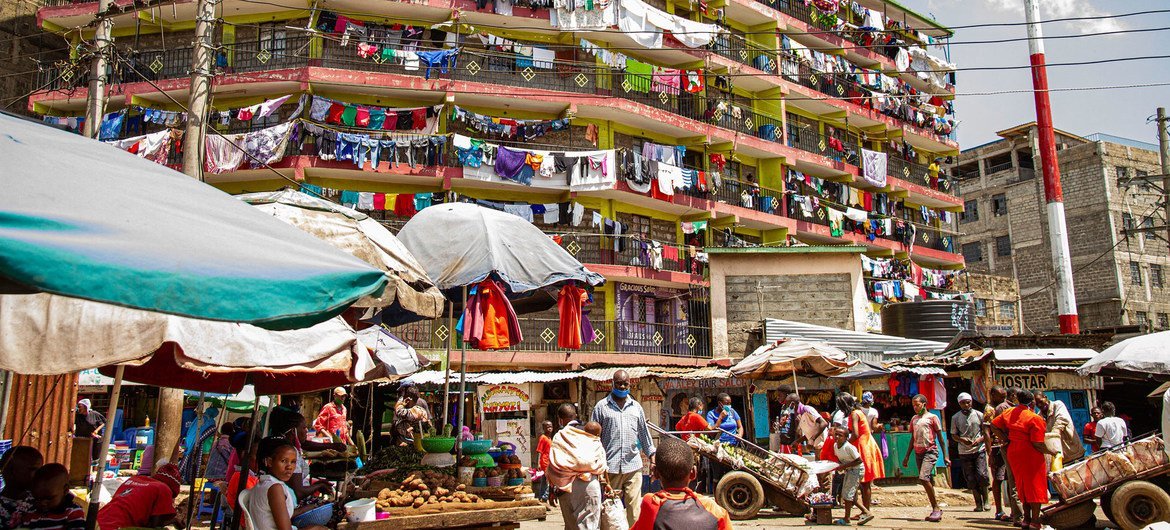
(By FAO)* — Over half of the world’s population now lives in cities. With that number expected to rise to 68 percent by 2050, urbanisation is one of the world’s most transformative trends. Continue reading

Over the past months, we’ve seen some of the richest countries in the world struggle with the effects of Covid-19 and the health and economic emergency it has brought in its wake. But at least they have the resources to cushion the blows, while poor countries face these huge threats with few resources.
Many countries are burdened with massive amounts of debt owed to richer countries, private banks and multilateral institutions. This has constrained their governments from being able to free up resources to spend on public prevention and response. Photo: Aurelie Marrier D’Unienville/OxfamWill we as a nation remain submerged in the racism that characterized 1920 America?

26 October 2020 (Wall Street International)* — There are amazing and almost eerie parallels between where America finds itself in 2020 and where the nation was a century ago. In 1920, one hundred years ago, America was in the midst of a pandemic, racial conflict, and a contentious presidential election.