Human Wrongs Watch
.
'Unseen' News and Views
Cox’s Bazar, 21 December 2018 (IOM)* — Work has begun on one of the largest bamboo treatment plants ever installed in an emergency response, as IOM experts tackle a tiny insect that is devastating structures in the world’s biggest refugee settlement.

Bamboo becomes insect-resistant when soaked in a chemical solution for 12 -14 days. Photo: IOM/Abdullah Mashrif
An infestation of “boring beetles” means the bamboo in almost every shelter in the Rohingya refugee camps in Cox’s Bazar – home to around 240,000 families – needs to be replaced.
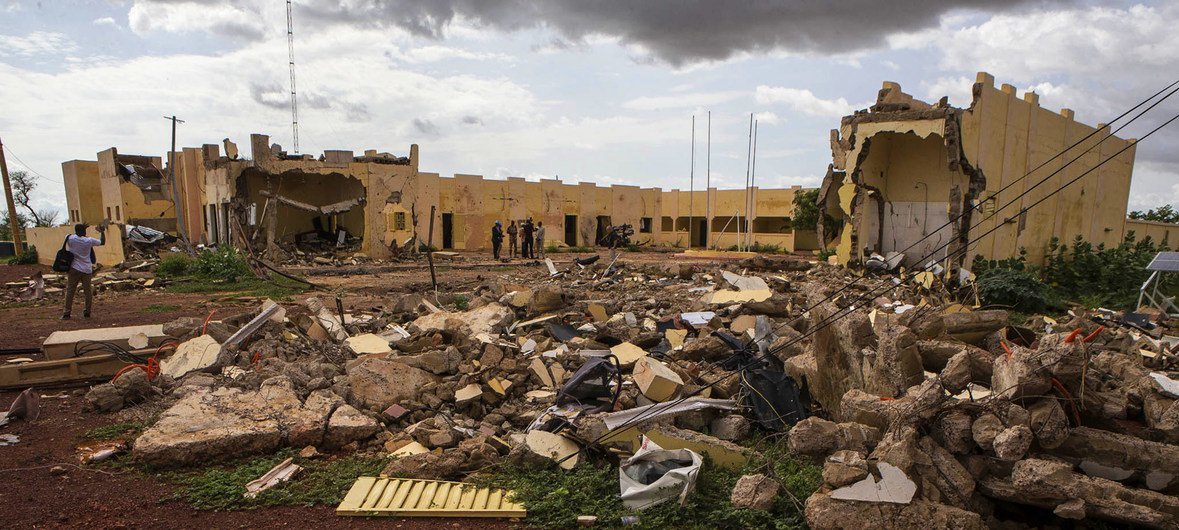
Efforts to address the multiple challenges facing Africa’s Sahel region should be driven by local, regional and national leadership, with the support of international partners as required, the United Nations Special Adviser for the region on 20 December 2018 said.
21 December 2018 (UN Environment)* — Ukraine, dubbed the breadbasket of Europe, is a grain-producing country that feeds people in European markets and beyond. Its fertile great plains stretch as far as the eye can see, undulating grains interlaced with family-owned dachas each with its own fruit and vegetable patch. In 2018, Ukrainian farmers cultivated a total of 30 million hectares of land, an area about the size of Italy.

Viacheslav Dzhulai manages a 370-hectare farm in central Cherkasy: “We grow soybeans and corn, which we then use for feeding livestock,” he says.

– The UN’s major donors – led by the United States – have long been accused of influence-peddling and misusing their financial clout not only to grab some of the high ranking jobs in the world body but also threaten funding cuts to push their own domestic agendas.

The Trump administration’s plan to reduce its 22% assessed contributions to the world body –- mandatory payments to the UN’s regular budget– has helped resurrect a 1985 suggestion by the late Swedish Prime Minister Olof Palme who proposed a new system of financing the UN.
The Palme proposal did not renounce the existing “capacity to pay” formula, but suggested there should be a cap of 10 percent maximum for any one country.
An innovative finance project in Indonesia is providing jobs while preserving the habitat of endangered species.

18 December 2018 (UN Environment)* – Sri Hartiwi, a rubber tapper in Indonesia’s Jambi Province on the island of Sumatra, has a demanding routine. Her day starts at 3.30 a.m. when she cooks for the family and goes off to work in a plantation till 1.00 p.m. She gets a holiday on Sundays.
Her family—her husband, a cleaner in a private company, and two children—don’t own any land, making the income earned from rubber tapping critical for the household’s daily needs.
A “nefarious” bill on ‘life and family’ is the first-ever drafted by the country’s evangelical churches, reflecting their growth – and ambition.
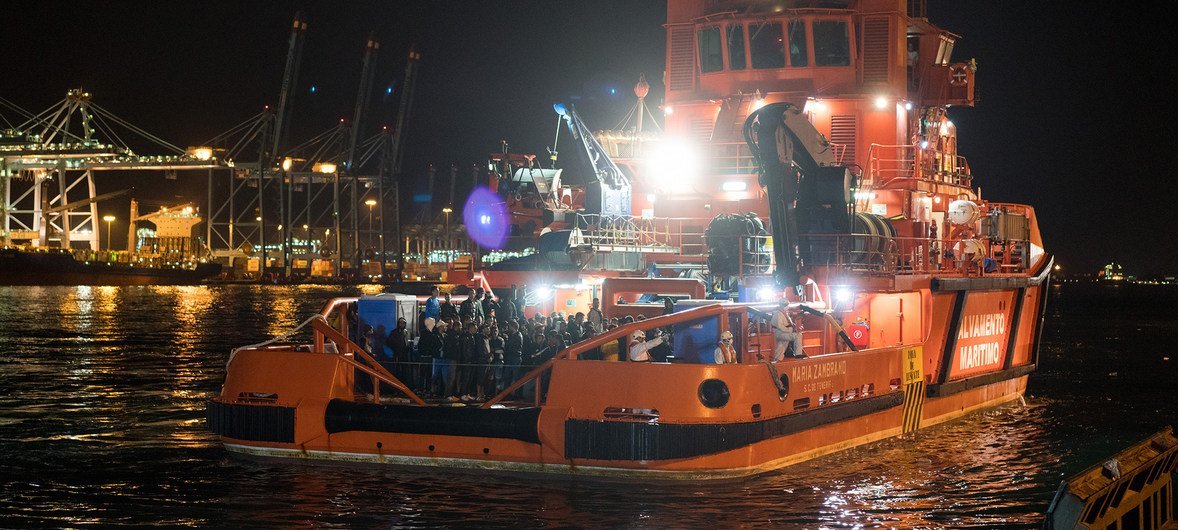
Migrants and refugees are being subjected to “unimaginable horrors” from the moment they enter Libya, throughout their stay in the country and – if they make it that far – during their attempts to cross the Mediterranean, according to a report released on 20 December 2018 by the United Nations political mission in Libya (UNSMIL) and the UN human rights office (OHCHR).
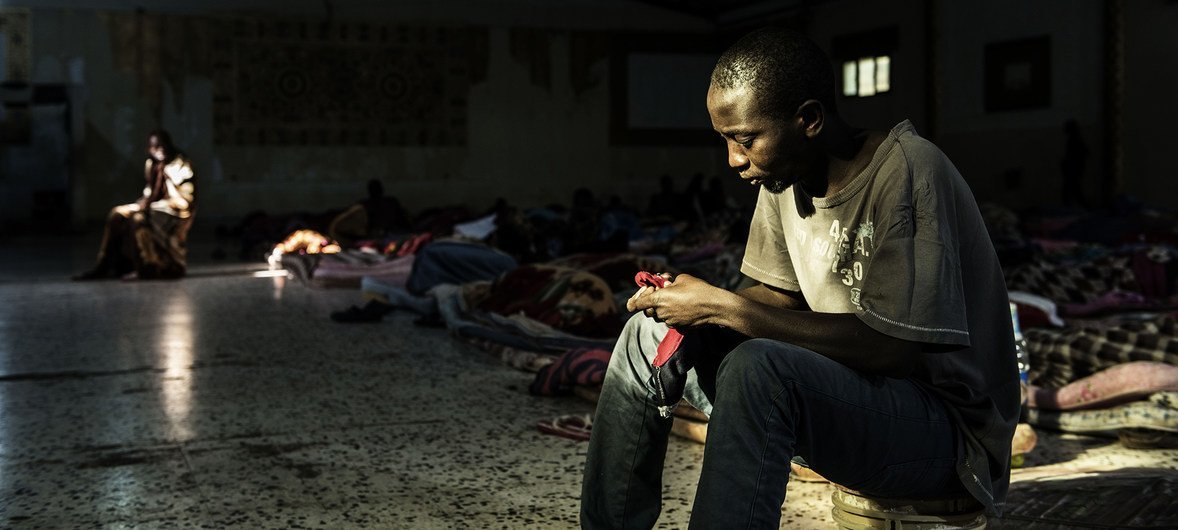
 Illustration by Carys Boughton. (CC BY-NC 4.0)
It is by now widely recognised that effectively tackling forced labour in the global economy means addressing its ‘root causes’. Policymakers, business leaders and civil society organisations all routinely call for interventions that do so.[1, 2]Yet what exactly are these root causes? And how do they operate?

 HUMAN WRONGS WATCH