03/03/2019
3 March 2019 – Many people live with unidentified hearing loss, often failing to realize that they are missing out on certain sounds and words. To address this problem, the World Health Organization (
WHO) is urging people on this year’s World Hearing Day, held on March 3, to check their hearing.
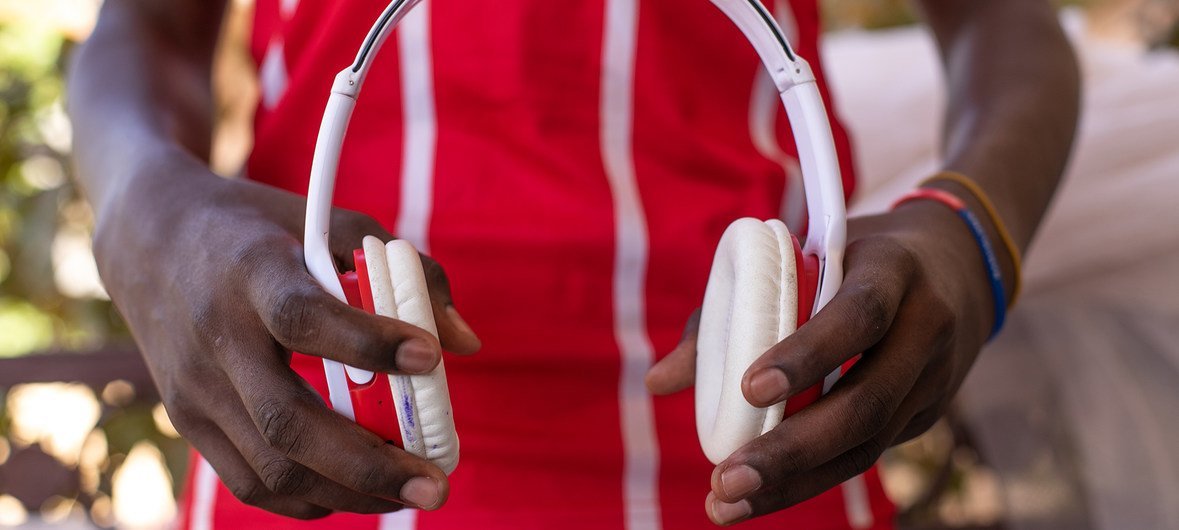
© UNICEF/UN0264260/Haro | Mebratu also known as ‘Tanki’ by his friends, is a 16-year-old boy from Eritrea. Music is one his greatest passions. He loves to listen to Eritrean traditional songs in his headphones found on his journey to Niger.
Worldwide, some 466 million people have disabling hearing loss, and the WHO estimates that by 2050 that figure will almost double, affecting one in 10 people. The cost of unaddressed hearing loss is believed to be around US$ 750 billion.
Posted in Africa, Asia, Latin America & Caribbean, Market Lords, Middle East, Migrants and Refugees, Others-USA-Europe-etc., The Peoples |
Leave a Comment »
03/03/2019
1 March 2019 (FAO)* — Knocking on closed doors is something Renu Bala is very good at.
.
Renu Bala is one of thousands of Bangladeshi farmers befitting from agricultural investment programmes supported by FAO with funding from the Global Agriculture and Food Security Program (GAFSP). ©FAO/Mohammad Rakibul Hasan
.
First, it was the doors of her neighbours in Panjor Bhanga, her home village in northern Bangladesh. She had an idea for them: what if they formed a milk cooperative?
They didn’t have much to lose. “The women of this village are very poor and raise only local Deshi cattle,” Renu explains. “I thought that if I could start a dairy business, and encourage other women to join, if I could make them aware, then we could all profit.”
read more »
Posted in Africa, Asia, Latin America & Caribbean, Market Lords, Middle East, Others-USA-Europe-etc., The Peoples |
Leave a Comment »
03/03/2019
“Adults — if you feel uncomfortable now, you’re going to feel uncomfortable for a while. Because we’re never going to back down.”
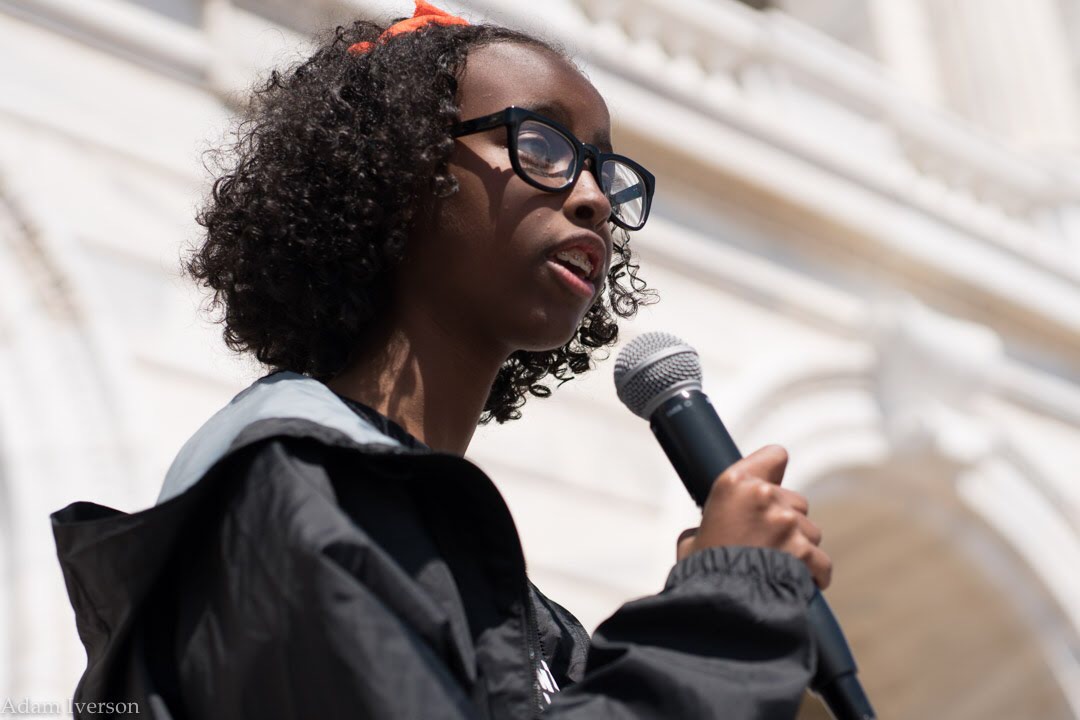
Isra Hirsi just turned 16 years old. To celebrate, she came home from school and spent three hours on conference calls.
Isra, a student at South High School in Minneapolis, is one of thousands of students around the world planning a massive Youth Climate Strike for March 15. With a few weeks to go, there are already strikes planned for 47 countries and almost all 50 states. Isra is one of three organizers who are bringing the movement — inspired by Swedish activist Greta Thunberg’s weekly climate strikes — to the United States.
read more »
Posted in Africa, Asia, Latin America & Caribbean, Market Lords, Middle East, Migrants and Refugees, Mother Earth, Others-USA-Europe-etc., The Peoples, War Lords |
Leave a Comment »
03/03/2019
As the Samburu fight for control over natural resources, Samburu women are demanding to be heard
1 Match 2019 (UN Environment)* — The Samburu, a pastoralist indigenous tribe from the vast semi-arid and arid rangelands of Northern Kenya, face many of the same challenges as other indigenous communities around the world.
They have few opportunities to influence or manage activities that affect their environment, and insufficient information and understanding of their entitlements and rights when large development and infrastructure projects come to do business on their lands.
read more »
Posted in Africa, Asia, Latin America & Caribbean, Market Lords, Middle East, Mother Earth, Others-USA-Europe-etc., The Peoples |
Leave a Comment »
03/03/2019
1 Match 2019 (UN Environment)* — Wild for Life is UN Environment’s campaign against illegal trade in wildlife. International and national laws protect many species because their populations are at risk. If animals, plants or their parts are taken from the wild or killed, then they are part of the illegal trade.
This trade is not only pushing species to the brink of extinction, it also poses environmental, economic, development and security risks.
read more »
Posted in Africa, Latin America & Caribbean, Market Lords, Middle East, Mother Earth, Others-USA-Europe-etc., The Peoples |
Leave a Comment »
03/03/2019
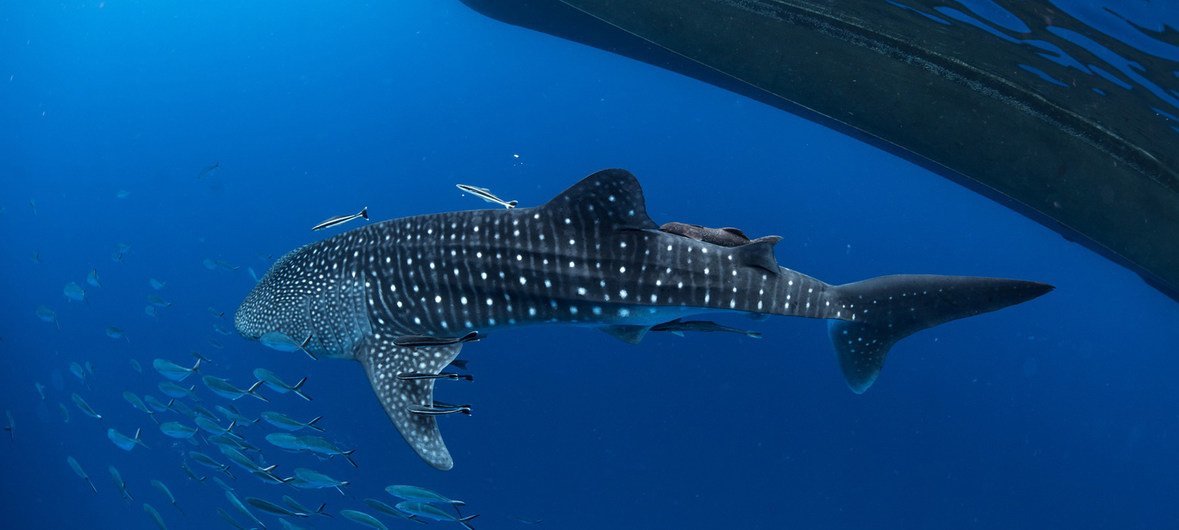
Underwater life is severely impacted by an “onslaught of threats,” but we already have the tools to positively influence ocean conservation, the UN said in a statement marking 2019 World Wildlife Day [3 March] which, this year, is celebrated under the theme “Life Below Water: for people and planet.”
UNDP Thailand | Whale shark in southern Thailand. The theme of the world wildlife day is: ‘Life below water: for people and planet’
.
This is the first time that World Wildlife Day has focused on life below water, the crucial importance of marine species to human development, and how we can continue to save marine biodiversity for future generations.
Posted in Africa, Asia, Latin America & Caribbean, Market Lords, Middle East, Mother Earth, Others-USA-Europe-etc., The Peoples |
Leave a Comment »
 HUMAN WRONGS WATCH