UNITED NATIONS, Mar 7 2019 (IPS)* – The United Nations, which diligently monitors human rights violations worldwide, believes that centuries-old slavery still exists worldwide—largely as human trafficking.
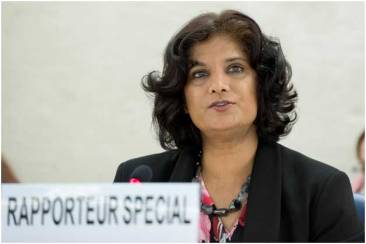
Urmila Bhoola, UN Special Rapporteur on Contemporary Forms of Slavery
The UN mandate on “contemporary forms of slavery” includes, but is not limited to, issues such as: traditional slavery, forced labour, debt bondage, serfdom, children working in slavery or slavery-like conditions, domestic servitude, sexual slavery, and servile forms of marriage, according to Urmila Bhoola of South Africa, the UN Special Rapporteur on Contemporary Forms of Slavery.
4 March 2019 (Wall Street International)* — Most of us have experienced the numbing shock at the announcement of the unexpected death of a friend or relative. What is its meaning and significance for us? Do we regret the way we treated the person in question?
Death comes as an intrusion into the routine of our daily lives, sometimes forcing us to adapt radically; in any event encouraging us to ask some of the deepest questions about life and its purpose.
A subject which is normally dismissed as “morbid” pushes to the front of the stage and demands consideration.
7 March 2019 (UN Environment)* — Cooling and heating are—for those lucky enough to have them—a lifesaver, keeping children healthy, vaccines stable, food fresh, energy supplies stable, economies productive and environments clean.
But there is a cruel irony at play. Cooling and heating systems consume over 50 per cent of building energy and run largely on fossil fuels—at a level of 84 per cent in the European Union, for example. Consequently, they are pushing our planet’s temperature up to dangerous levels.
6 March 2019 (UN Women)* — When dusk sweeps down El Alto, surrounded by the Andes mountains, women are unlikely to be seen on darkening streets.
Market woman in El Alto, Bolivia. Photo: UN Women/Elena Hertz
.
That’s because most women and girls are told to stay inside after dark, for their safety. Still, some women simply can’t avoid it.
“It affects us a lot,” explains Rosa Juana Quispe Vargas, a 42-year-old local vendor, single mother and community leader in the Lotes y Servicios zone of El Alto.
(Oxfam)* — Gender inequality is one of the oldest and most pervasive forms of inequality in the world. It denies women their voices, devalues their work and make women’s position unequal to men’s, from the household to the national and global levels.
.
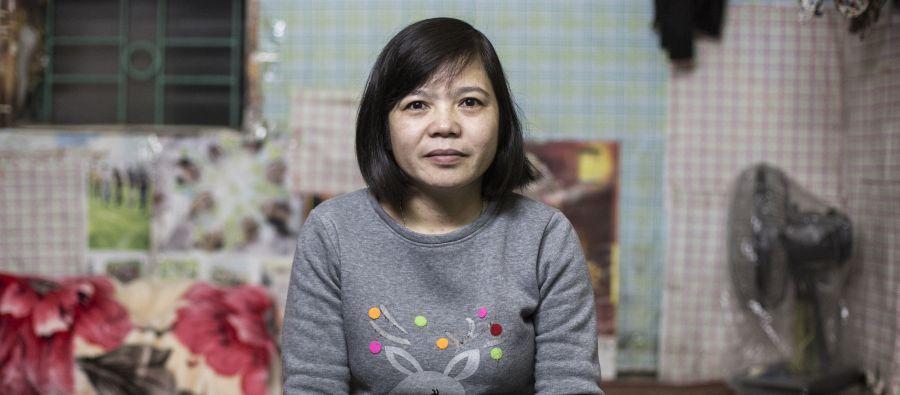
Hoan works at the Tinh Loi Garment Factory, in North Vietnam, where she works on average 62 hours each week, earning around $1 an hour, packaging t-shirts and shirts for global export. Photo: Adam Patterson/Oxfam
Despite some important progress to change this in recent years, in no country have women achieved economic equality with men, and women are still more likely than men to live in poverty.
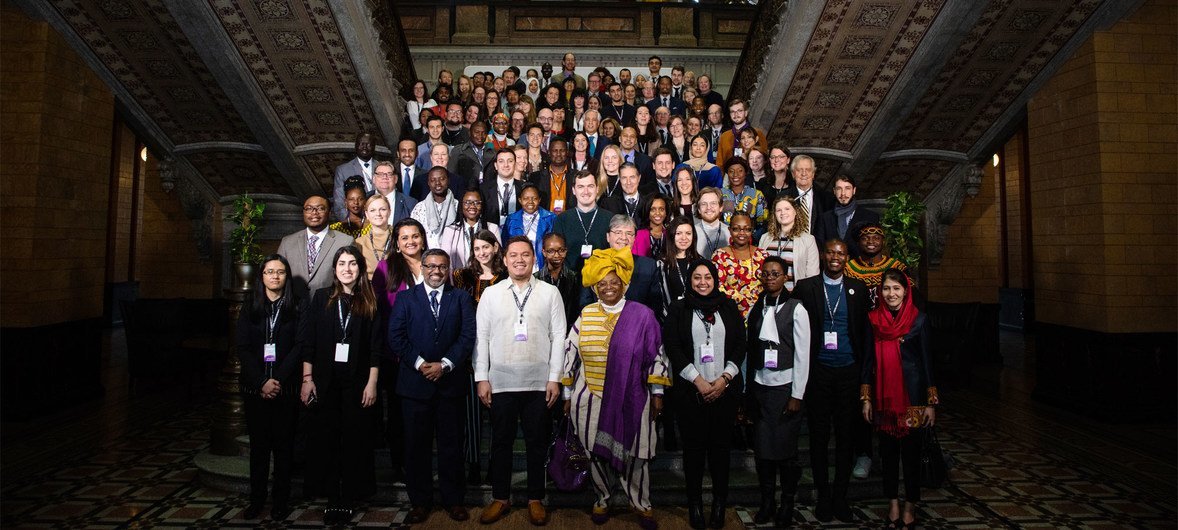
For the first time ever, youth from the frontlines of conflict have joined mediators, researchers and Government representatives at an international conference, to discuss new and innovative ways for young people to contribute to peace processes.
UN Youth Envoy/Nikke Puskala | First International Symposium for Youth Participation in Peace Processes takes place in Helsinki, Finland. March 2019
The First International Symposium on Youth Participation in Peace Processes concluded on Wednesday [6 March 2019] in Helsinki, Finland, with a global policy paper, according to reports, that aims to integrate their efforts, interventions and contributions towards sustaining the search for peaceful solutions to conflict.
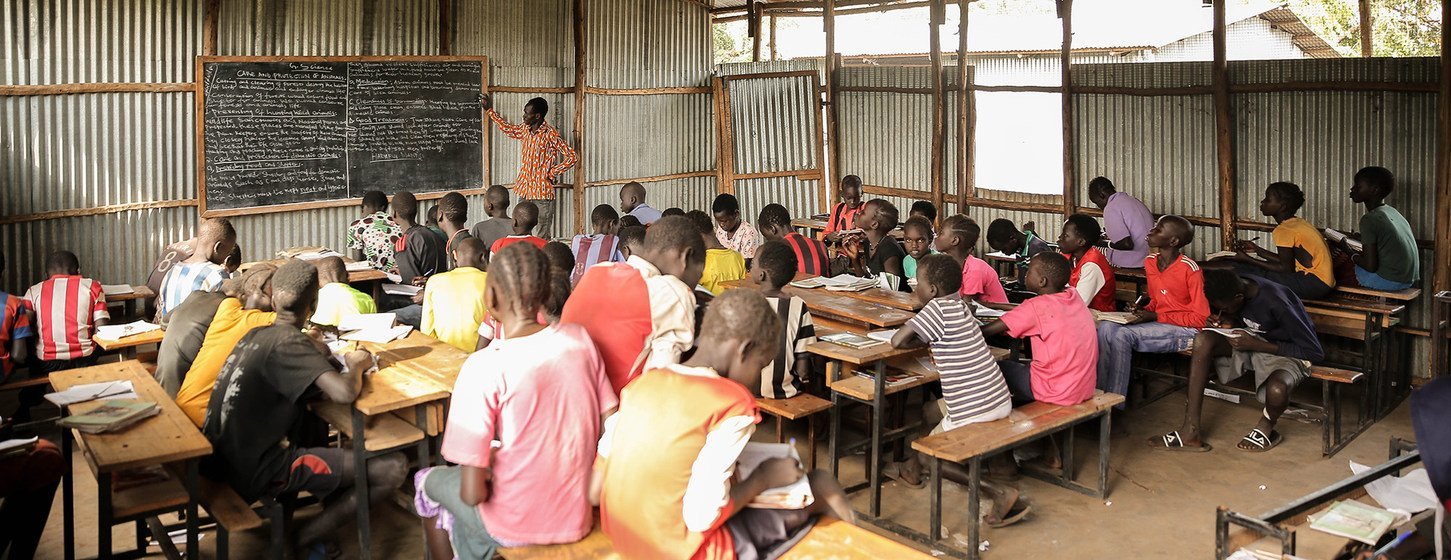
6 March 2019 — The older refugee and migrant children get, the less likely it is that they will get a quality education: less than a quarter of the world’s refugees make it to secondary school, and just one per cent progress to higher education. Even for migrants who settle in wealthy, developed host countries, accessing university is an uphill struggle.
UNICEFEthiopia/2018/Mersha | Students learning in Makod Primary and Secondary School in Tierkidi Refugee Camp, Gambella Region, Ethiopia.
For many young migrants in the UK, even those who have the legal right to remain in a new country, the idea of going to university is almost an impossible dream: not only are they are charged “overseas student” fees, which can be around double those of “home” students but, until recently, they were denied access to student loans, which puts up another barrier to entry.



 HUMAN WRONGS WATCH