Under the Trump administration, the United States is engaging in a renewed nuclear arms race, spending nearly $100,000 of taxpayer funds every minute to upgrade its nuclear weapons arsenal.
ICAN on 13 November 2019 released a new report, titled “Schools of Mass Destruction: American Universities in the U.S. Nuclear Weapons Complex,” that details the ways in which roughly 50 American colleges and universities are supplying the scientific, technical and human capital necessary to maintain and expand U.S. weapons of mass destruction.
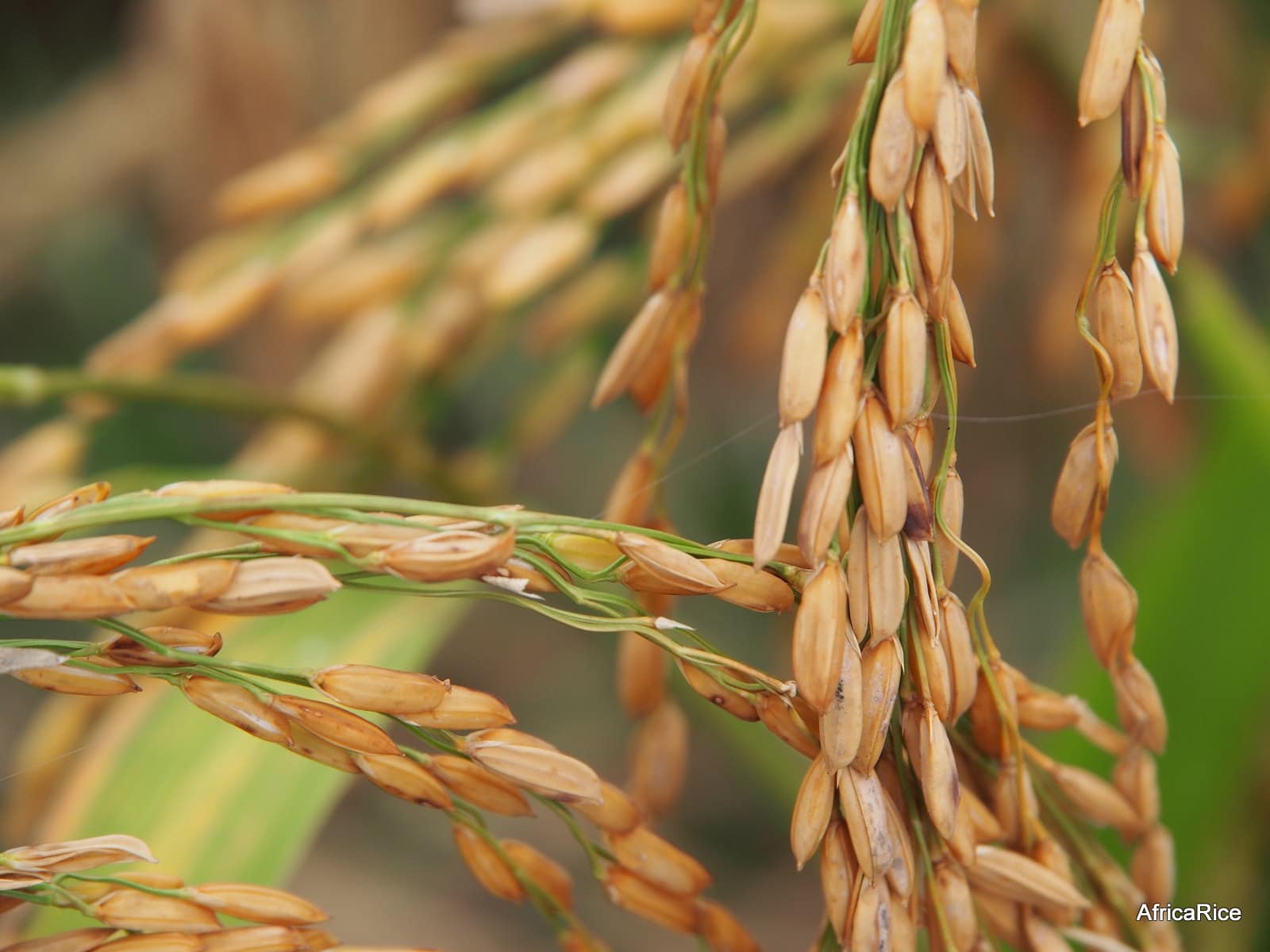
November 2019 (CGIAR)* — What tiny object is capable of lifting millions of people above the poverty line and into food security? The answer can be found within a single grain of the many improved varieties of rice being adopted across sub-Saharan Africa.
.
Improved varieties of rice developed by CGIAR scientists are bringing hope to millions of small-scale farmers in the region, according to an assessment of 16 countries.
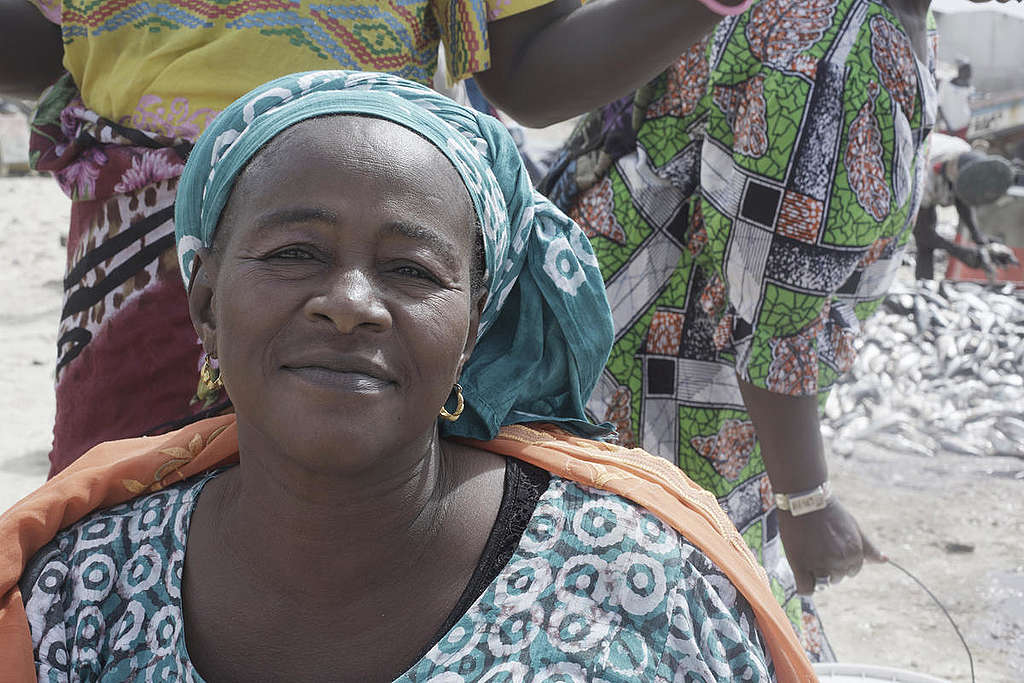
(Greenpeace International)* — “What are we going to do if we can’t process fish? How will we take care of our families and our children’s education?”
Women fish processors from the Mantulaye Dieye fish market of Cayar, Senegal, are against the expansion of fishmeal factories in the region.
This is what the women of West Africa are telling me again and again, when I meet them to share thoughts about the concerning expansion of fishmeal factories in the region. Tonnes of fresh fish are being sucked up by a wasteful industry, to feed animals in Europe and Asia. These are also the concerns they are sharing today, on World Fisheries Day.
This is a summary of what was said by Fran Equiza, UNICEF Representative in Syria – to whom quoted text may be attributed – at today’s press briefing at the Palais des Nations in Geneva.
UNICEF/UNI214011/Souleimain/AFP-Services
GENEVA, 21 November 2019 (UNICEF)* — “With more than 5 million children in need of humanitarian assistance inside Syria, including 2.6 million internally displaced children: the scale, severity and complexity of the crisis is staggering.
On 6 August 1945 the atomic bomb was dropped on Hiroshima which immediately killed 80,000 people with tens of thousands more dying later as a result of radiation.
Prof. Vandana Shiva
As we remember the innocent victims, let us also think of the innocent victims killed in concentration camps and during the war as a result of the chemicals of war of the Poison Cartel.
This war and the poisoning continues.
These war technologies gave rise to chemical-based industrial agriculture, which is continuing to kill millions of species, driving the sixth mass extinction.
Species are disappearing at 1000 times the normal rate as toxics and poisons spread to every corner of the world.
The Amazon and Argentinian forests and savannas, so rich in biodiversity, are being destroyed to grow GMO soya.
November 2019 (FAO)* — At dawn, the water here in Senegal glimmers with orange reflections.
Astou, a young ecologist, is in the Djoudj National Bird Sanctuary to take part in the annual waterbird count. Her excitement is evident as she’s been waiting for this moment for over a year.
21 November 2019 (UN Environment)* — Since Louise won the Young Champions of the Earth prize, much has happened. A quick glance at her greenhouse shows the massive interest in growing cacao in the last few months alone. The previously stocked space is now empty.
Photo by The Cacao Project (Photo posted here from UN Environment).
“Finding new ways of ensuring food security is one of the most defining challenges of our time. We need the creativity and innovation from youth to help all of us to restore soils, stabilize the climate and save biodiversity,” said Tim Christophersen, Head of Fresh Water, Land and Climate at UN Environment Programme.



 HUMAN WRONGS WATCH