Hind Khoudary, with the World Food Programme in Gaza, recounts hard days in the strip during and after a brief humanitarian pause.
.
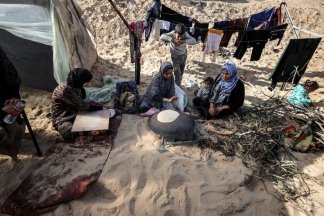
After seven weeks of relentless bombardment that left 80 percent of Gaza’s population – 1.8 million people – displaced, trapped and acutely hungry, a week-long humanitarian pause came into effect offering a temporary respite and allowing some aid into the small, decimated and fully-deprived enclave where food, water, medicine and any of life’s necessities are dangerously low.
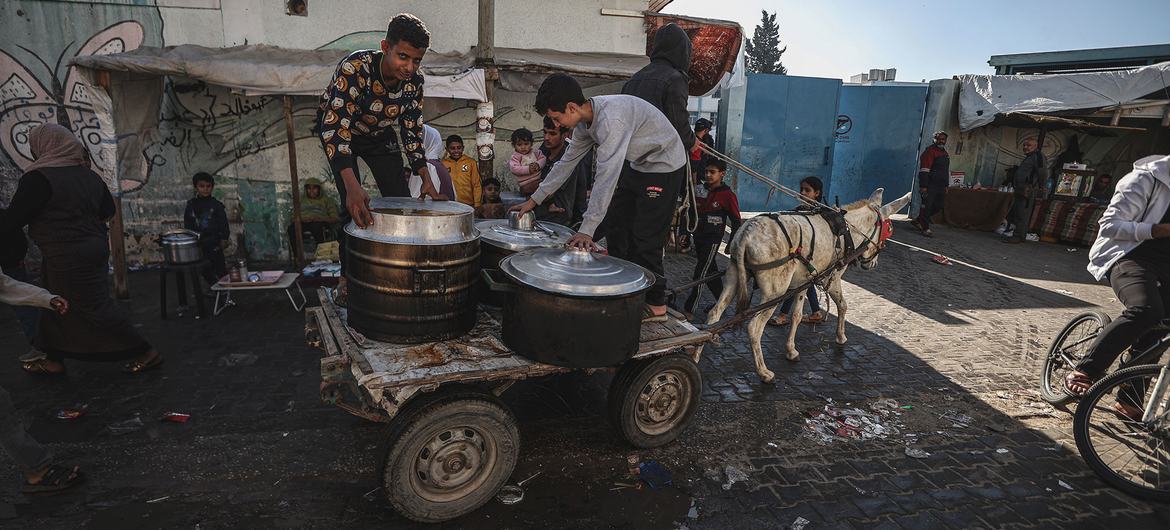
(UN News)* — Some Gazans are so desperate for food that they are now stopping aid trucks and immediately eating what they find, the head of the UN agency for Palestinian refugees warned on Thursday [].
Speaking later in the day at UN Headquarters, the deputy head of the UN World Food Programme (WFP), confirmed that following a food assessment, around half of all Gazans “are starving”, with no idea where their next meal is coming from.
Briefing journalists in Geneva uon his return from Rafah governorate, Philippe Lazzarini, Commissioner-General of UNRWA, explained that people were “desperate, hungry and are terrified”, 69 days since the Israeli military bombardment began in response to the 7 October Hamas terror attacks in southern Israel.
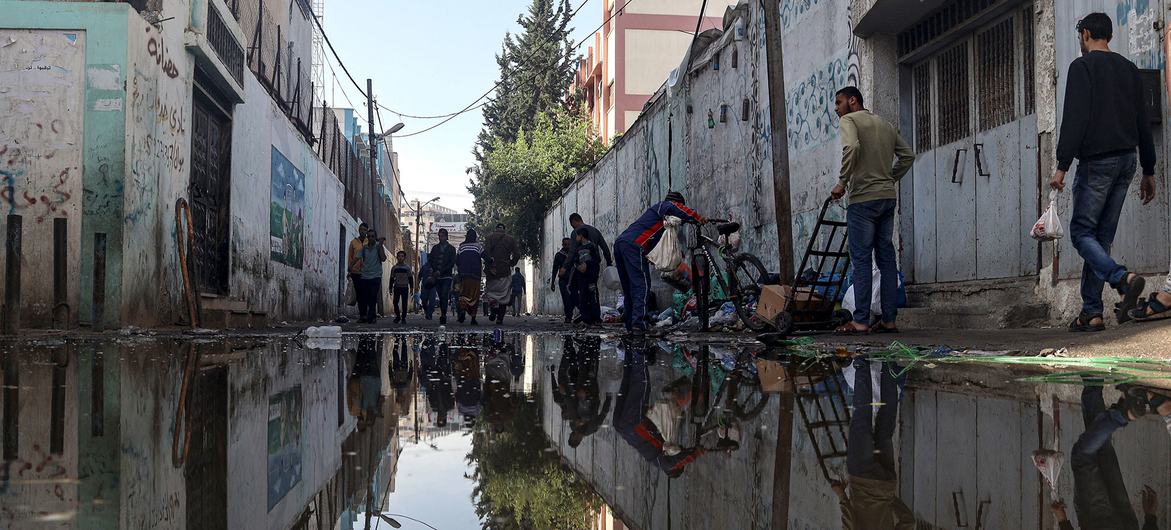
(UN News)* — Heavy rains created new misery in Gaza as UN humanitarians repeated deep concerns on Thursday [] over the deteriorating health situation in the Strip, amid ongoing Israeli bombardment and fighting with Palestinian armed groups.
UN humanitarian affairs coordination office OCHA said that many areas in the enclave have been flooded, “worsening the struggle of displaced Palestinians”, while UNRWA chief Philippe Lazzarini was due to brief journalists in Geneva on the situation on Thursday, following his most recent visit to Gaza.