Gaza Humanitarian Disaster Heralds ‘Breakdown’ of Society
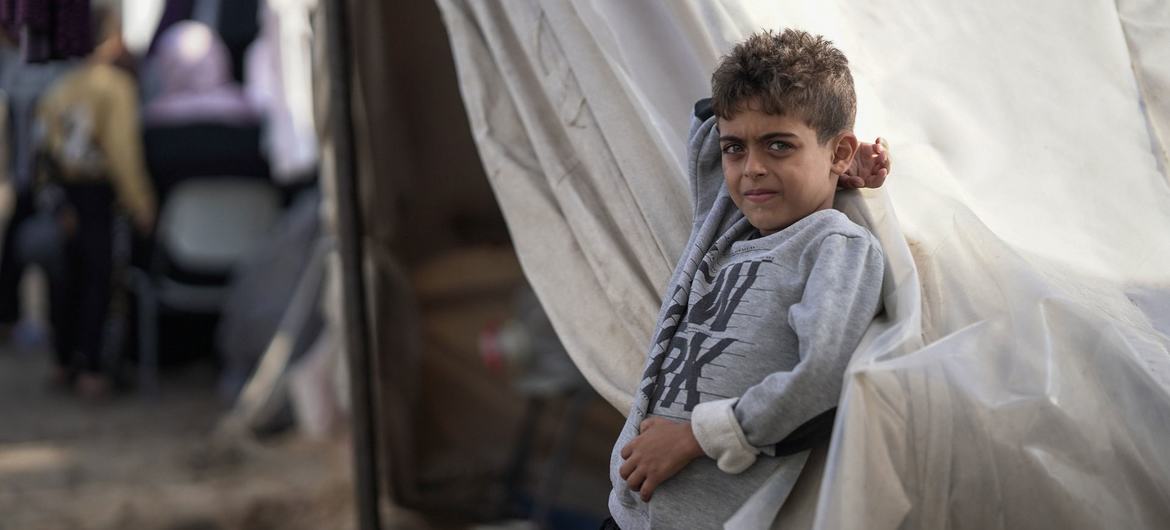
(UN News)* — As intense Israeli bombardment of Gaza and fighting with Palestinian armed groups continued to impede aid operations, reports on the ground of children begging for water and people cutting down telephone poles for firewood indicated that “society is about to break down”, UN humanitarians said on Friday [].
By Avril Benoît, executive director of MSF-USA | Médecins Sans Frontières [Doctors without Borders]*
“The US veto makes it complicit in the carnage in Gaza,” said Avril Benoît, executive director of MSF-USA.
On 20 November, five MSF vehicles parked in front of our clinic in Gaza city were destroyed by the intervention of the Israeli forces. The clinic was also damaged as a result and part of the building was engulfed by fire for a few hours.
Today, December 8, the United Nations Security Council failed to adopt a resolution demanding a ceasefire in Gaza—blocked by a veto from the United States.
Geneva, 7 December 2023 (IOM)* — The International Organization for Migration (IOM) echoes the call of the United Nations Secretary General António Guterres for a lasting and immediate humanitarian ceasefire to allow critical aid to reach those in urgent need across the Gaza Strip.
IOM is responding to pressing humanitarian needs in Gaza. Photo: UNRWA 2023.
IOM also shares the grave concerns raised by UN officials as humanitarian efforts in Gaza near collapse due to intensive fighting and lack of access.
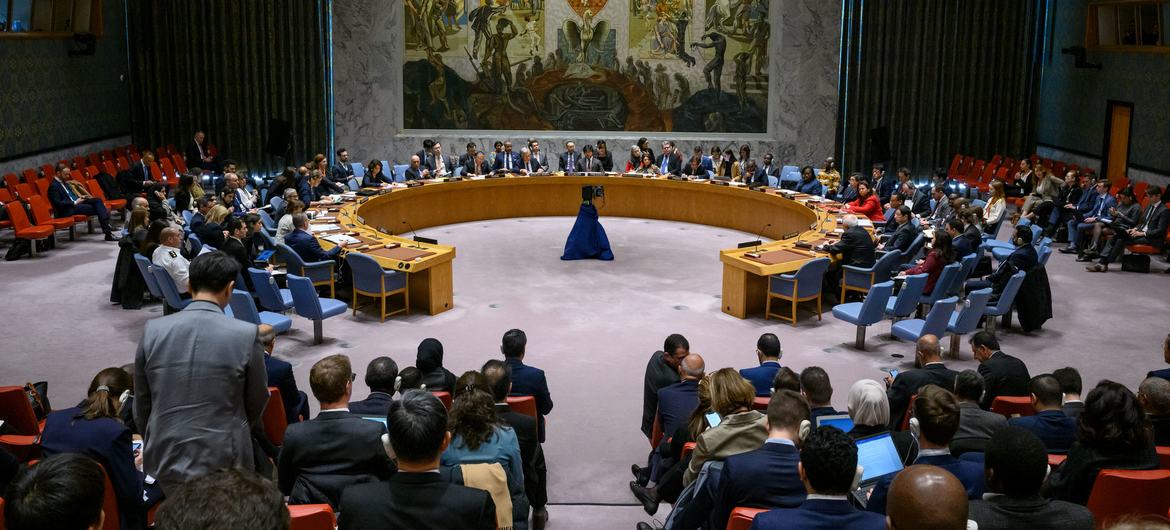
(UN News)* —The UN Security Council held an emergency meeting Friday [] morning New York time to discuss the catastrophic situation in Gaza. This follows Wednesday’s urgent letter by Secretary-General António Guterres – one of the most powerful tools at his disposal – urging the body to help end carnage in the war-battered enclave through a lasting humanitarian ceasefire.
UN Photo/Loey Felipe | A wide view of the UN Security Council chambers as members meet on the situation in the Middle East, including the Palestinian question.
A resolution tabled late afternoon in the chamber calling for an immediate humanitarian ceasefire was vetoed by the United States.
Recent events make us question more than ever: why can’t something be done to stop and prevent the crimes of war?
.
Julian Assange languishes in prison, and may eventually die in prison, for having documented the war crimes of the American Empire.
And all the relevant institutions, the United Nations, Amnesty International, Human Rights Watch, etc., agree that we are witnessing daily war crimes by Israel against the people of Gaza, crimes that are financed and supplied by the United States and its allies.
There are demands for justice from the International Criminal Court, but even if it condemns these war crimes, has no power of enforcement. None of the Great Powers even belongs to it.
(UN News)* — The UN World Health Organization (WHO) on Thursday [] released its first-ever guidelines on managing chronic low back pain – the leading cause of disability worldwide, that effects an astonishing one in 13 of us.
Notably, the guidance includes both recommendations and warnings for long-term sufferers, arguing against the use of opioid painkillers; physical therapies, such as traction; and lumbar braces and belts.
Instead, healthcare professionals are advised to develop exercise programmes; help patients educate themselves on the options and self-care strategies; and provide psychological support, such as cognitive behavioural therapy.
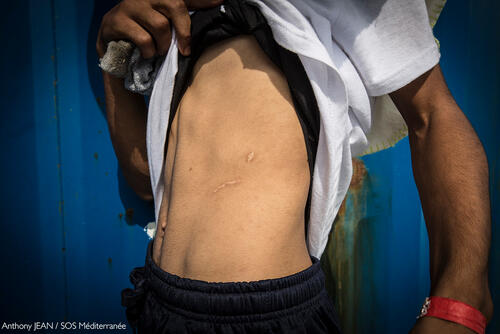
6 December 2023 — Refugees, asylum seekers and migrants held inside detention centres in Tripoli, Libya, have been assaulted, sexually abused, beaten, killed and systematically deprived of the most basic humane conditions, including proper access to food, water, sanitation and medical care, says Médecins Sans Frontières (MSF).
Taiz, YEMEN, 6 December 2023 (UNFPA)* –“One day, when I was returning from fetching water, I collapsed on the road. I was bleeding so badly that I knew I was going to lose my baby.”
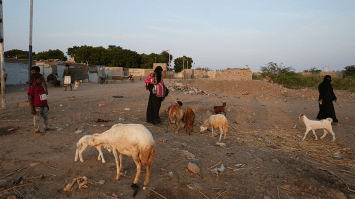
Umm Mahra was 31 years old and five months pregnant when she was forced to seek refuge with her family in a remote displacement camp in Taiz, in Yemen’s southwestern highlands.
Conflict had erupted across the country and a crippling drought took hold, exacerbating the situation for millions of people already fleeing for their lives.
(UNCCD)* —Recent drought-related data based on research in the past two years and compiled by the UN point to “an unprecedented emergency on a planetary scale, where the massive impacts of human-induced droughts are only starting to unfold.”







 HUMAN WRONGS WATCH