Human Wrongs Watch
(UN News)* — Nearly a quarter of all adolescent girls who have been in a relationship – close to 19 million – will have experienced intimate partner violence by the time they turn 20, the UN World Health Organization (WHO) said in a new analysis on Monday [].
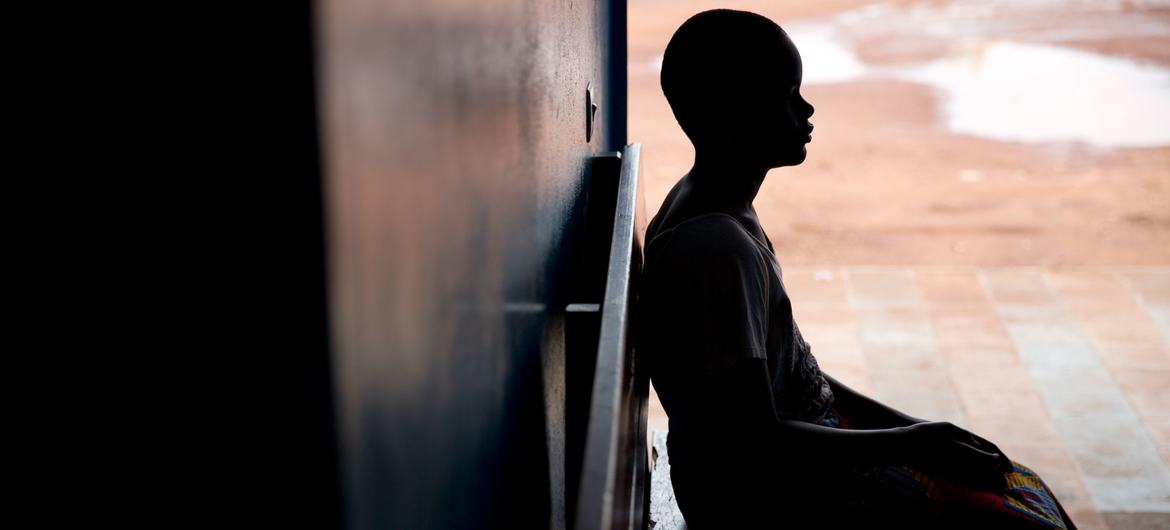
Almost 16 per cent, or one in six, were affected in the past year.
Devastating impacts
Dr. Pascale Allotey, Director of WHO’s Sexual and Reproductive Health and Research Department, noted that intimate partner violence is starting alarmingly early for millions of young women across the globe.
“Given that violence during these critical formative years can cause profound and lasting harms, it needs to be taken more seriously as a public health issue – with a focus on prevention and targeted support,” she said.
Intimate partner violence can have devastating impacts on health, WHO said. It can increase the likelihood of injuries, depression, anxiety disorders, unplanned pregnancies, sexually transmitted infections, and many other physical and psychological conditions.
At the same time, educational achievement, future relationships and lifelong prospects, can also be affected.
Among adolescent girls who have been in a relationship, nearly a quarter (24%) – close to 19 million – will have experienced physical and/or sexual intimate partner violence by the time they turn 20 years old, as highlighted by a new analysis from the World Health Organization (WHO) published today in The Lancet Child & Adolescent Health. Almost 1 in 6 (16%) experienced such violence in the past year.
Regional differences
Although the problem occurs everywhere, WHO found significant differences in prevalence rates.
The worst-affected regions are Oceana and central sub-Saharan Africa, at 47 per cent and 40 per cent, respectively, while the lowest rates are in central Europe, 10 per cent, and central Asia, 11 per cent.
Furthermore, intimate partner violence against young women is most common in lower-income countries and regions, in places where fewer girls are attending secondary school, and where girls have weaker legal property ownership and inheritance rights compared to men.
Child marriage – that is, before a girl turns 18 – also significantly heightens risks, WHO said. Spousal age differences create power imbalances, economic dependency and social isolation – all of which increase the likelihood of abuse.
Prevention, protection, empowerment
To address the issue, WHO stressed the urgent need to strengthen and support services and early prevention measures geared towards adolescents.
This should be accompanied by actions to advance women’s and girls’ agency and rights, including school-based progammes to educate both girls and boys on healthy relationships and violence protection, legal protections and economic empowerment.
The UN health agency recalled that currently, no country is on track to eliminate violence against women and girls by 2030, in line with the Sustainable Development Goal (SDGs) targets.
Therefore, ending child marriage – which affects one in five girls globally – and expanding girls’ access to secondary education, will be critical for reducing partner violence against adolescent girls, WHO said.
Equality and education
“The study shows that to end gender-based violence, countries need to have policies and programmes in place that increase equality for women and girls,” said the author, Dr. Lynnmarie Sardinha, Technical Officer for Violence against Women Data and Measurement at WHO.
“This means ensuring secondary education for all girls, securing gender-equal property rights and ending harmful practices such as child marriage, which are often underpinned by the same inequitable gender norms that perpetuate violence against women and girls.”
To this end, WHO supports countries to measure and address violence against women, including efforts to strengthen prevention and response within the healthcare sector.
The agency also plans to release new guidelines on prevention of child marriage by the end the year.
Discover more from HUMAN WRONGS WATCH
Subscribe to get the latest posts sent to your email.
 Baher Kamal
 HUMAN WRONGS WATCH
Leave a comment