Human Wrongs Watch
By the United Nations*

Women are responsible for half of the world’s food production while working as environmental and biodiversity stewards.
As farmers, women have learned how to cope with and adapt to climate change, for example, by practicing sustainable agriculture in harmony with nature, switching to drought-resistant seeds, employing low-impact or organic soil management techniques, or leading community-based reforestation and restoration efforts.
Indigenous women have been at the forefront of environmental conservation by bringing invaluable ancestral knowledge and practices, and rural women have been leading global and national climate movements that have spotlighted the need for action for the sake of this and future generations..
Given their position on the frontlines of the climate crisis, women are uniquely situated to be agents of change — to help find ways to mitigate the causes of global warming and adapt to its impacts on the ground.
However, reports prove that climate change has a more pronounced impact on women, primarily indigenous and peasant women, whose agricultural dependence, living conditions, and marginalization expose them to a greater degree of changes due to climate, loss of diversity, and pollution.
This International Day of Rural Women’s theme is “Rural Women Sustaining Nature for Our Collective Future: Building climate resilience, conserving biodiversity, and caring for land towards gender equality and empowerment of women and girls.”
Let’s promote their work as food providers and protectors of the environment. Let’s demand their participation in decision-making within their communities. Let’s promote rural areas where women can have the same opportunities as men.
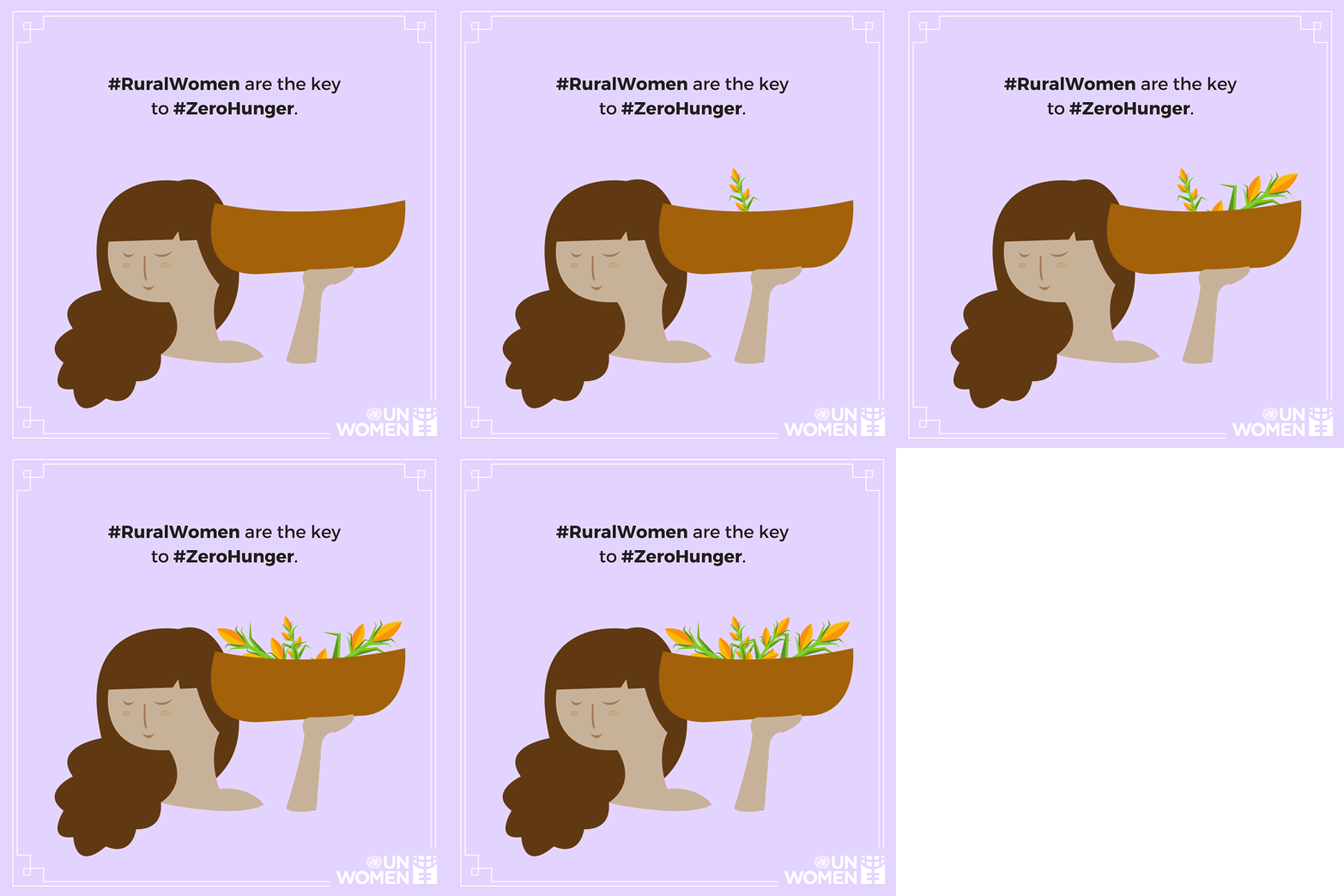
Get to know the numbers: rural women and girls
Discover through this UN Women infographic the challenges and consequences faced by rural women and girls compared to men or urban locations.
Did you know?
- Rural women have less access to a range of resources, from land rights and credit to education and technology. If women had the same access to productive resources as men, farm yields could increase by 20–30 per cent, feeding an additional 100 to 150 million people.
- Every year, female-headed households experience income losses of 8 percent due to heat stress, and 3 percent due to floods, relative to male-headed households.
- A 1° C increase in long-term average temperatures is associated with a 34 percent reduction in the total incomes of female-headed households, relative to those of male-headed households.
Stories

In the Pacific coast of Colombia, guardians of the mangrove sow seeds of change
The “shell women” of the Pacific coast of Nariño have promoted sustainable harvesting and use of a native mollusk called piangua for many generations.
They are also at the forefront of mitigating climate change and leading mangrove conservation.
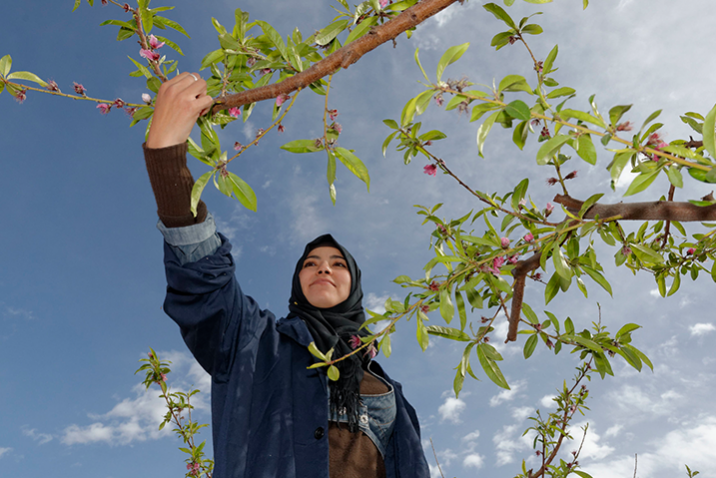
Rural communities around the world are grappling with increasing challenges brought on by the climate crisis. However, it is rural women who suffer the brunt of these impacts, including significant financial losses. If you want to know real numbers, consult the FAO report The unjust climate.

Women are driving climate solutions at all levels – as farmers, workers, consumers, household managers, activists, leaders, and entrepreneurs. Get to know three reasons why women are essential in the climate crisis’ fight.
*SOURCE: United Nations. Go to ORIGINAL: https://www.un.org/en/observances/rural-women-day
2024 Human Wrongs Watch
Discover more from HUMAN WRONGS WATCH
Subscribe to get the latest posts sent to your email.
 Baher Kamal
 HUMAN WRONGS WATCH
Leave a comment