Human Wrongs Watch
By World Food Programme*
- A million more Somalis could be pushed into severe hunger as recurrent droughts and floods, conflict and high food prices threaten to displace families, disrupt farming, restrict market access and increase humanitarian needs.
- .
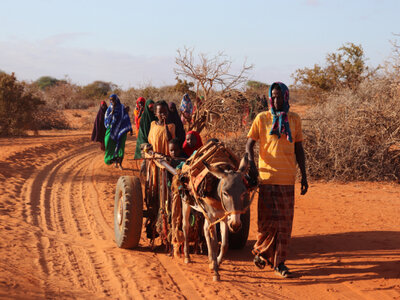 WFP/Petroc Wilton
A total of 3.4 million people are experiencing crisis levels of hunger, according to the Integrated Food Security Phase Classification, the global standard for measuring food insecurity.
This is projected to rise to 4.4 million (23 percent of the population) between April and June 2025, when below-average Gu rains are forecast.
A total of 1.7 million children are suffering acute malnutrition and require urgent treatment between January and December. Of those, 466,000 are suffering severe acute malnutrition.
Improved rainfall and continued humanitarian assistance briefly improved food security in Somalia, after hunger peaked at 6.7 million people and famine was projected in late 2022 during its longest drought on record.
A massive scale-up of humanitarian assistance averted famine then. Now hunger is rising again as another drought looms. The World Food Programme (WFP) is responding to both the emergency and long-term needs of the most vulnerable people.
However, a critical funding gap of US$297 million means WFP is forced to prioritize and reduce assistance at a time when hunger is once again on the rise.
Without additional funding, critical WFP operations in Somalia will face pipeline breaks by mid-year.
-
Crisis response:
-
WFP, the largest humanitarian agency in Somalia, saves lives by providing food and nutrition assistance to people in crisis. WFP works both directly and through over 100 partners, even in areas where insecurity makes access challenging.Somalia is also home to WFP’s largest use of anticipatory action in Africa, helping drought-affected households to prepare for poor rainy seasons with cash transfers and information campaigns.
*SOURCE: World Food Programme. Go to ORIGINAL: https://www.wfp.org/emergencies/somalia-emergency
Discover more from HUMAN WRONGS WATCH
Subscribe to get the latest posts sent to your email.
 Baher Kamal
 HUMAN WRONGS WATCH
Leave a comment