Human Wrongs Watch
By the Norwegian Refugee Council*
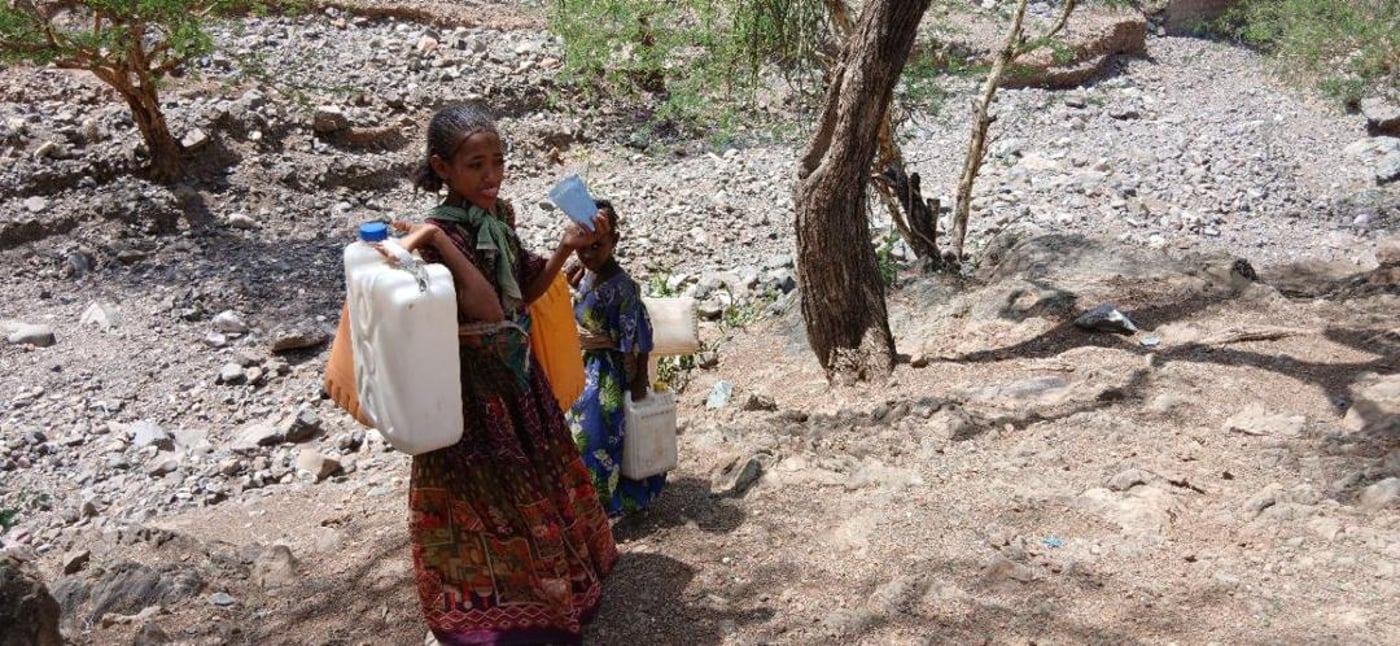
12 August 2025 — For 14-year-old Atsede Tesfay, each morning began with a jerrycan and a three-kilometre walk to the nearest water source. The journey was open, exposed, and unsafe. The road was long, the risks familiar. She spent more hours searching for water and fewer hours in class.
“It was painful,” Atsede recalls. “But we had no other choice.”
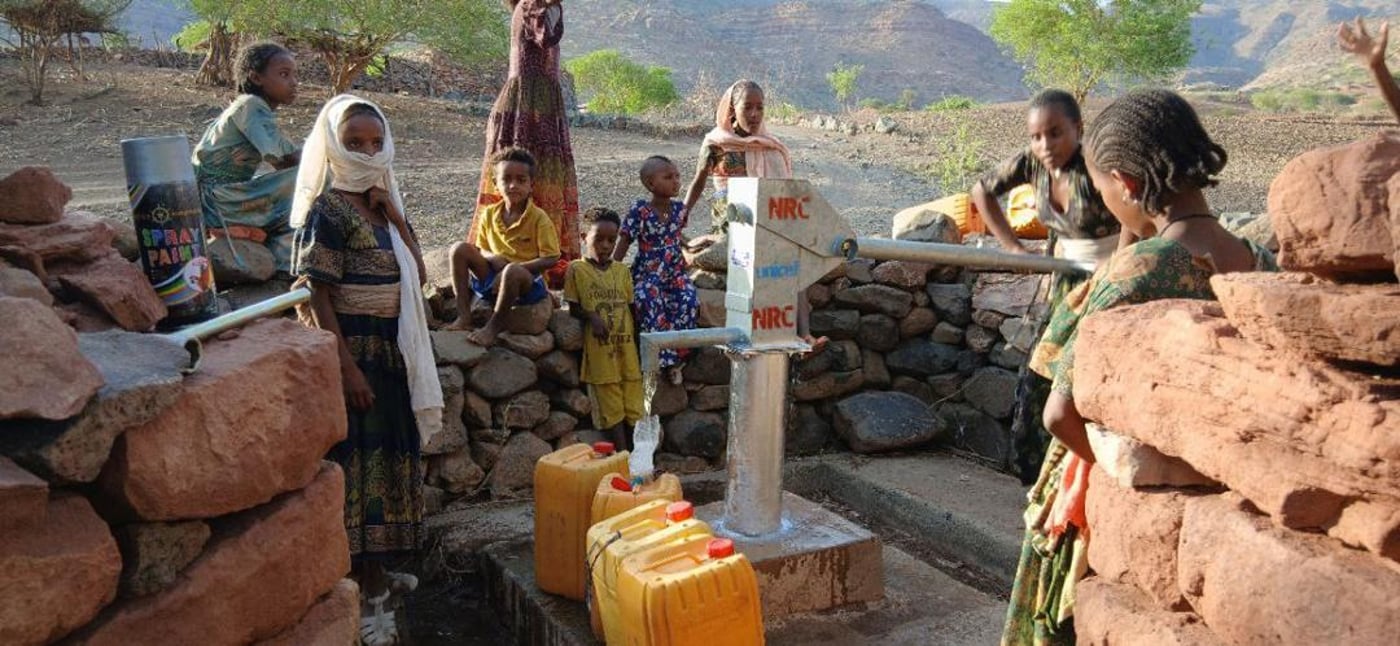
In Dima District, the destruction of water infrastructure during the conflict cut off clean water access for over 2,900 people.
Families were left with few options like using unsafe water or embarking on dangerous journeys to obtain it.
Women are girls suffered the most.
Restoring water flow
When teams from the Norwegian Refugee Council (NRC) teams reached Fiyelwuha and nearby Midre Hamsho, the damage was plain to see. Wells stood dry or polluted. Hand pumps lay rusted, broken and beyond use.
With support from UNICEF, NRC’s teams rehabilitated four shallow wells, replaced broken pumps with durable Afridev models, and disinfected water sources with chlorine to ensure safety.
The change was immediate.
“I was about to walk far again,” says Atsede. “But now, I can fetch water from this pump.”
More than 2,960 people in Fiyelwuha and Midre Hamsho now have safe, reliable water just minutes from their homes. The long, exhausting treks are over. For children, particularly girls, the pathway to education is clear again.
A community in charge
But a repaired pump is only as good as its upkeep. The NRC trained local committees to maintain the water system, providing them with tools, spare parts, and essential knowledge. These community-led teams oversee regular maintenance, monitor water quality, and promote hygiene practices.
“NGOs may not always be here,” says a trainee. “But now, we have the skills to care for our water source and keep it running for our community.”
The community was involved from the beginning, from technical assessments to final repairs. Feedback mechanisms were put in place through the district’s technical committees, ensuring that concerns could be raised and addressed quickly.
Water, and what comes after
For Atsede, and girls like her, the impact is measured in regained hours, restored safety, and a return to learning. Where mornings once began with the uncertainty of distant water, they now start with the certainty of school with books, and not responsibilities.
Waterborne diseases have declined. Families spend less time surviving and more time rebuilding.
In northern Ethiopia, where conflict sought to break what held communities together, water flows again steady, safe, and close to home.
Ethiopia is one of the world’s most neglected displacement crises.
*SOURCE: The Norwegian Refugee Council. Go to ORIGINAL: https://www.nrc.no/perspectives/2025/when-the-wells-dry-up
2025 Human Wrongs Watch
Discover more from HUMAN WRONGS WATCH
Subscribe to get the latest posts sent to your email.
 Baher Kamal
 HUMAN WRONGS WATCH
Leave a comment