Human Wrongs Watch
(UN News)* — The UN World Food Programme (WFP) warned on Friday [] that millions in Somalia are at risk of worsening hunger and malnutrition as critical funding shortfalls force the agency to cut back on life-saving emergency food assistance.
.
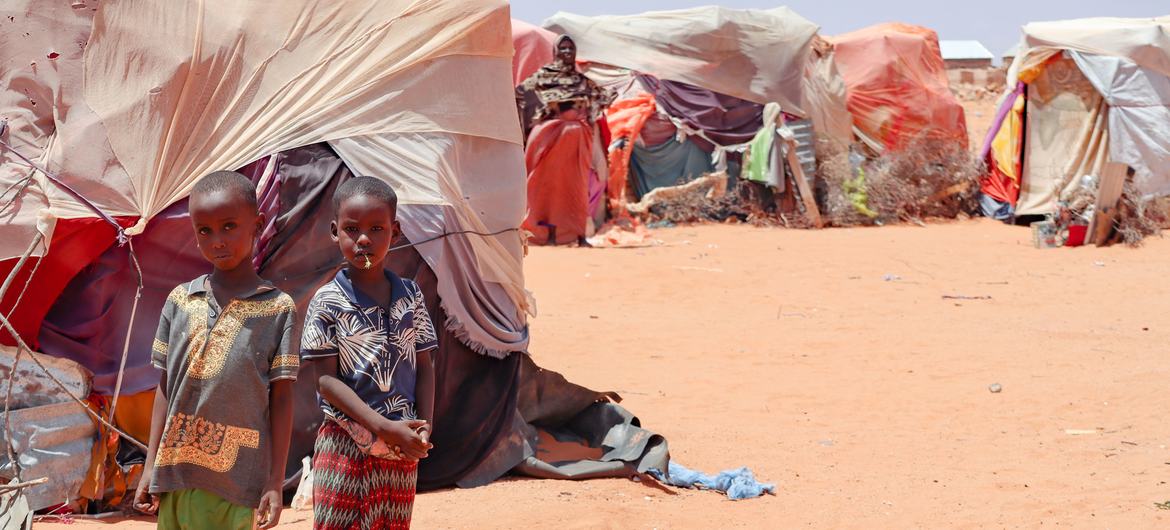
That means millions must resort to extreme lengths – like selling off essential livelihood assets – to get the calories they need.
Multiple crises at once
The country’s hunger crisis is unfolding in a fragile and fast-moving context, where even the smallest shocks can have devastating consequences for families and communities, according to the WFP.
This year, the compounded effects of severe drought, conflict, and reduced humanitarian assistance have rapidly pushed the most vulnerable into emergency levels of food insecurity.
Somalia is also suffering from a rise in displacement due to droughts. Affected communities already struggling with water scarcity and hunger, have lost a lot of their livestock, the UN humanitarian affairs office (OCHA) in Somalia reported.
In the northern and eastern regions, fewer than 30 per cent of the population has access to safe water.
Less funding, less assistance
As a result of funding cuts, the number of people who receive emergency assistance from the WFP will go down from 1.1 million in August to just 350,000 next month; that makes essential food assistance available to less than 1 in every 10 people.
Malnutrition is already alarmingly high, with 1.8 million children under five malnourished.
WFP’s nutrition programmes are also facing reductions with just 180,000 children still receiving nutrition treatment.
The agency leads the largest humanitarian operation in Somalia, supporting over 90 per cent of the country’s food security response but requires $98 million to sustain operations for 800,000 people through the lean season, when food is less available, until March next year.
“The current level of response is far below what is required to meet the growing needs,” warned Mr. Smith.
Discover more from HUMAN WRONGS WATCH
Subscribe to get the latest posts sent to your email.
 Baher Kamal
 HUMAN WRONGS WATCH
Leave a comment