Human Wrongs Watch
By the United Nations*
 .
.
Research underscores its ability to reduce stress, improve focus and emotional balance, alleviating anxiety and depression, and enhance sleep quality.
It also contributes to better physical health, including lowering blood pressure and managing pain.
Technology has further expanded access to meditation, with apps and online platforms enabling individuals to practice anywhere and anytime.
Benefits of meditation
Beyond individual benefits, meditation fosters empathy, collaboration, and a sense of shared purpose, contributing to collective well-being. Celebrated for its universality, meditation is practiced across all regions of the world by people of all ages, backgrounds, and lifestyles.
The World Health Organization (WHO) recognizes the significant benefits of meditation, particularly mindfulness meditation. WHO’s discussions on stress management underscore the importance of learning coping mechanisms, such as meditation, to support mental and physical well-being.
According to WHO, meditation can be a powerful self-care tool to support treatment and enhance overall well-being, particularly in managing symptoms of anxiety.

Incorporating mindfulness meditation into your daily routine, even for just a few minutes, can help you achieve a sense of calm and focus.
Additionally, WHO acknowledges the mental health benefits of practices like yoga, which often incorporate meditative elements.
On the International Day of Yoga, WHO highlighted yoga’s contributions to lifelong health and well-being, emphasizing its role in promoting healthier populations and a more equitable and sustainable world.
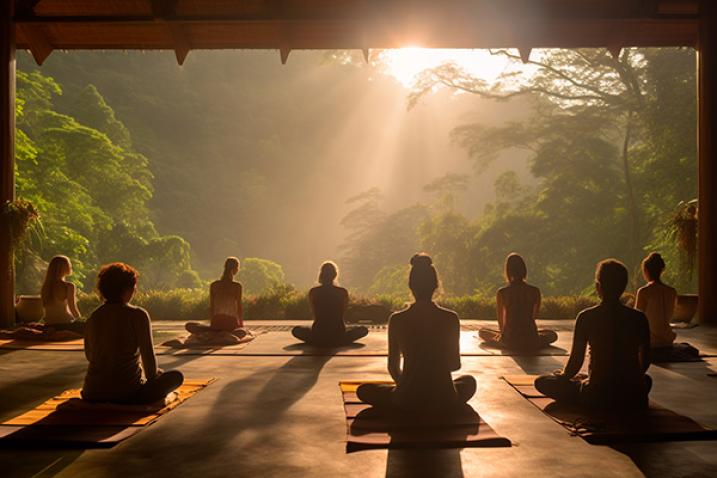
World Meditation Day
To raise awareness about meditation and its benefits, the General Assembly proclaimed 21 December as World Meditation Day, recalling the right of everyone to the enjoyment of the highest attainable standard of physical and mental health.
The Permanent Mission of India along with members of the core group of Member States that led the adoption of this resolution invites Member States to commemorate the 2nd World Meditation Day.
This second-year celebration of the World Meditation Day reaffirms our shared responsibility to focus on what unites us rather than what divides us—to build a world where every individual can live in peace, balance, and harmony.
Through the power of inner transformation, we can nurture the conditions for sustainable peace—within ourselves, within our communities, and within our shared global home.

Cultivating peace and unity through meditation
At the United Nations, meditation holds a special place, exemplified by the Meditation Room at UN Headquarters in New York. Opened in 1952 under the guidance of Secretary-General Dag Hammarskjöld, this “room of quiet” symbolizes the essential role of silence and introspection in achieving global harmony.
As Mr. Hammarskjöld put it, this house, dedicated to work and debate in the service of peace, “should have one room dedicated to silence in the outward sense and stillness in the inner sense.”
In times of global challenges, such as armed conflicts, climate crises, and rapid technological advancements, meditation offers a powerful means to cultivate peace, unity, and compassion.
World Meditation Day reminds us of the importance of nurturing human consciousness to address these issues and create harmony within ourselves and our communities.
By fostering inner peace through meditation, individuals contribute to building a more resilient and sustainable world for current and future generations.
Good health and well-being
Meditation is increasingly recognized for its contributions to mental health — a fundamental human right — and its alignment with the Sustainable Development Goals (SDGs).
The 2030 Agenda for Sustainable Development emphasize health and well-being as central to achieving sustainable development.
Goal 3, “Good Health and Well-Being,” aims to ensure healthy lives and promote well-being for all at all ages, addressing key challenges such as maternal and child health, communicable and non-communicable diseases, and access to essential medicines and vaccines.
This target also highlights the importance of mental health, universal health coverage, and the reduction of health inequities to build resilient and inclusive societies.
Unlocking your Emotions to Achieve the SDGs: Mindfulness & Meditation in Government
Did you know?
-
According to archaeologists, meditation dates back to 5,000 BCE, and the practice itself has ties to ancient Egypt and China, Judaism, Hinduism, Jainism, Sikhism and Buddhism, as well as to Christianity and Islam.
-
Estimates suggest that between 200 and 500 million people practice meditation worldwide.
-
Meditation can help reduce stress, blood pressure and anxiety, promote emotional health, enhance self-awareness and improve sleep.
Observance at UN Human Rights in Geneva
Story: United, mindful and essentially present on World Meditation Day
Websites
- WHO: Mental Health
- Healthy Workforce
- UN Gifts: Meditation Room
- UNESCO: Meditation Space
- Wellbeing tips: Guided meditation and yoga
- Unlocking your Emotions to Achieve the SDGs: Mindfulness & Meditation in Government
- Sustainable Development Agenda
- Global action plan on physical activity 2018–2030: more active people for a healthier world
Related Observances

*SOURCE: The United Nations. Go to ORIGINAL: https://www.un.org/en/observances/meditation-day
2025 Human Wrongs Watch
Discover more from HUMAN WRONGS WATCH
Subscribe to get the latest posts sent to your email.
 Baher Kamal
 HUMAN WRONGS WATCH
Leave a comment