Human Wrongs Watch
Venezuela’s political shock has sharpened global attention on a country already facing one of the world’s largest humanitarian and displacement crises. For the United Nations, the priority remains unchanged: protecting lives, sustaining basic services and supporting Venezuelans at home and across the region.
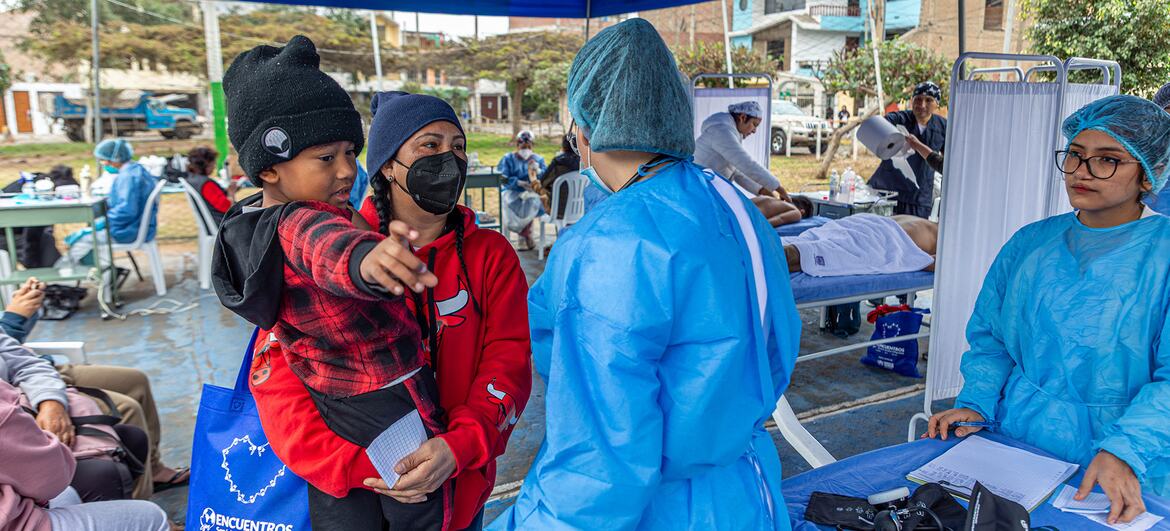
— The recent seizure of President Nicolás Maduro by US special forces has added a new layer of uncertainty to an already volatile situation.
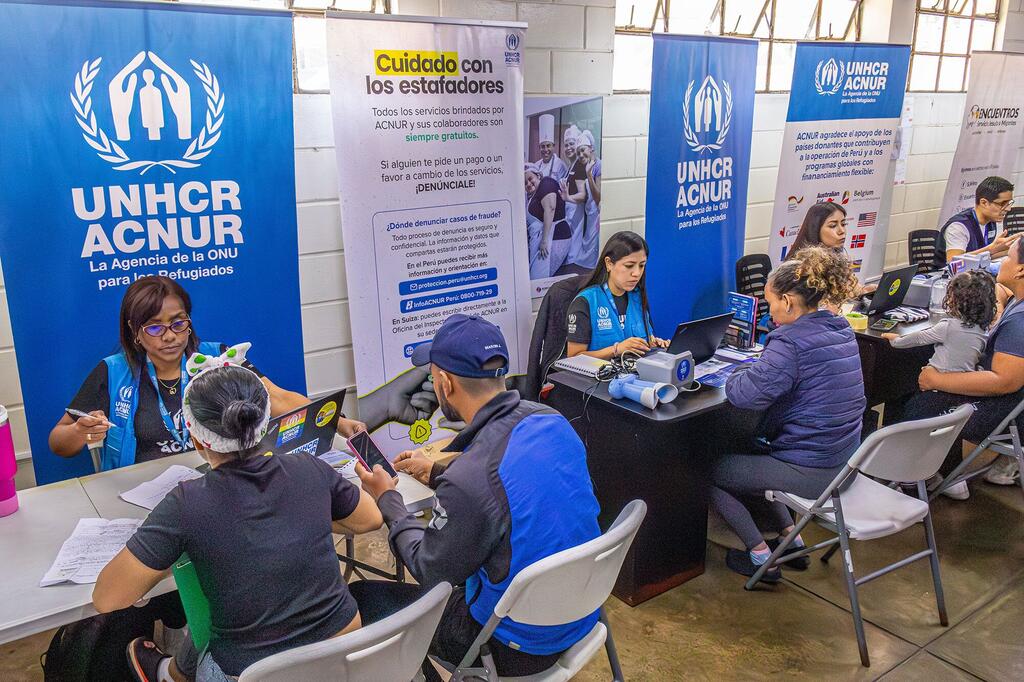
A large UN footprint
- The UN maintains a broad operational presence in Venezuela, with most agencies active on the ground.
- Work spans food security, healthcare, gender equality, education, decent work, water and sanitation, and peacebuilding.
- Agencies including the World Food Programme (WFP), World Health Organization (WHO) and the reproductive rights agency, UNFPA, deliver life-saving aid and help keep essential services running — from food distributions and nutrition screenings to maternal care and clean water projects.
- Following the latest political developments, UN leadership in the country said it is closely assessing needs to ensure support can be scaled up if required.
Human rights under scrutiny
- Venezuela’s human rights situation remains a core UN concern.
- The Office of the UN High Commissioner for Human Rights (OHCHR) continues to monitor violations.
- Briefing the Human Rights Council last month, High Commissioner Volker Türk warned of deepening repression, citing increased militarisation, threats to journalists and human rights defenders, arbitrary detention and enforced disappearances.
- UN investigators have stressed that accountability for long-documented abuses — including extrajudicial killings, torture and sexual and gender-based violence — must not be overshadowed by the current crisis.
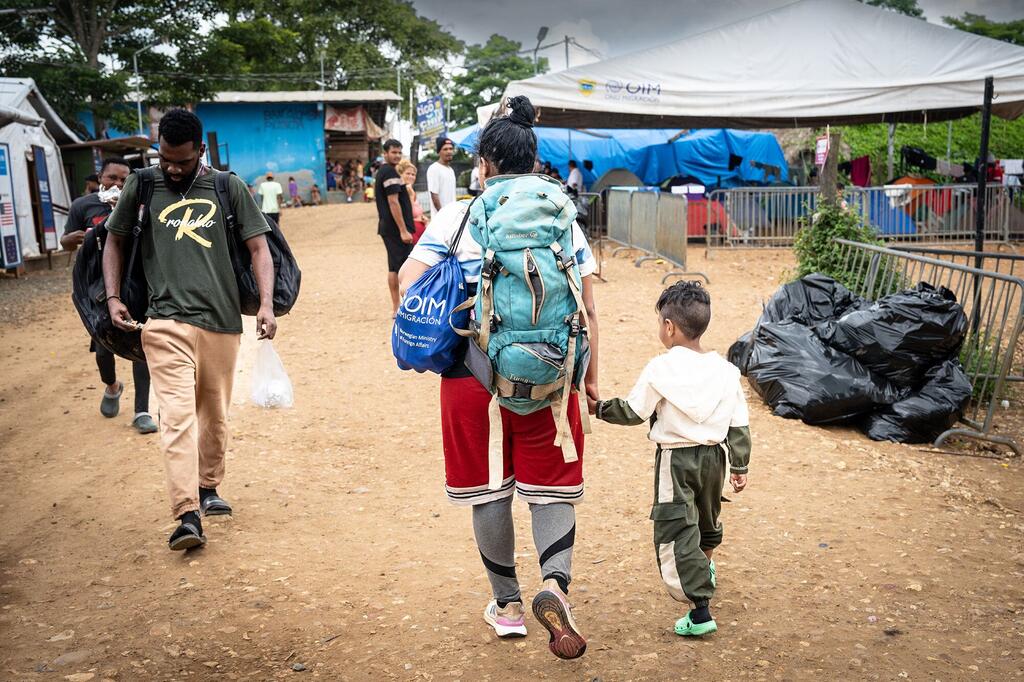
A long-running exodus
- It is too early to know whether recent events will intensify the mass displacement that has unfolded over the past decade.
- Millions of Venezuelans have already fled repression, instability and economic hardship.
- Nearly half of those who have left rely on informal, low-paid work; 42 per cent struggle to afford enough food, and 23 per cent live in overcrowded housing.
Regional response
- The UN refugee agency UNHCR and the International Organization for Migration (IOM) coordinate a regional response across 17 countries.
- This effort has helped more than 4.5 million Venezuelans in Latin America and the Caribbean obtain regular status, giving access to documentation, protection and basic services.
- The latest regional plan seeks $1.4 billion to reach 2.3 million vulnerable people, focusing on jobs, education, healthcare and protection.
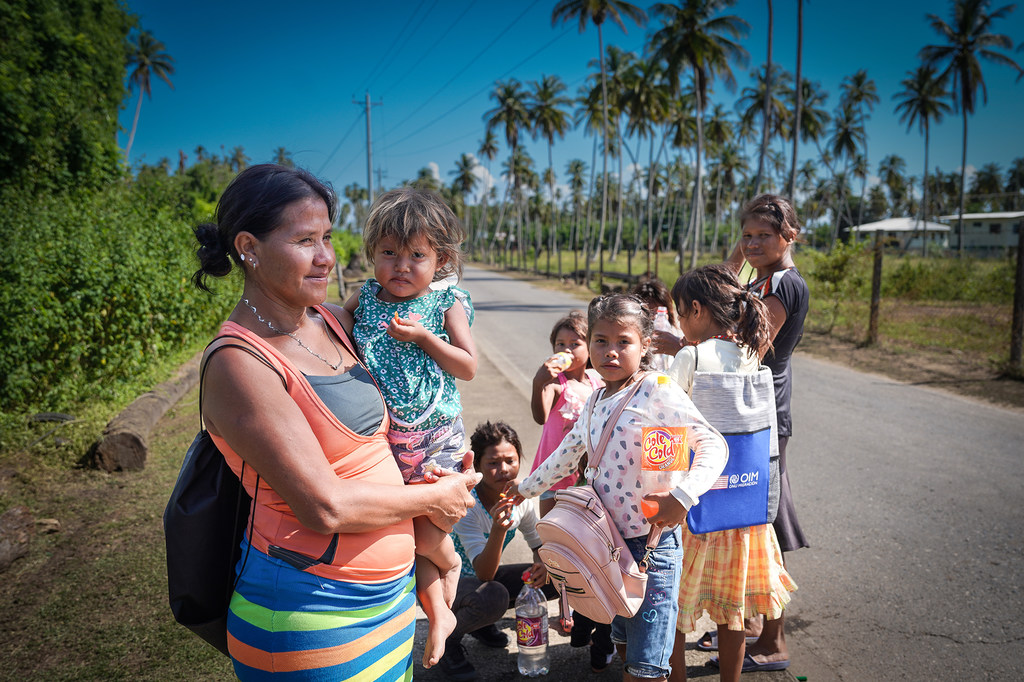
The funding gap
- Despite reiterated UN commitment to Venezuelans’ dignity and protection, resources are stretched.
- In 2025, just 17 per cent of the over $600 million required for Venezuela’s Humanitarian Response Plan had been received.
- UN officials warn that without increased funding, aid agencies will be forced to scale back support at a moment of heightened need.
Bottom line:
Political turmoil may dominate headlines, but for the UN the mission is constant: keep humanitarian lifelines open, defend human rights and support Venezuelans — inside the country and beyond its borders — through an unfolding crisis with global consequences
Discover more from HUMAN WRONGS WATCH
Subscribe to get the latest posts sent to your email.
 Baher Kamal
 HUMAN WRONGS WATCH
Leave a comment