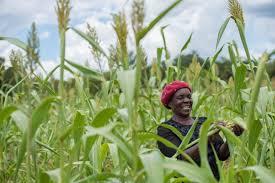
In Zimbabwe, introducing lost varieties of different crops and creating diversity has ensured more varied and nutritious diets. ©CTDT/ Tinashe Sithole
'Unseen' News and Views

In Zimbabwe, introducing lost varieties of different crops and creating diversity has ensured more varied and nutritious diets. ©CTDT/ Tinashe Sithole
22 May 2020, Rome/Nairobi (FAO and UNEP)* – Urgent action is needed to safeguard the biodiversity of the world’s forests amid alarming rates of deforestation and degradation, according to the latest edition of The State of the World’s Forests released today [22 May 2020].
Fishing in a forest lake at Gede Pangrango in Indonesia.
Published on the International Day for Biological Diversity (22 May), the report shows that the conservation of the world’s biodiversity is utterly dependent on the way in which we interact with and use the world’s forests.
Geneva, 21 May 2020 (IOM)* – The International Organization for Migration (IOM), and the UN Refugee Agency (UNHCR), are calling on Malta and other European States to speed efforts to bring some 160 rescued migrants and refugees, who remain at sea on board two Captain Morgan vessels, on to dry land and to safety.
A separate group of 21 people, mostly families, women and children, were already evacuated and disembarked in Malta several days ago. It is important to disembark the remaining people as soon as possible, as they have been on board the vessel for some two weeks – the standard quarantine period for COVID-19 – without any clarity on disembarkation. It is unacceptable to leave people at sea longer than necessary, especially under difficult and unsuitable conditions.
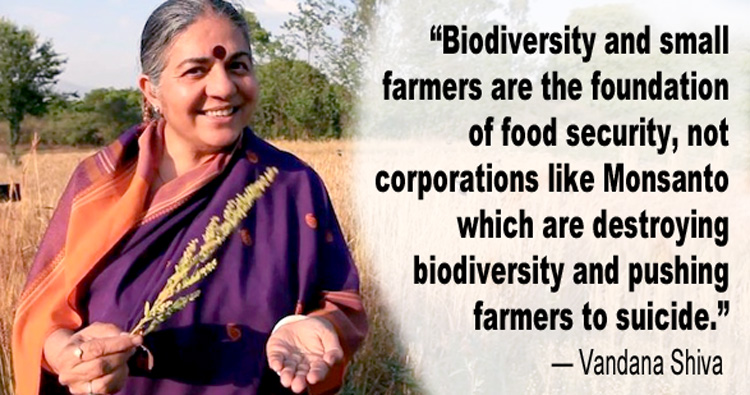
A message for International Day for Biological Diversity, 22 May 2020
We are Earth.
We are Biodiversity.
We are Jiva.
We are Conscious.
We are Alive.
We are Free.
We are members of one interconnected Earth Family : of sovereign, autonomous, self organised, interdependent, intelligent beings.
We are Biodiversity : interconnected to other beings through food and water, through breath and air, through life, and intelligence.

21 May 2020 (UN Environment)* — Biodiversity, or biological diversity, is the multitude of living things that make up life on Earth. It encompasses the 8 million or so species on the planet—from plants and animals to fungi and bacteria—and the ecosystems that house them such as oceans, forests, mountain environments and coral reefs.

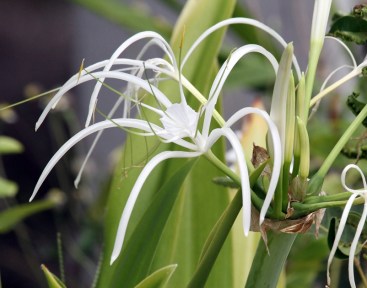
Photo by Amaryllis_BNoel
But, nature is in crisis. We are losing species at a rate 1,000 times greater than at any other time in recorded human history and one million species face extinction.
21 May 2020 (United Nations)* – Cultural events cancelled, cultural institutions closed, community cultural practices suspended, empty UNESCO World Heritage sites, heightened risk of looting of cultural sites and poaching at natural sites, artists unable to make ends meet and the cultural tourism sector greatly affected… The impact of COVID-19 on the cultural sector is being felt around the world.

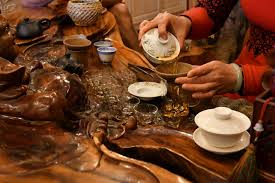
The first ever International Tea Day, backed by the United Nations, takes place on 21 May. We take a look at the challenges facing the global tea industry, and how it can build back better after COVID-19 to support smallholder farmers and sustainability.

Photo by Max Zieren/UNEP, 2018
2020 (UN Environment)* — Tea, one of the oldest estate cash crops, can play a significant role in rural development, poverty reduction and food security.

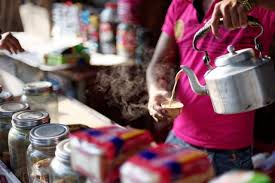
A roadside seller serves up tea in India. ©shutterstock.com/Abir Bhattacharya
How did Rwanda manage to restore more than 800,000 hectares — almost half of its original pledge — in less than a decade?

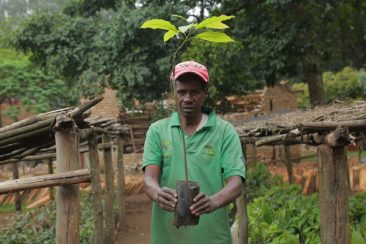
Emmanuel Nsabimana, a casual labourer at the National Tree Seed Centre, in Huye, in Rwanda’s Southern Province, has worked planting trees for over 40 years. He believes there has been considerable improvements in the seed quality from the centre since the International Union for Conservation of Nature (IUCN) became one of the contributors to its restoration. Credit: Emmanuel Hitimana/IPS