Human Wrongs Watch

read more »
'Unseen' News and Views
20 May 2020 (UN Environment)* — There’s nothing new in nature. Viruses have been around for as long as plants and animals, if not longer. Most viruses are benign to humans and other animals and in fact are essential for life. Some—as humans are finding out with COVID-19—have negative consequences.
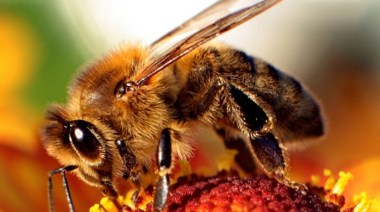
Chronic bee paralysis is a well-defined viral disease of honey bees across the world. Until recently, according to a study in Nature Communications, it caused rare, but severe, symptoms, including colony loss.
20 May 2020 (United Nations)* — Bees and other pollinators, such as butterflies, bats and hummingbirds, are increasingly under threat from human activities.

Pollination is, however, a fundamental process for the survival of our ecosystems.
Nearly 90% of the world’s wild flowering plant species depend, entirely, or at least in part, on animal pollination, along with more than 75% of the world’s food crops and 35% of global agricultural land.
Not only do pollinators contribute directly to food security, but they are key to conserving biodiversity.
(UN News)* — The civil war in Libya is in danger of intensifying as foreign intervention grows and the spectre of the COVID-19 pandemic adds to a deepening sense of insecurity, the head of the UN Support Mission in Libya (UNSMIL) told the Security Council on Tuesday [19 May 2020].
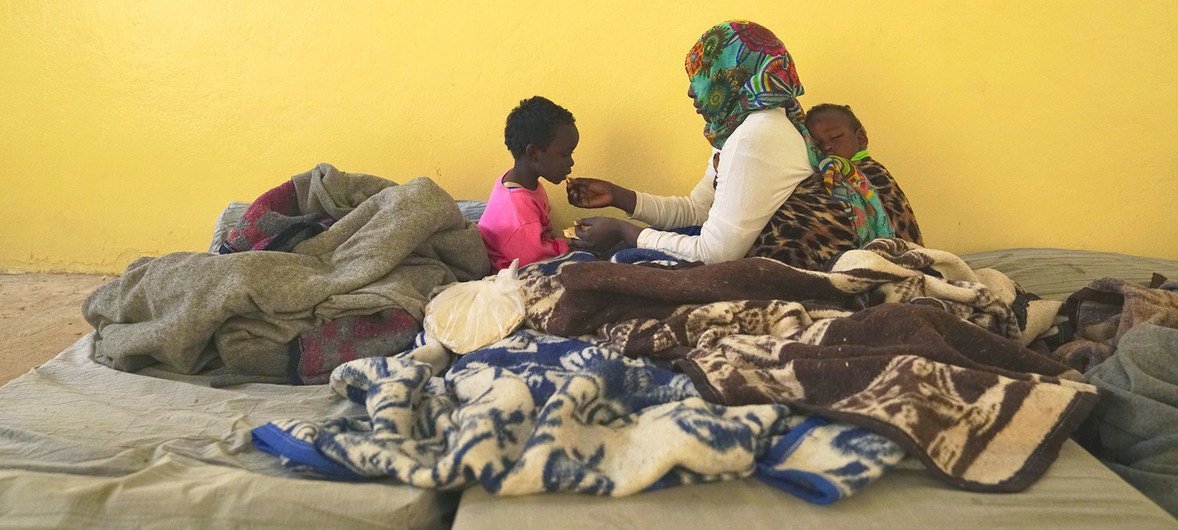
Stephanie Williams, who is also Acting Special Representative of the Secretary-General for Libya, said on Tuesday that while the rest of the world adjusts to life with the novel coronavirus, Libyans have dealt with almost constant bombardment and frequent water and electricity outages during the holy month Ramadan.
The Trump administration has quietly ramped up a vicious bombing—and covert raiding—campaign in Somalia amid a global coronavirus pandemic. Neither the White House nor the Pentagon has provided any explanation for the deadly escalation of a war that Congress hasn’t declared and the media rarely reports. At stake are many thousands of lives.

US military base in Somalia. Reuters
The public statistics show a considerable increase in airstrikes from Obama’s presidency. From 2009 to 2016, the U.S. military’s Africa Command (AFRICOM) announced 36 airstrikes in Somalia.

Of all the issues exposed by this pandemic, perhaps the most poignant is the fact that having neglected the elements that surround us for much of the last century, we have inadvertently made our world a less healthy place to live.
Evidence indicates that our lifestyles and behaviours have affected our living environment; and consequently, undermined our health.
More and more people struggle to have access to or enough food in fragile countries.
 In Syria, FAO continues supporting farmers to build vegetable nurseries.
ROME, 18 May 2020 (FAO)* – The UN’s Food and Agriculture Organization (FAO) is seeking $350 million to scale up hunger-fighting and livelihoods-boosting activities in food crisis contexts where COVID-19’s impact could be devastating.

(UN News)* — The COVID-19 pandemic is having a devastating impact on the world’s indigenous peoples that stretches well beyond the immediate threat to their health, the new UN independent expert on the rights of indigenous peoples said on Monday [18 May 2020].

”Now we hear that Corona virus is in town; that we cannot go there anymore. We fear to go to town. And if the disease cannot be treated traditionally, it will be a threat to our life,” Oloshuro Saruni, a member of the Akie community in Tanzania, said.
 HUMAN WRONGS WATCH