02/01/2020
2 January 2020 (UN Environment)* — Once upon a time, there was a tropical forest that stretched all the way from Somalia to Mozambique. Today, there isn’t much left. In Kenya all that’s left of the forest is 42,000 hectares on the coast called the Arabuko Sokoke Forest.
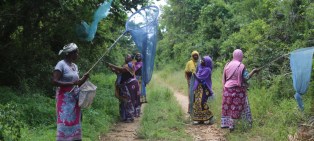
Photo by UN-REDD Programme
Posted in Africa, Asia, Latin America & Caribbean, Middle East, Mother Earth, Others-USA-Europe-etc., The Peoples |
Leave a Comment »
02/01/2020
1 January 2020 (UN News)* — At the dawn of the next decade, a new World Food Programme (WFP) forecast of global hunger hotspots has revealed that escalating hunger will challenge sub-Saharan Africa in the first half of 2020.
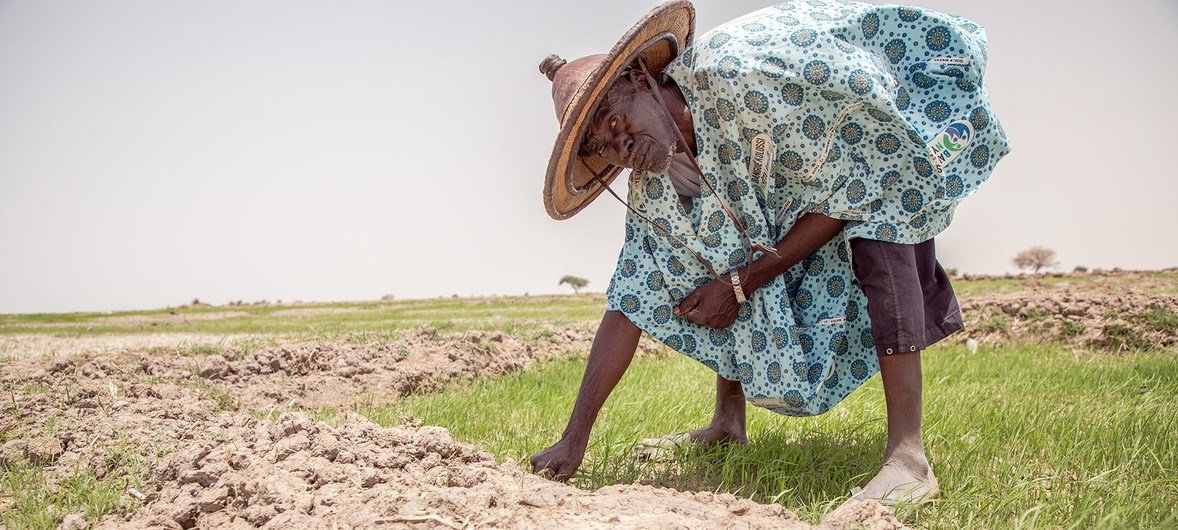
WFP/Simon Pierre Diouf | In Mali, recurrent floods and droughts have made life difficult for farmers.
Posted in Africa, Asia, Latin America & Caribbean, Market Lords, Middle East, Migrants and Refugees, Mother Earth, Others-USA-Europe-etc., The Peoples, War Lords |
Leave a Comment »
01/01/2020
31 December 2019 (UN News)* — The world will welcome more than 392,000 babies on New Year’s Day, according to estimates from the UN Children’s Fund (UNICEF).
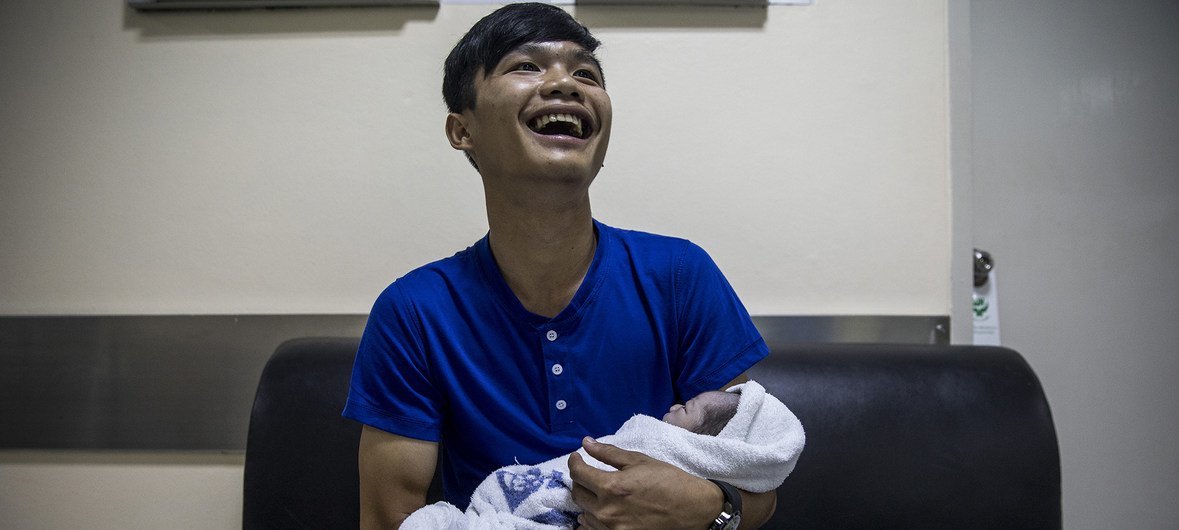
UNICEF/Zehbrauskas | A man cries with laughter as he holds his newborn baby, born a few moments before at Lerdsin Hospital, Bangkok, Thailand.
Posted in Africa, Asia, Climate Crisis, Latin America & Caribbean, Market Lords, Middle East, Others-USA-Europe-etc., The Peoples |
Leave a Comment »
01/01/2020
1 January 2020 (UN News)* — The world will need an additional nine million nurses and midwives to achieve the commitment of providing all people with access to health care by 2030, the World Health Organization (WHO) has warned.
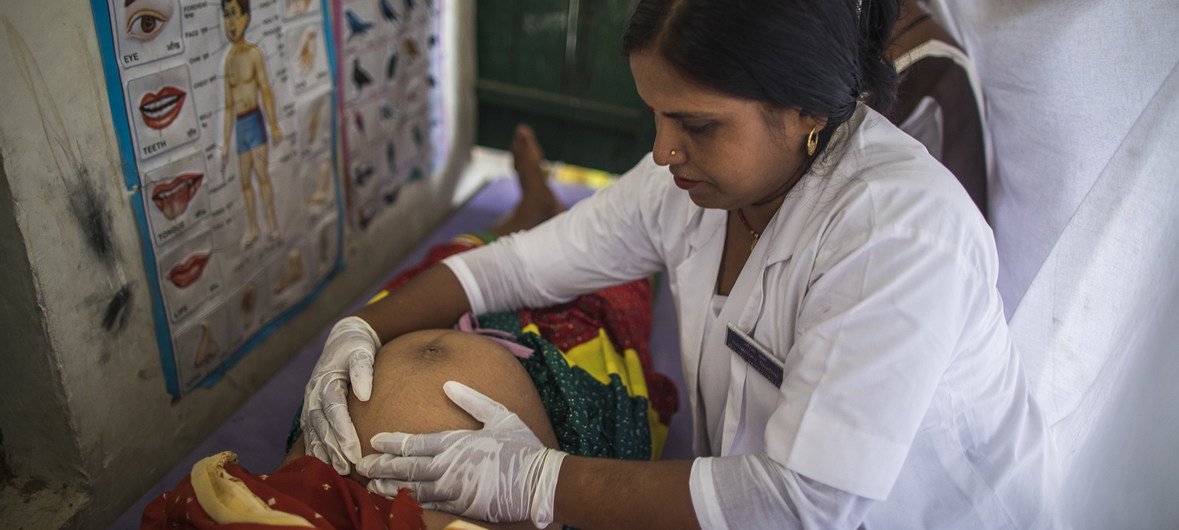
UNICEF/Vishwanathan | An Auxiliary Nurse Midwife performs critical ante-natal services in Shrawasti, India.
Posted in Africa, Asia, Latin America & Caribbean, Market Lords, Middle East, Migrants and Refugees, Others-USA-Europe-etc., The Peoples, War Lords |
Leave a Comment »
01/01/2020
NAIROBI (UN Environment)* — Living atop a hill in Malindza, a tiny county in eSwatini’s lush east, 56-year-old Ntombi Ndzimandze is the matriarch of her household of 11 women and children.
Photo by Irene Galan / UN Environment
At the beginning of the year, two of Ndzimandze’s grandchildren were bitten by Anopheles arabiensis mosquitoes, one of the key vectors of malaria in sub-Saharan Africa. The children showed all the usual symptoms of the disease, but when Ndzimandze brought them to the closest clinic they were misdiagnosed.
read more »
Posted in Africa, Asia, Latin America & Caribbean, Market Lords, Middle East, Mother Earth, Others-USA-Europe-etc., The Peoples |
Leave a Comment »
01/01/2020
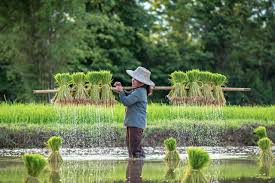
ROME (FAO)* — Multiple stresses on our natural resources are making it harder and harder to produce our food. Farmers and food producers are having to contend with a climate that is becoming more unpredictable by the day, along with the consequences it brings such as water scarcity and soil degradation, just to name a few.
read more »
Posted in Africa, Asia, Latin America & Caribbean, Market Lords, Middle East, Migrants and Refugees, Mother Earth, Others-USA-Europe-etc., The Peoples |
Leave a Comment »
01/01/2020
1 January 2020 (Wall Street International)* — “Security starts and relies with people” end of the story. After 10 years in IT Security, I’ve learned that security problems typically start with people, and almost nobody outside the traditional group of expertise seems to care about it.
Posted in Africa, Asia, Latin America & Caribbean, Market Lords, Middle East, Migrants and Refugees, Others-USA-Europe-etc., The Peoples, War Lords |
Leave a Comment »
31/12/2019
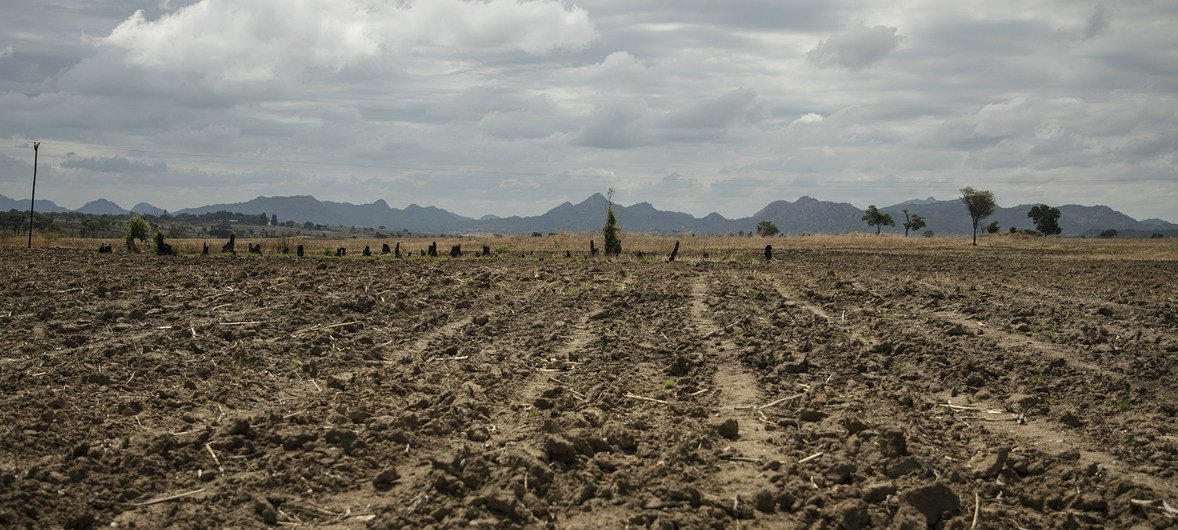
30 December 2019 (UN News)* — The World Food Programme (WFP) is calling on countries to step up support to Zimbabwe, where millions of people are facing hunger brought on by prolonged drought and economic meltdown. Nearly eight million people, or roughly half the population, are not getting enough to eat, the UN agency said on Monday [30 December 2019].
WFP/Matteo Cosorich | Millions of Zimbabweans have been pushed into hunger by prolonged drought and an economic crisis.
Posted in Africa, Market Lords, Migrants and Refugees, Mother Earth, Others-USA-Europe-etc., The Peoples, War Lords |
Leave a Comment »
31/12/2019
December 2019 (OXFAM International)* — The climate crisis is already forcing millions of people from their land and homes, and putting many more at risk of displacement in the near future. Supercharged storms, more intense and prolonged droughts, floods, rising seas and other climate-fueled disasters such as cyclones or wildfires all worsen the lives of vulnerable people and increase the likelihood of being forced to move.
Posted in Africa, Asia, Latin America & Caribbean, Market Lords, Middle East, Migrants and Refugees, Mother Earth, Others-USA-Europe-etc., The Peoples |
Leave a Comment »




 HUMAN WRONGS WATCH