Somalia, 26 August 2019 (IOM)* – It is estimated that there are around 323,000 Internally Displaced People (IDPs) currently in Baidoa, Bay region of Somalia. Drought has been one of the primary causes of displacement. With no water, there is a severe shortage of crops and livestock, leading to loss of livelihoods or even starvation.
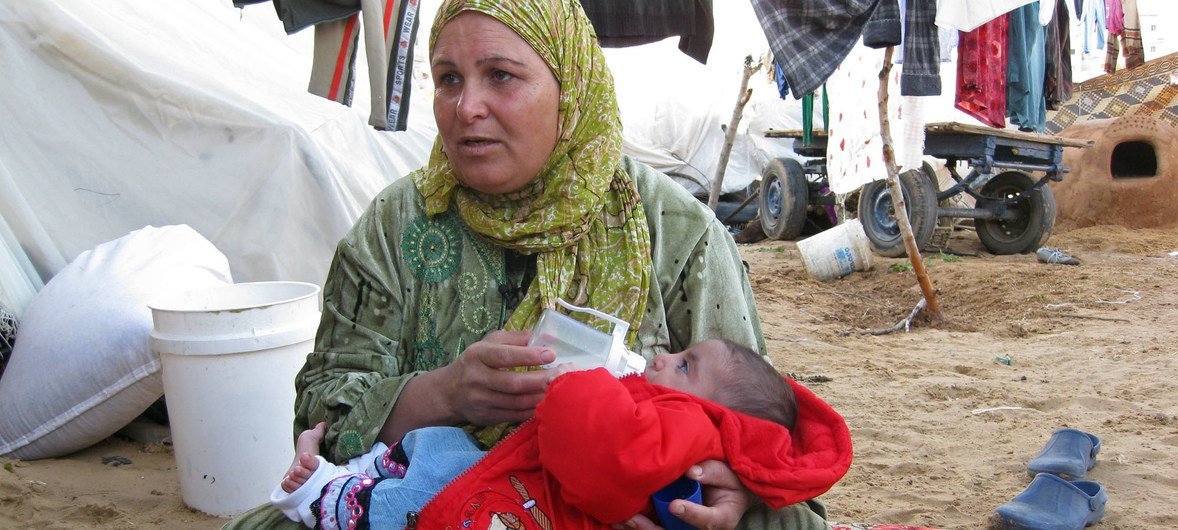
The International Organization for Migration (IOM)’s Camp Coordination and Camp Management (CCCM) team interviewed Faduma upon her arrival to Baidoa.
Faduma comes from Tubay village in Bakool region and is a mother of six children. The family has spent their lives as pastoralists who herd animals and tend to small rain-fed farms.
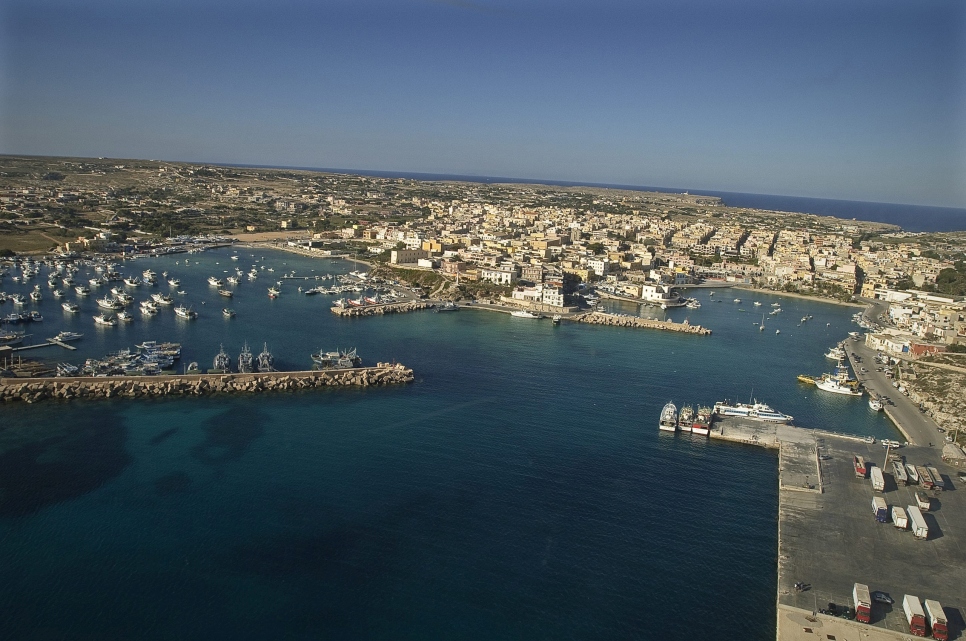
An asylum-seeker allowed to disembark from the Open Arms rescue vessel on the Italian island of Lampedusa recalls the horror of her journey. | Español | Français | عربي
AGRIGENTO, Italy, 23 August 2019 (UNHCR)* – Feven* kept looking at her feet. The 18-year-old’s voice was a whisper amid dozens of asylum seekers at a reception center on the Italian island of Sicily. Memories of her ordeal are still fresh.
28 August 2019 (IGWIA)* — Indigenous peoples in the Amazon rainforest are on the front line of defending themselves and their land from the rapidly spreading fires. A majority of the tens of thousands of fires are happening in Brazil, though fires are also raging in Bolivia where 10,000 km2 of forests (an area the size of Lebanon) have burned, as well as large areas in Paraguay and Peru.
This potential global emergency is yet another example of the ramifications of systematically ignoring and undermining indigenous peoples’ and their rights.
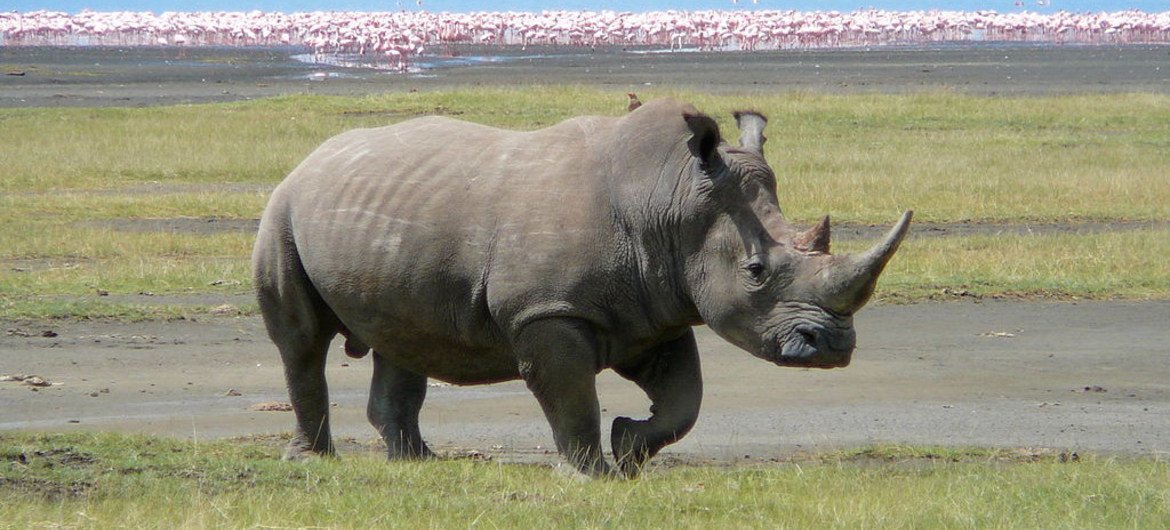
28 August 2019 — At-risk wildlife that is facing a “growing extinction crisis” received a boost on Wednesday, as countries wrapped up a marathon meeting in Geneva, by agreeing to increased protection measures and more sustainable trade in animals and plants across the globe.
.
Ryan Harvey | A southern white rhinoceros at Lake Nakuru, Kenya.
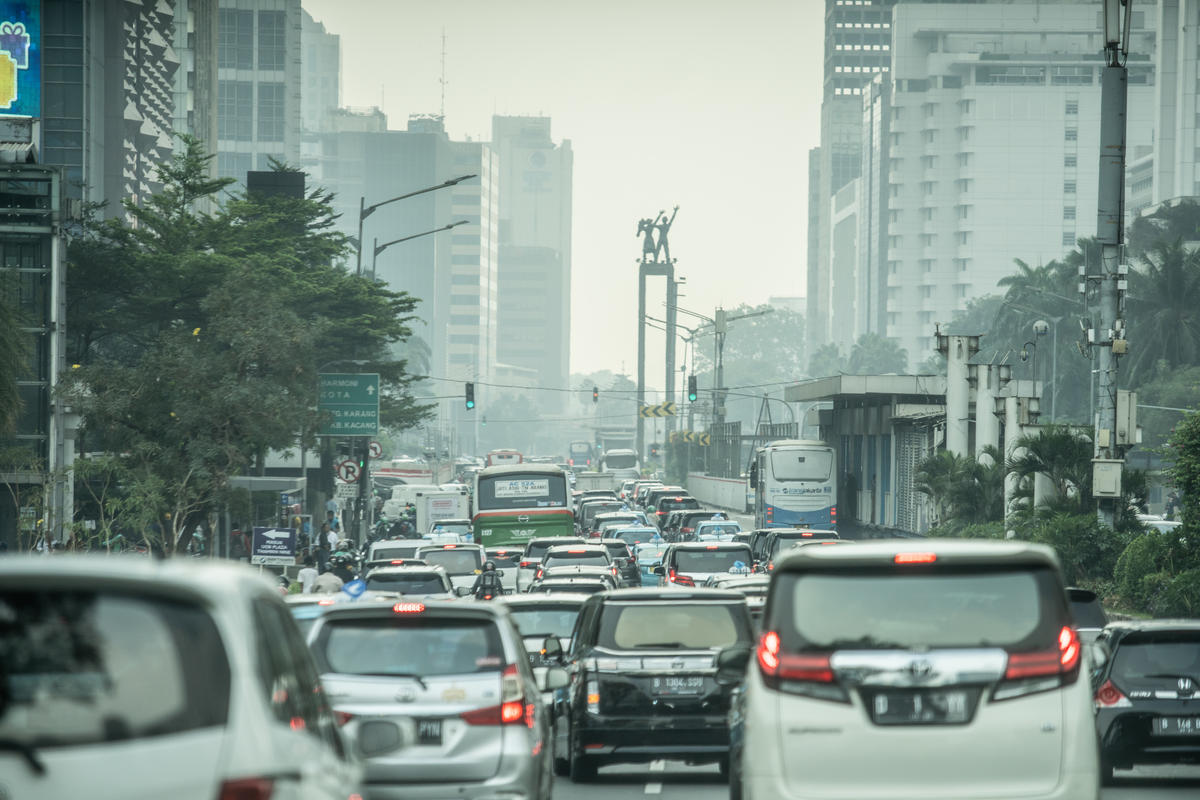
(Greenpeace International)* — It’s scary to think that while we are living in a climate emergency, CO2 emissions — a greenhouse gas driving global climate change — continues to rise each and every month. The transport sector is responsible for about a quarter of those global emissions.
Road transport — which consists of cars, trucks and buses — accounts for a whopping 74 percent of global transport CO2 emissions.In fact, in most places, transport is extremely problematic.Houston, we have a problem.
MANILA, Aug 28 2019 (IPS)* – With the record rate blaze in the Amazon that struck Indigenous communities, the world is confronted by a humanitarian crisis in the midst of an ever-worsening political-economic condition.
.
.
The International Indigenous Peoples Movement for Self-Determination and Liberation (IPMSDL) joins the international chorus of condemnation and call for immediate actions to put an end to the unfolding crisis that jeopardizes the lives of Indigenous Peoples in the Amazon and planet’s survival.
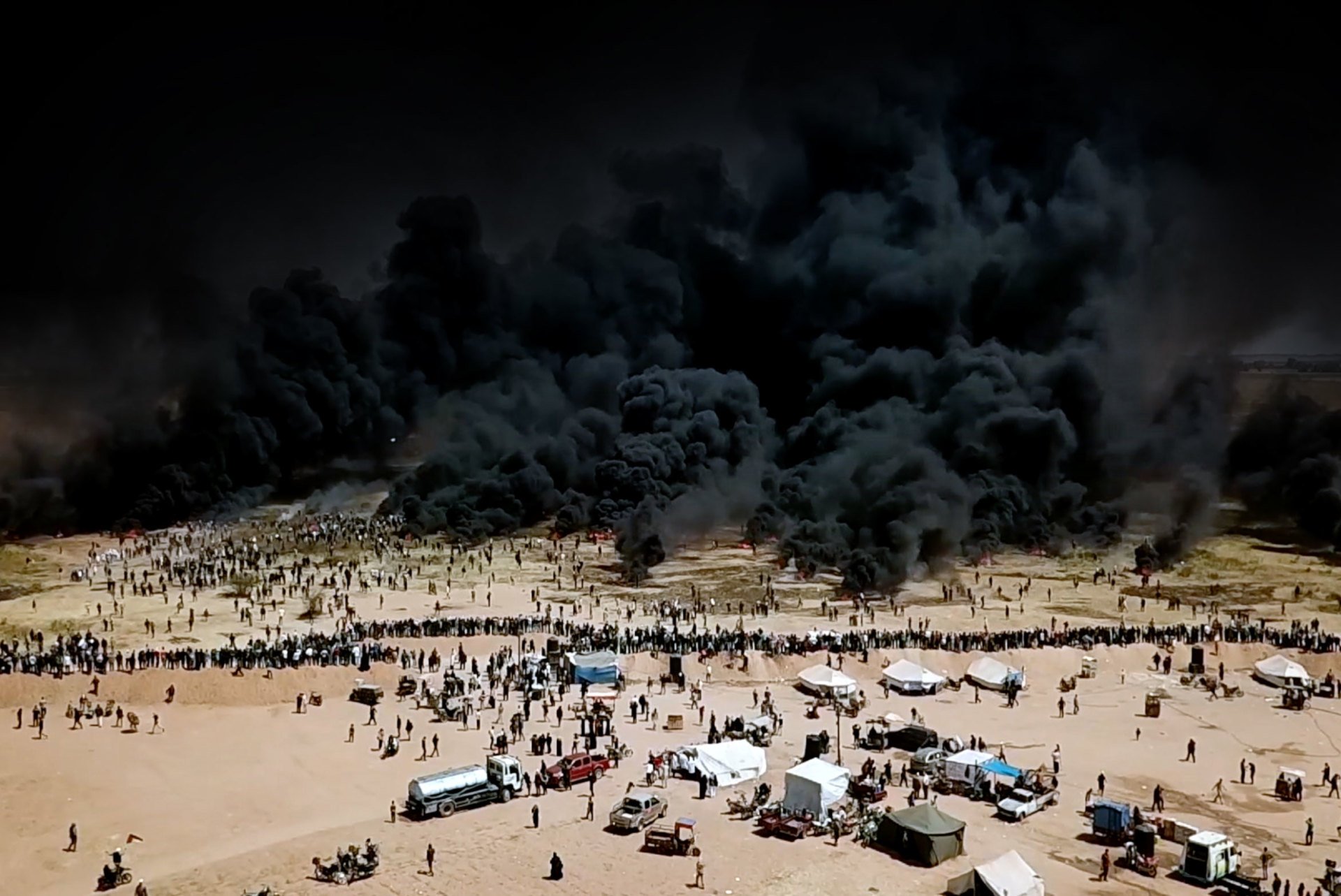
‘Gaza’, a Canadian-Irish documentary made by Andrew McConnell & Garry Keane, gives an insight into how people try to live their lives in this very difficult environment, whether a taxi-driver and his customers, a cello-playing girl or fishermen restricted by gunships to within 3 miles of the shore. It is showing in Belfast, Bristol, Dublin & Newcastle as well as in London and has been well-reviewed.
28 August 2019 (Norwegian Refugee Council)* — “Ten thousand asylum seekers are now living in cramped conditions in a camp that was designed for 3,500 people. With no proper accommodation or even sleeping bags to face the fast approaching winter, the safety of these desperate people is now at risk”, says Benedicte Giæver, Executive Director of NORCAP.
Tangible steps “can, and must, be taken” to urgently reverse the “negative trajectory” of the Palestinian-Israeli conflict and revive the peace process, a senior United Nations envoy told the Security Council on Tuesday [27 August 2019].
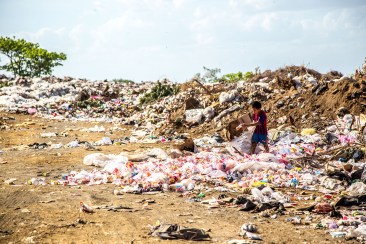
21 August 2019 (UN Environment)* — Landfills around the world are filling up. In 2016, humanity generated over 2 billion tonnes of waste. In the next 30 years, that figure is expected to grow to 3.4 billion.
Where will all this waste end up?
Photo by Unsplash
A recent report by UN Environment’s International Environmental Technology Centre outlines one technology that has the potential to reduce the volume of waste entering landfills by up to 90 per cent.


 .
.
 HUMAN WRONGS WATCH