22/03/2021
International Day of Nowruz, 21 March
Celebration of Nowruz shared by several countries: Afghanistan, Azerbaijan, India, Iran (Islamic Republic of), Iraq, Kazakhstan, Kyrgyzstan, Uzbekistan, Pakistan, Tajikistan, Turkmenistan and Turkey.© UNESCO
21 March 2021 (UNESCO)* — Do you know what Nowruz, Nauryz or Nevruz mean? These words signify ‘new day’ for more than 300 million people around the world, and correspond to celebrations in large parts of Asia (Central, West and South) and from Southeast Europe to the Caucasus and Ural Mountain Range.
read more »
Posted in Africa, Asia, Market Lords, Middle East, Migrants and Refugees, Others-USA-Europe-etc., The Peoples, War Lords |
Leave a Comment »
22/03/2021
21 March 2021 (UN News)* — The United Nations Secretary-General has called on everyone to draw inspiration from Nowruz – the day that celebrates the arrival of the spring season – to strengthen solidarity between communities, as the world looks to recover from the coronavirus pandemic.
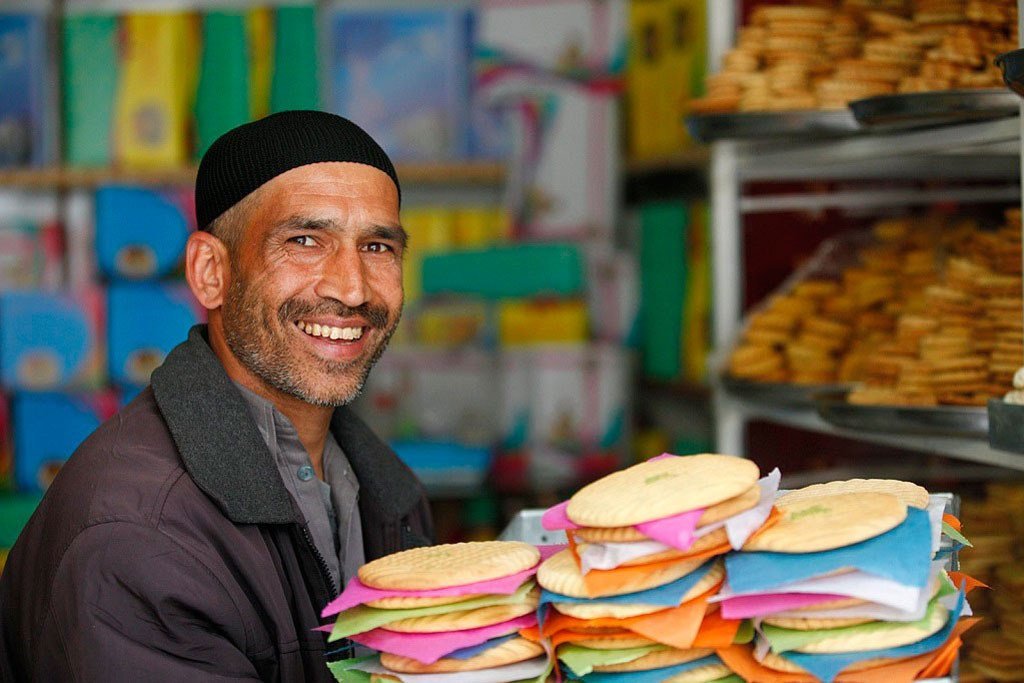
UNAMA/Fardin Waezi | In Afghanistan, bakeries prepare a special type of cookie, called “Kulcha-e Nowrozi,” which is only baked for Nowruz. Other special dishes include “Haft Mewa,” a fruit salad made from seven different dried fruits, and “Samanak” made by women in a special ceremony that includes singing.
Posted in Africa, Asia, Migrants and Refugees, Others-USA-Europe-etc., The Peoples, War Lords |
Leave a Comment »
21/03/2021
19 March 2021 (UNEP)* — Globally, over 3 billion people are at risk of disease because the water quality of their rivers, lakes and groundwater is unknown, due to a lack of data.

UNEP / Lisa Murray / 19 Mar 2021
Meanwhile, a fifth of the world’s river basins are experiencing dramatic fluctuations in water availability, and 2.3 billion people are living in countries categorized as “water-stressed,” including 721 million in areas where the water situation is “critical,” according to recent research carried out by the United Nations Environment Programme (UNEP) and partners.
read more »
Posted in Africa, Asia, Climate Crisis, Latin America & Caribbean, Market Lords, Middle East, Migrants and Refugees, Mother Earth, Others-USA-Europe-etc., The Peoples, War Lords |
Leave a Comment »
21/03/2021
The world needs to get water smart. Everyone has a role to play, and we cannot afford to wait.
18 March 2021 (UNICEF)* — Climate change is disrupting weather patterns, leading to extreme weather events, unpredictable water availability, exacerbating water scarcity and contaminating water supplies. Such impacts can drastically affect the quantity and quality of water that children need to survive.
Today, a change in climate is felt primarily through a change in water. Millions of children are at risk.
read more »
Posted in Africa, Asia, Climate Crisis, Latin America & Caribbean, Market Lords, Middle East, Migrants and Refugees, Mother Earth, Others-USA-Europe-etc., The Peoples, War Lords |
Leave a Comment »
21/03/2021
UNICEF launches new initiative, Water Security for All, to mobilize global support and resources to reach children in water vulnerable hotspots
NEW YORK, 18 March 2021 (UNICEF)* – Globally, more than 1.42 billion people, including 450 million children, live in areas of high, or extremely high, water vulnerability, according to a new analysis released by UNICEF.
This means that 1 in 5 children worldwide does not have enough water to meet their everyday needs.
read more »
Posted in Africa, Asia, Climate Crisis, Latin America & Caribbean, Market Lords, Middle East, Migrants and Refugees, Mother Earth, Others-USA-Europe-etc., The Peoples, War Lords |
Leave a Comment »
21/03/2021
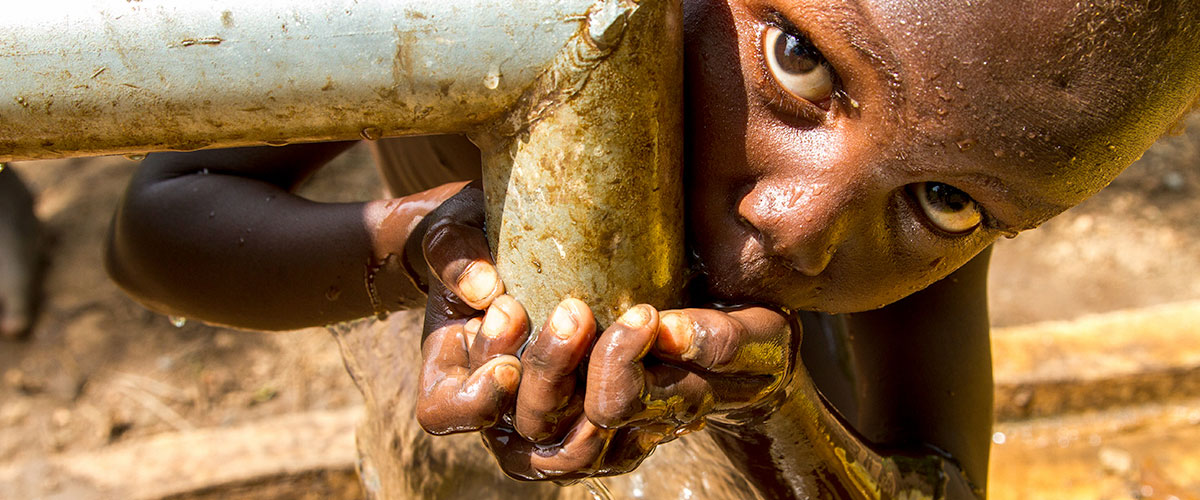
Marakera, an Ethiopian 5-year-old boy, drinks clean piped water. Photo UNICEF Ethiopia/Ayene.
(United Nations)* — Access to water and sanitation is a precondition to life and a declared human right. Water is vitally important to sustainable development – from health and nutrition, to gender equity and economics.
Over the coming years, our water-related challenges will become more urgent.
The increasing demands of a growing population and rapidly developing global economy, combined with the effects of climate change, will exacerbate lack of access to water and sanitation for domestic uses.
read more »
Posted in Africa, Asia, Climate Crisis, Latin America & Caribbean, Market Lords, Middle East, Migrants and Refugees, Mother Earth, Others-USA-Europe-etc., The Peoples, War Lords |
Leave a Comment »
21/03/2021
World Water Day, 22 March 2021
Challenges
Water scarcity will be exacerbated as rapidly growing urban areas place heavy pressure on neighbouring water resources. Climate change and bio-energy demands are also expected to amplify the already complex relationship between world development and water demand.
Posted in Africa, Asia, Climate Crisis, Latin America & Caribbean, Market Lords, Middle East, Migrants and Refugees, Mother Earth, Others-USA-Europe-etc., The Peoples, War Lords |
Leave a Comment »
21/03/2021
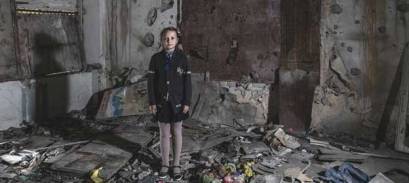
UNITED NATIONS, Mar 19 2021 (IPS)* – The horrendous killings of children in military conflicts and civil wars – both by national armed forces and militant groups – have triggered widespread condemnation by human rights organizations worldwide.
.
Masha Khromchenko stands in the kindergarten classroom that took a direct hit from a shell in the Luhansk region, Ukraine. The UN Security Council has demanded an end to attacks on schools worldwide. Credit: UNICEF/Christopher Morris
But a “list of shame” singling out some of these perpetrators have been politicized leaving out some of these countries under fire, including Afghanistan, Israel (in the killings in occupied territories), Somalia and Yemen (where the killings are blamed on the aerial attacks by Saudi Arabia and the United Arab Emirates).
read more »
Posted in Africa, Asia, Latin America & Caribbean, Market Lords, Middle East, Migrants and Refugees, Others-USA-Europe-etc., The Peoples, War Lords |
Leave a Comment »
20/03/2021
 It may seem like drylands are just barren spaces, but they are actually ecosystems teeming with biodiversity. ©FAO
ROME, 20 March 2021 (FAO)* — When you think of drylands, do you think of miles of empty, barren desert? Well, think again!
Drylands are actually a unique type of ecosystem characterised by water scarcity and low precipitation. Plants and animals here survive on little water, adapted to the droughts and heat waves that are common in these areas.
However, just because these regions are dry does not mean that they are barren. Drylands are still productive landscapes with considerable economic potential and environmental value, but the monitoring and rehabilitation of dryland ecosystems has not attracted as much attention as other ecosystems, such as rainforests. Drylands are vulnerable, yet they are being neglected.
read more »
Posted in Africa, Asia, Climate Crisis, Latin America & Caribbean, Market Lords, Middle East, Migrants and Refugees, Mother Earth, Others-USA-Europe-etc., The Peoples |
Leave a Comment »
20/03/2021
New FAO report finds agricultural losses from natural hazards continue to soar, inflicting economic damage and undermining nutrition
 A woman walking with jerricans to collect water, Somali Region, Ethiopia.
ROME (FAO)* — Agriculture absorbs the bulk of the financial losses and damages wrought by disasters which have grown in frequency, intensity, and complexity, says FAO in a new report released on 18 March 2021.
read more »
Posted in Africa, Asia, Climate Crisis, Latin America & Caribbean, Market Lords, Middle East, Migrants and Refugees, Mother Earth, Others-USA-Europe-etc., The Peoples |
Leave a Comment »
![[alt]](https://ich.unesco.org/img/photo/thumb/15361-BIG.jpg)


 HUMAN WRONGS WATCH