Nine out of 10 people globally breathe polluted air, causing about 7 million premature deaths every year. On 7 September 2020, the United Nations observed the first International Day of Clean Air for blue skies. This article is part of UNEP’s continuing coverage of air pollution and its impact globally.
Unsplash/Ale Alvarez / 21 Oct 2020
(UN Environment)* — Over 40 per cent of the U.S. population – about 134 million people – face health risks resulting from air pollution, -according to the American Lung Association.
At the High Commissioner’s Dialogue on Protection Challenges, participants say those who are forcibly displaced are eager and qualified to help rebuild communities devastated by COVID-19. | Español | Français | عربي
Athens/Marseille, 21 October 2020 (UN Environment)*– Rising inequality, biodiversity loss, the growing impact of climate change and unrelenting pressure on natural resources could lead to irreversible environmental damage in the Mediterranean basin, according to a new report by the UN Environment Programme (UNEP).
Published on 21 October 2020, the State of the Environment and Development in the Mediterranean finds that, unless urgent and resolute action is taken to halt current trends, environmental degradation could have serious and lasting consequences for human health and livelihoods in the region.
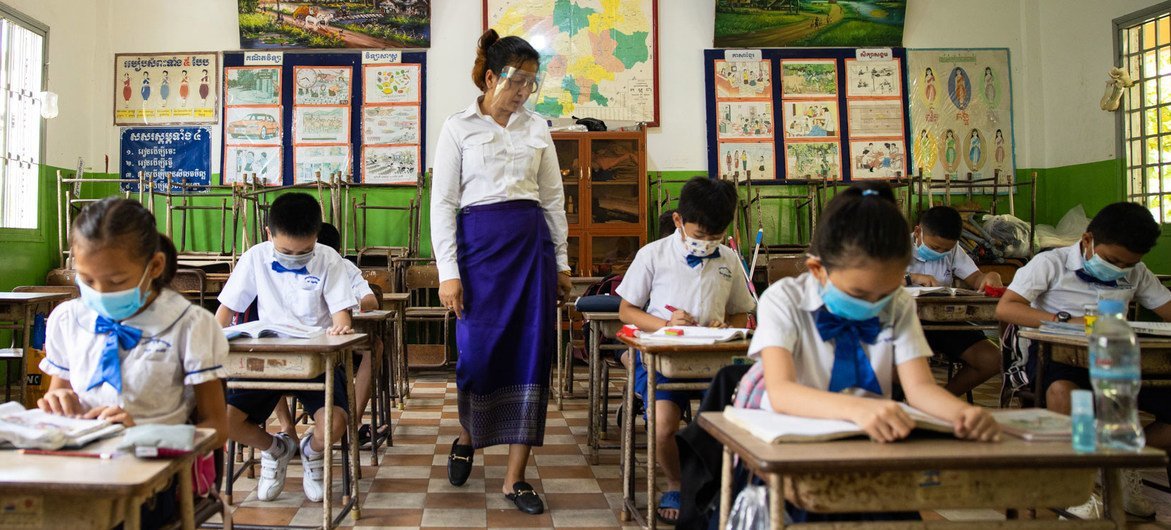
(UN News)* — The world is at risk of suffering “a generational catastrophe” as COVID-19 wreaks havoc on the education of students globally, the UN chief said on Thursday [22 October 2020].
In a video message to the UN Education, Scientific and Cultural Organization’s (UNESCO) Global Education Meeting (GEM), Secretary-General António Guterres reminded delegates that the pandemic had had a “disproportionate impact on the most vulnerable and marginalized children and youth”.
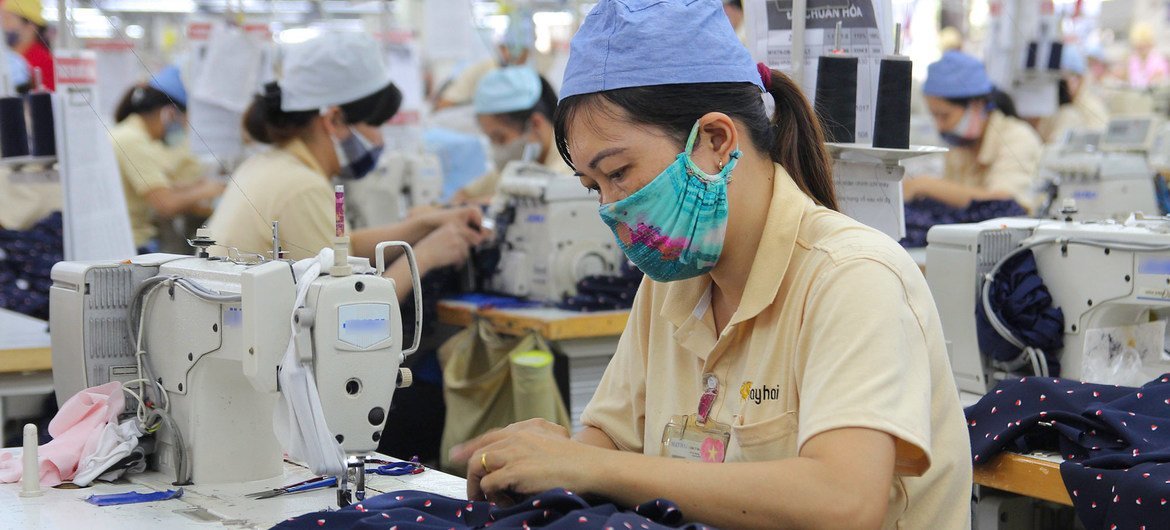
(UN News)* — The COVID-19 pandemic has triggered government lockdowns, collapsed consumer demand, and disrupted imports of raw materials, battering the Asia Pacific garment industry especially hard, according to a new report released on Wednesday [21 October 2020] by the International Labour Organization (ILO).
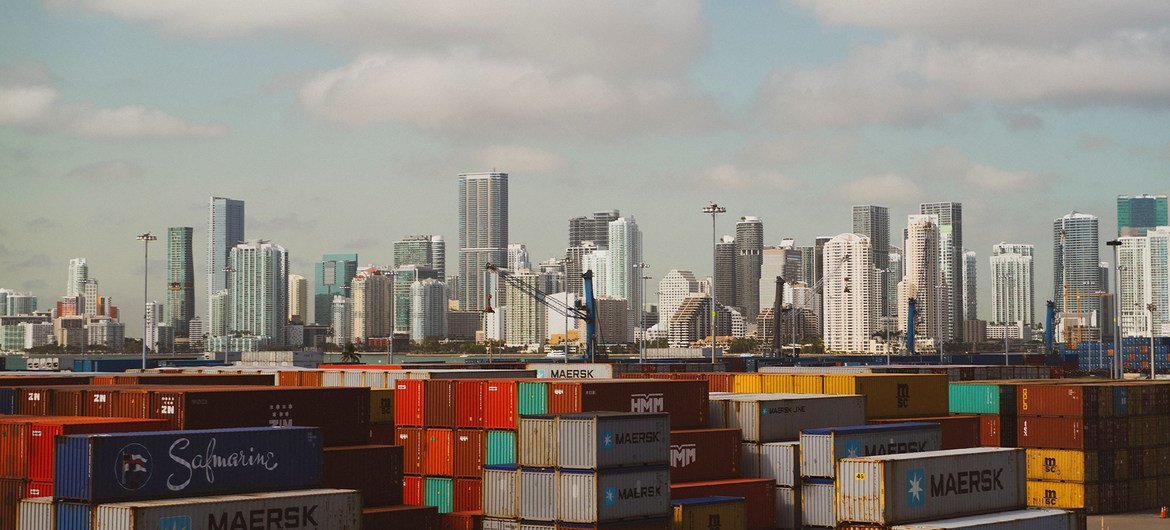
(UN News)* — Although global trade is making a frail recovery, the outlook remains uncertain, UN trade and development body UNCTAD said on Wednesday [21 October 2020], in announcing its latest COVID-era update.
Unsplash/Jared Sanders | Shipping containers at a port in Miami, USA.
.Estimates show that world trade will drop by five per cent this quarter, compared with the 2019 level. While this is an improvement over the nearly 20 per cent decline in the second quarter of the year, it is still not enough to pull trade out of the red.
Furthermore, UNCTAD expects the value of all good traded to contract by seven to nine percent compared to last year, depending on how the COVID-19 pandemic evolves in the winter months.
Mario Lubetkin is Assistant Director General at the Food and Agriculture Organization of the United Nations (FAO)
Women farmers irrigate crops of onions and other vegetables. They participate in a special programme to improve Senegal’s food security. Credit: FAO
ROME, Oct 21 2020 (IPS)* – The month of October 2020 will be recalled as one of the most important moments in raising awareness about world food security, whether in the global debate or in the search for possible concrete solutions. | En español
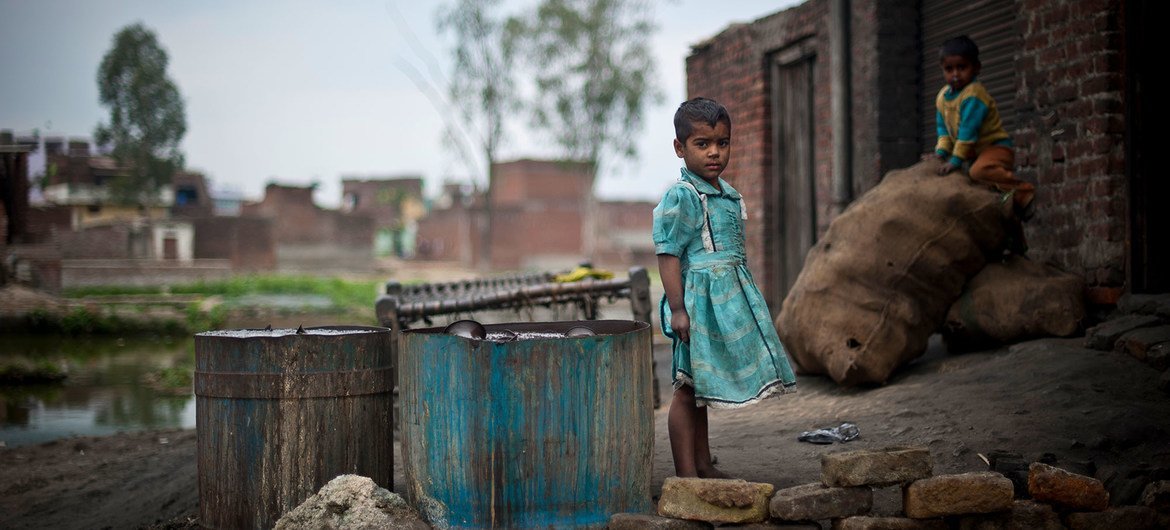
(UN News)* — An estimated one in six children – or 356 million globally – were living in extreme poverty before the COVID-19 pandemic began, and this is set to worsen significantly, according to a new World Bank Group and UN Children’s Fund (UNICEF) analysis released on Tuesday [20 October 2020].
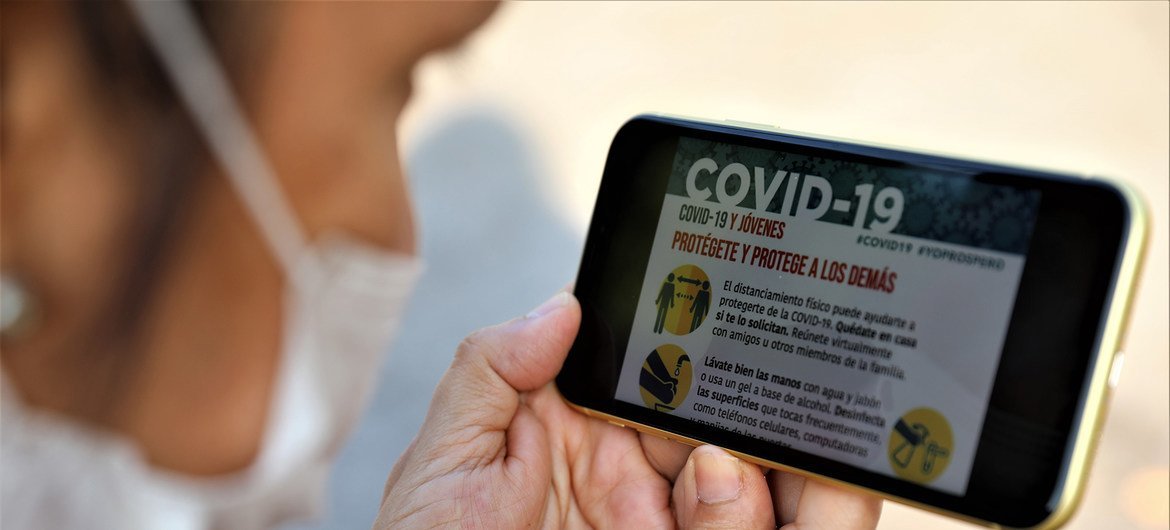
20 October 2020 (UN News)* — With the COVID-19 pandemic sparking a “communications emergency” caused by false information disseminated on social media, the UN Secretary-General is encouraging people everywhere to take a breath before sharing content online.
.
UN OCHA/Gema Cortes | In Venezuela, the Internet is the source of both information and misinformation.
(UN Environment)* — “The world today finds itself in the worst financial and economic crisis in generations. The crisis has triggered an unprecedented policy response: interest rates have been dramatically reduced, in some cases down to almost zero, and hundreds of billions of dollars in liquidity support and fresh capital have been provided to banking systems around the world.”
 Unsplash/Ale Alvarez / 21 Oct 2020

 HUMAN WRONGS WATCH