(UN News)* — Climate change is widespread, rapid, and intensifying, and some trends are now irreversible, at least during the present time frame, according to the latest much-anticipated Intergovernmental Panel on Climate Change .(IPCC) report, released on Monday [9 August 2021].
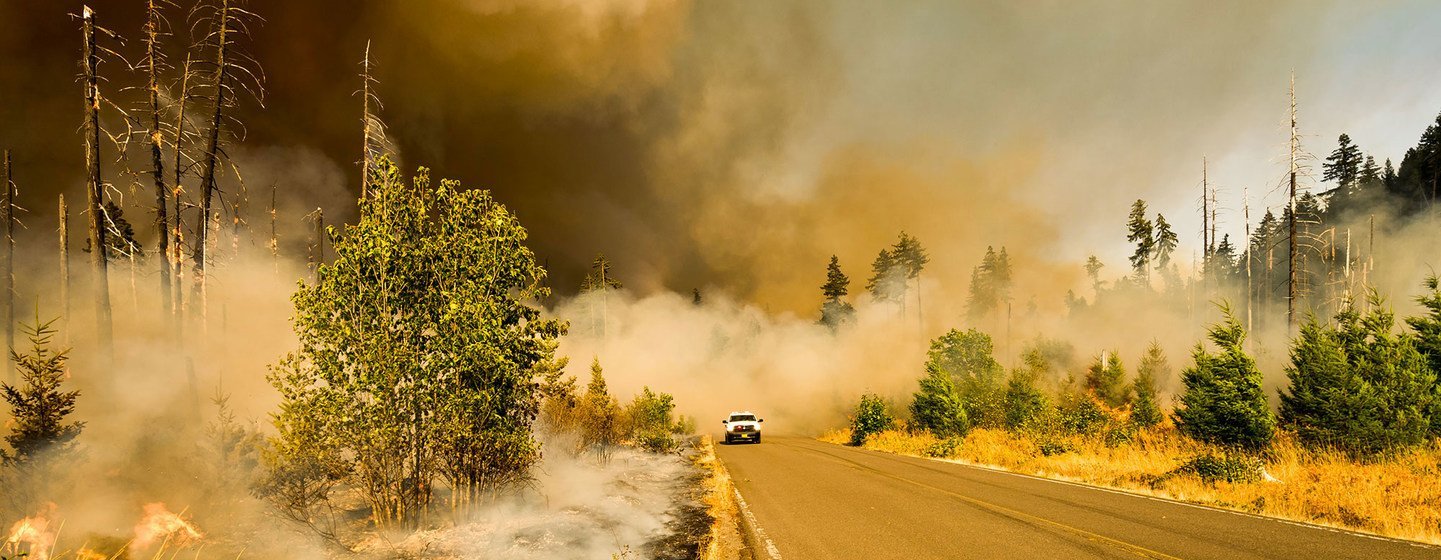
Unsplash/Marcus Kauffman | A wildfire burns in a national park in Oregon, USA.
Human-induced climate change is already affecting many weather and climate extremes in every region across the globe. Scientists are also observing changes across the whole of Earth’s climate system; in the atmosphere, in the oceans, ice floes, and on land.
Many of these changes are unprecedented, and some of the shifts are in motion now, while some – such as continued sea level rise – are already ‘irreversible’ for centuries to millennia, ahead, the report warns.
Indigenous peoples consider 22% of the world’s land surface their home. They live in areas where around 80% of the planet’s biodiversity is found on not-commercially-exploited land. UN Composition with photographs by Manuel Elias, Alessia Pierdomenico, Evan Schneider and Marcel Crozet (left to right.)
There are an estimated 476 million indigenous peoples in the world living across 90 countries. They make up less than 5 per cent of the world’s population, but account for 15 per cent of the poorest. UN Composition with Creative Common photographs
Indigenous peoples around the world continue to face overwhelming marginalization, discrimination and exclusion.
Rooted in colonialism and patriarchy, these profound disparities are sustained by a deeply held resistance to recognizing and respecting the rights, dignity, and freedoms of indigenous peoples.
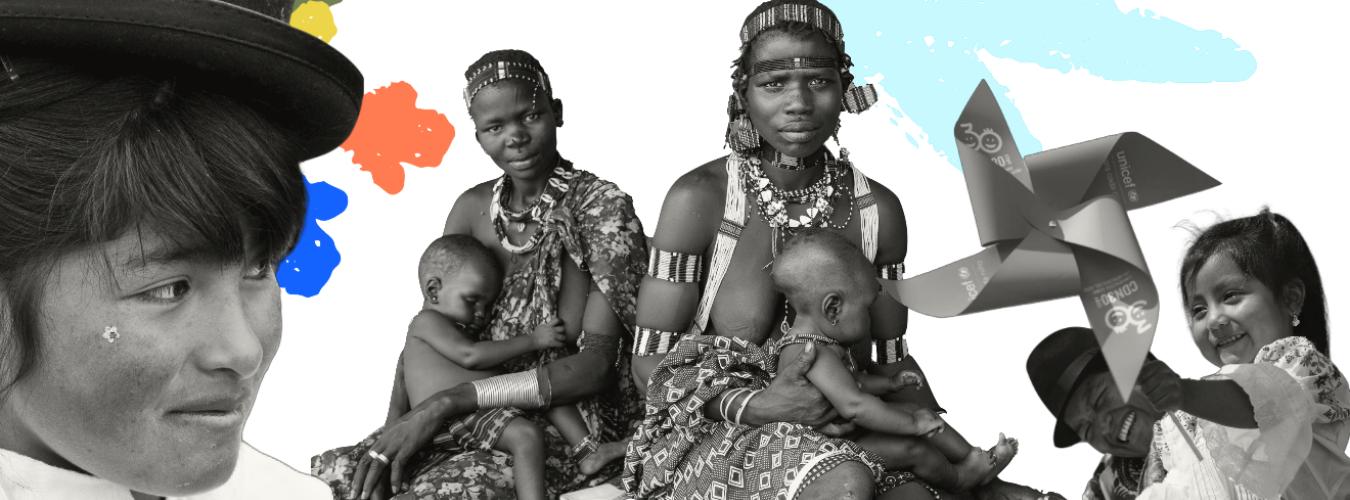
A centuries-old marginalization and a set of different vulnerabilities expose indigenous peoples to the serious effects of the COVID-19 pandemic. PHOTO:UN Composition with photographs by PAHO (left), Martine Perret (center) and UNICEF Ecuador-Arcos (right)
(United Nations)* — There are over 476 million indigenous peoples living in 90 countries across the world, accounting for 6.2 per cent of the global population.
Indigenous peoples are the holders of a vast diversity of unique cultures, traditions, languages and knowledge systems.
They have a special relationship with their lands and hold diverse concepts of development based on their own worldviews and priorities.
It’s not too late to rein in these unaccountable armed giants, but we need to act fast
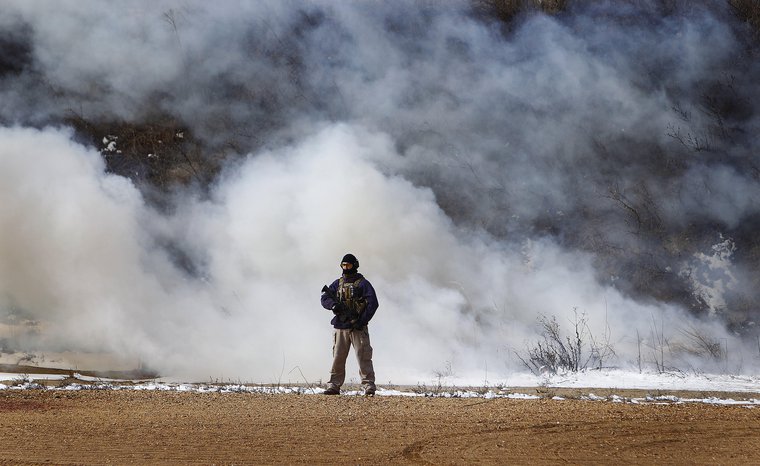
A Tier 1 Group instructor at one of the company’s training sites in Arkansas, US | The Commercial Appeal/ZUMAPRESS.com/Alamy
6 August 2021 (openDemocracy)* — When the journalist Jamal Khashoggi was assassinated by agents of the Saudi government in 2018, it caused an international scandal. Now, it turns out that his killers were trained in the US.
Perhaps the best possible thing we could acknowledge being is a “divided nation.” Failing to do so justifies — or at least avoids noticing — all manner of violent cruelty and repression in the name of so-called democracy, from the jailing of whistleblowers who reveal U.S. war crimes and global criminality, to the lynching of men and women of color . . . to the waging of endless war.
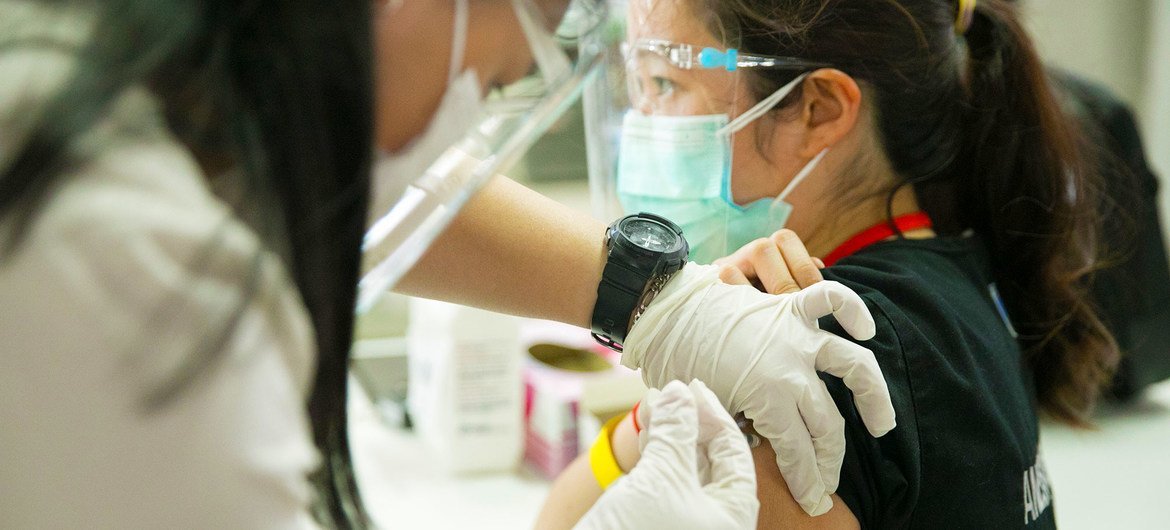
(UN News)* — The remarkable and rapid development of COVID-19 vaccines offers “great hope” that the devastating pandemic can be overcome, the UN chief told the first International Forum on COVID-19 Vaccine Cooperation on Thursday [5 August 2021], but everyone must be reached everywhere, “as quickly as possible”.
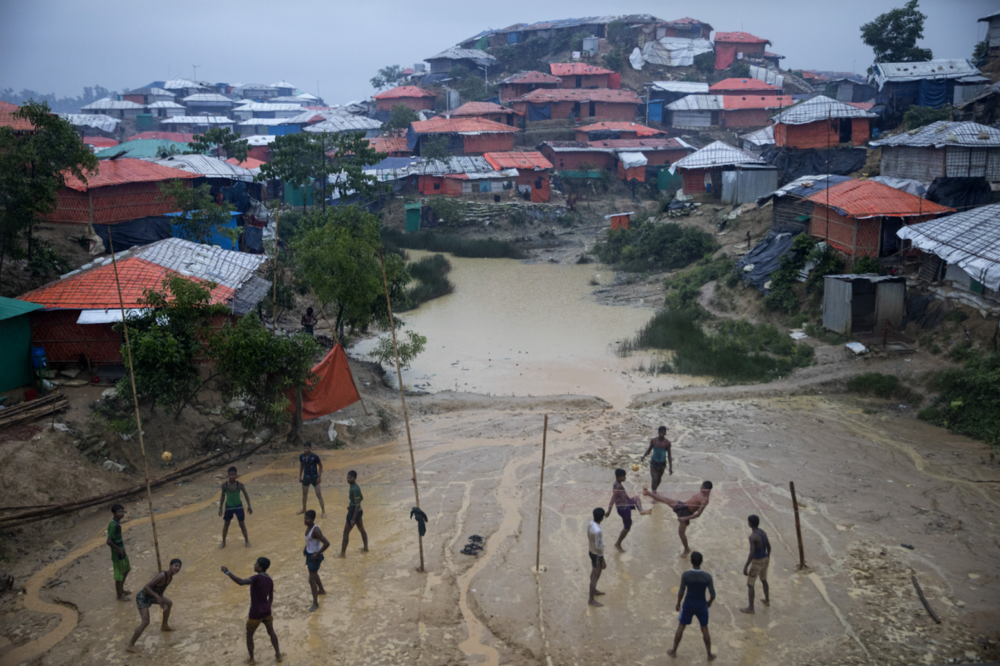
In Bangladesh’s refugee camps, evacuation due to flooding is increasingly common. Paula Bronstein/Getty Images.
July 28th marks the 70th anniversary of the 1951 UN Refugee Convention. This historic document, signed by 149 nation-states, defines refugees as those with a well-founded fear of persecution if returned to their country of origin on the basis of their “race, religion, nationality, membership of a particular social group, or political opinion.”¹
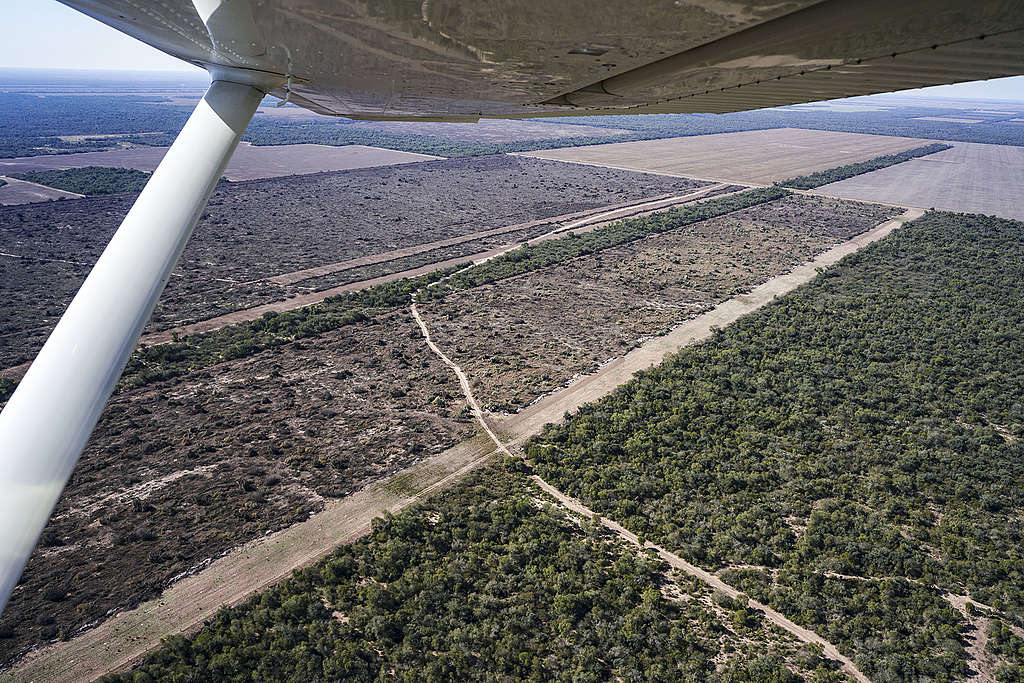
The deforestation of 10,329 hectares was detected by comparing satellite images from November 2020 to July 2021. Greenpeace aerial images from July also show bulldozers in operation, with forest destruction recorded in at least 10 places in the province.
(Greenpeace International)* — Kylian, seven years old, has always refused to cut his lovely long hair. Visiting Aigrettes Island (Mauritius) he is fascinated by the wildlife. Hearing that oil was spilling from the sinking Wakashio, he cuts off his hair to protect the lagoon. His story will inspire others to protect the ocean too.




 HUMAN WRONGS WATCH