9 July 2021 (openDemocracy)* — The UK government’s controversial new policing law will increase the unjust criminalisation of Black, Asian and minority ethnic communities, Labour’s Bell Ribeiro-Addy has warned.
.
The Police, Crime, Sentencing and Courts Bill, which passed through the House of Commons this week, has been condemned by experts over the controversial new powers it gives to police and judges that would allow them to place restrictions on demonstrations and increase sentences for children.
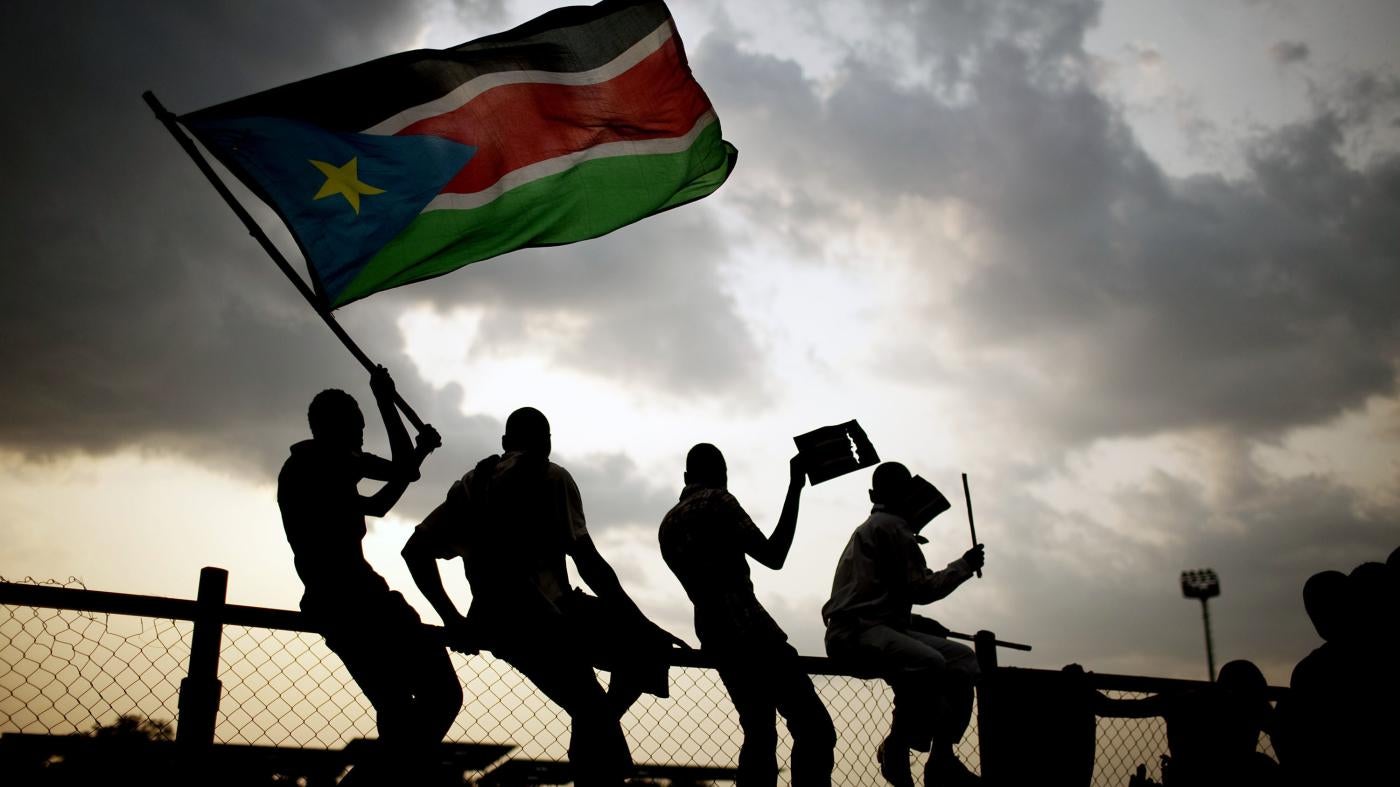
9 July 2021 — Ten years ago, on July 9, 2011, South Sudan gained its long-fought independence from Sudan. Since then, the new country descended into a bloody seven-year civil war, and while a peace deal was inked by warring parties in 2018, fighting between communities, as well as government human rights abuses, rage on.
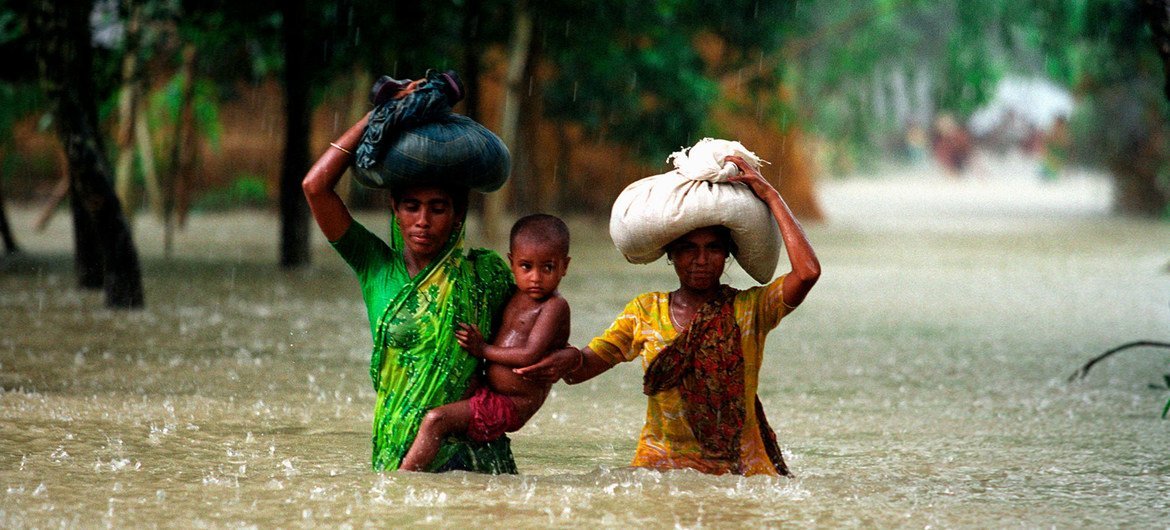
Cox’s Bazar (IOM)* – Almost 900,000 Rohingya refugees in congested camps in Bangladesh’s Cox’s Bazar District desperately need urgent action to secure their future, nearly four years after they were forced to flee Myanmar, a senior International Organization for Migration (IOM) official said.
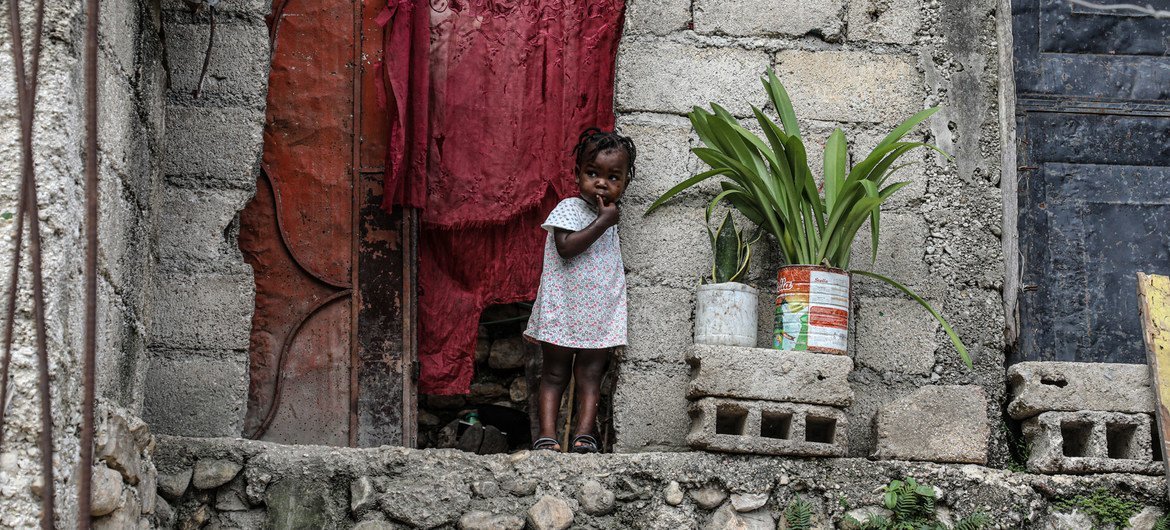
(UN News)* — Nearly a third of all children in Haiti – numbering around 1.5 million – are in urgent need of emergency relief due to rising violence, insufficient access to clean water, health and nutrition, said the UN Children’s Fund UNICEF on 9 July 2021.
9 July 2021 (UNEP)* — When Elderman Ndubiwa Jabulani was invited to a consultation with a cross-sectoral group of local stakeholders from his native Zimbabwe and neighbouring Botswana, he was ready to talk about the elephant in the room.
UNEP/Stephanie Foote / 09 Jul 2021
Or rather, the elephants in the field. Jabulani, a farmer, says the animals regularly trample his fields and ravage his crops in the Hwange district of Zimbabwe.
To wildlife officials, the elephants seemed to be more important than he and his family were.
WWF and UNEP reportsays the problem is as much a development and humanitarian issue as a conservation concern and risks derailingthe Sustainable Development Goals.
Gland (UNEP)* – Conflict between people and animals, from China’s famed wandering elephants raiding farms for food and water to wolves preying on cattle in Idaho is one of the main threats to the long-term survival of some of the world’s most emblematic species, warns a new report from WWF and the UN Environment Programme (UNEP), out 8 July 2021.
(UN News)* — The world’s running out of time to limit global temperature rise to below two degrees Celsius, a matter of life or death for climate vulnerable countries on the front line of the crisis, the UN Secretary General reiterated on 8 July 2021.
Speaking to the first Climate Vulnerable Finance Summit of 48 nations systemically exposed to climate related disasters, António Guterres said they needed reassurance that financial and technical support will be forthcoming.
“To rebuild trust, developed countries must clarify now, how they will effectively deliver $100 billion dollars in climate finance annually to the developing world, as was promised over a decade ago”, he said.
(UN News)* — A new study released on 8 July 2021 by the UN Office on Drugs and Crime (UNODC) illustrates the devastating impact of COVID-19 on victims and survivors of human trafficking and highlights the increased targeting and exploitation of children during the course of the pandemic.
UN Costa Rica/Danilo Mora | Lilith, not her real name, was trafficked from Nicaragua as a teenager and now lives in Costa Rica.
The study further assesses how frontline organizations responded to the challenges posed and continued to deliver essential services, despite restrictions across and within national borders.
Meanwhile, traffickers took advantage of the global crisis, capitalizing on peoples’ loss of income and the increased amount of time both adults and children were spending online.
8 July 2021 (WMO)* — The record-breaking heatwave in parts of the US and Canada at the end of June would have been virtually impossible without the influence of human-caused climate change, according to a rapid attribution analysis by an international team of leading climate scientists. Climate change, caused by greenhouse gas emissions, made the heatwave at least 150 times more likely to happen.
TANGAIL, Bangladesh, Jul 7 2021 (IPS)* – When the Bangladesh Forest Department felled Basanti Rema’s banana orchard, Rema, a Garo indigenous forest-dweller of Madhupur Forest, felt she was living a nightmare.
Indigenous people form a human chain in Tangail district, Bangladesh as they demand legal rights to their ancestral forest land. Credit: Rafiqul Islam/IPS
Rema, from Pegmari village in Madhupur, Tangail district, had cultivated the banana plants on half an acre in the Madhupur Forest. But the Forest Department claimed that the land on which the bananas were cultivated belonged to the department.




 HUMAN WRONGS WATCH