.
World-famous jazz trumpeter and composer, Wynton Marsalis, and renowned jazz bassist, Christian McBride, perform at the inaugural International Jazz Day Concert at UN Headquarters. UN Photo/Devra Berkowitz
.
'Unseen' News and Views
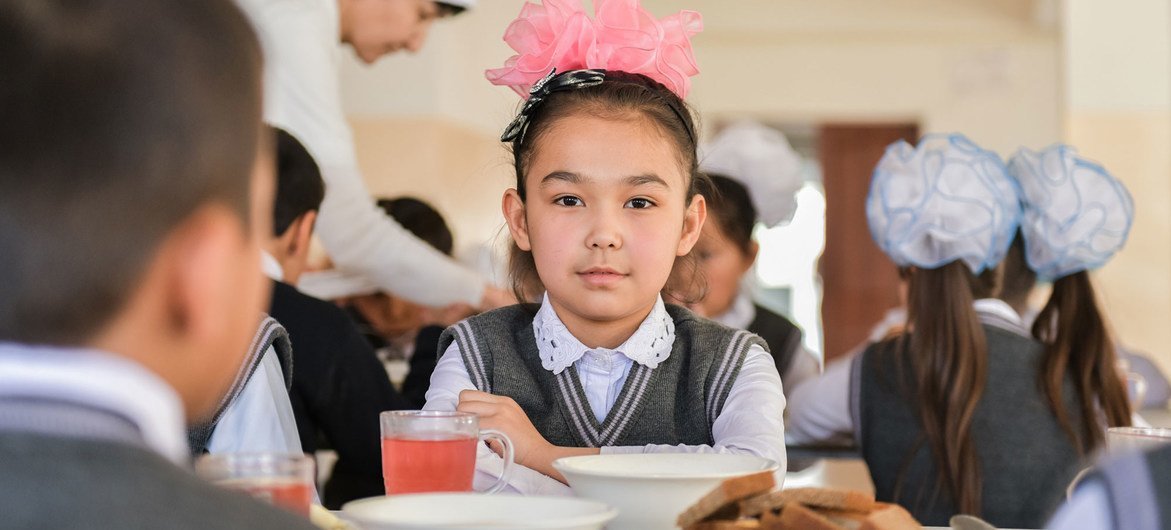
The World Food Programme (WFP) and the UN Children’s Fund (UNICEF) fear these young lives will suffer devastating nutritional and health consequences as a result of the crisis.
“For millions of children around the world, the meal they get at school is the only meal they get in a day. Without it, they go hungry, they risk falling sick, dropping out of school and losing their best chance of escaping poverty”, said David Beasley, the WFP Executive Director.
The latest ILO data on the labour market impact of the COVID-19 pandemic reveals the devastating effect on workers in the informal economy and on hundreds of millions of enterprises worldwide.

GENEVA, 29 April 2020 (ILO)* – The continued sharp decline in working hours globally due to the COVID-19 outbreak means that 1.6 billion workers in the informal economy – that is nearly half of the global workforce – stand in immediate danger of having their livelihoods destroyed, warns the International Labour Organization.
Indicators such as the level of poverty, healthcare capacity, access to internet and social protection can portray how severe the effects of the COVID-19 crisis might be in each of 189 countries.
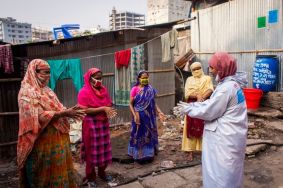
Community workers promote coronavirus prevention awareness and distribute hygiene packages among poor urban households in Bangladesh / Photo: UNDP Bangladesh/Fahad Kaize.
New York (UNDP)* – The United Nations Development Programme (UNDP) today [29 April 2020] released two new data dashboards that highlight the huge disparities in countries’ abilities to cope with and recover from the COVID-19 crisis.
– China and India, which went to war back in 1962 largely over a disputed Himalayan border– and continue a longstanding battle for military supremacy in Asia– have set a new record in arms spending.
Credit: SIPRI
For the first time, the world’s two most populous nations, accounting for a total of over 2.7 billion people, are now among the top three military spenders, ranking behind the United States.
In its latest report on global military expenditures, the Stockholm International Peace Research Institute (SIPRI) says the five largest spenders in 2019, accounting for 62 per cent of expenditures, were the United States, China, India, Russia and Saudi Arabia, in descending order.
27 April 2020 (UN Environment)* — The COVID-19 pandemic has revealed the vulnerability of our global systems when it comes to environmental, health and economic issues. As the crisis continues, there is an increasing recognition of how multiple economic, social and institutional drivers exacerbate environment risks, including global heating, resilience and human health.
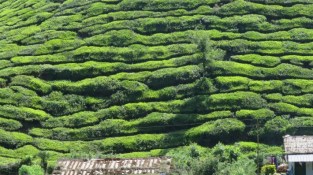
India is one of the most disaster-prone countries in the world, with hydrological (water-related) disasters being among the most frequent and having high mortality and damage costs. Nature-based solutions offer some of the best ways to mitigate the impacts of flooding.

Australia DirectorPearsonElaine
Authoritarian-leaning countries in southeast Asia are using the Covid-19 pandemic as a pretext to further repress human rights, which the Australian government cannot afford to ignore.
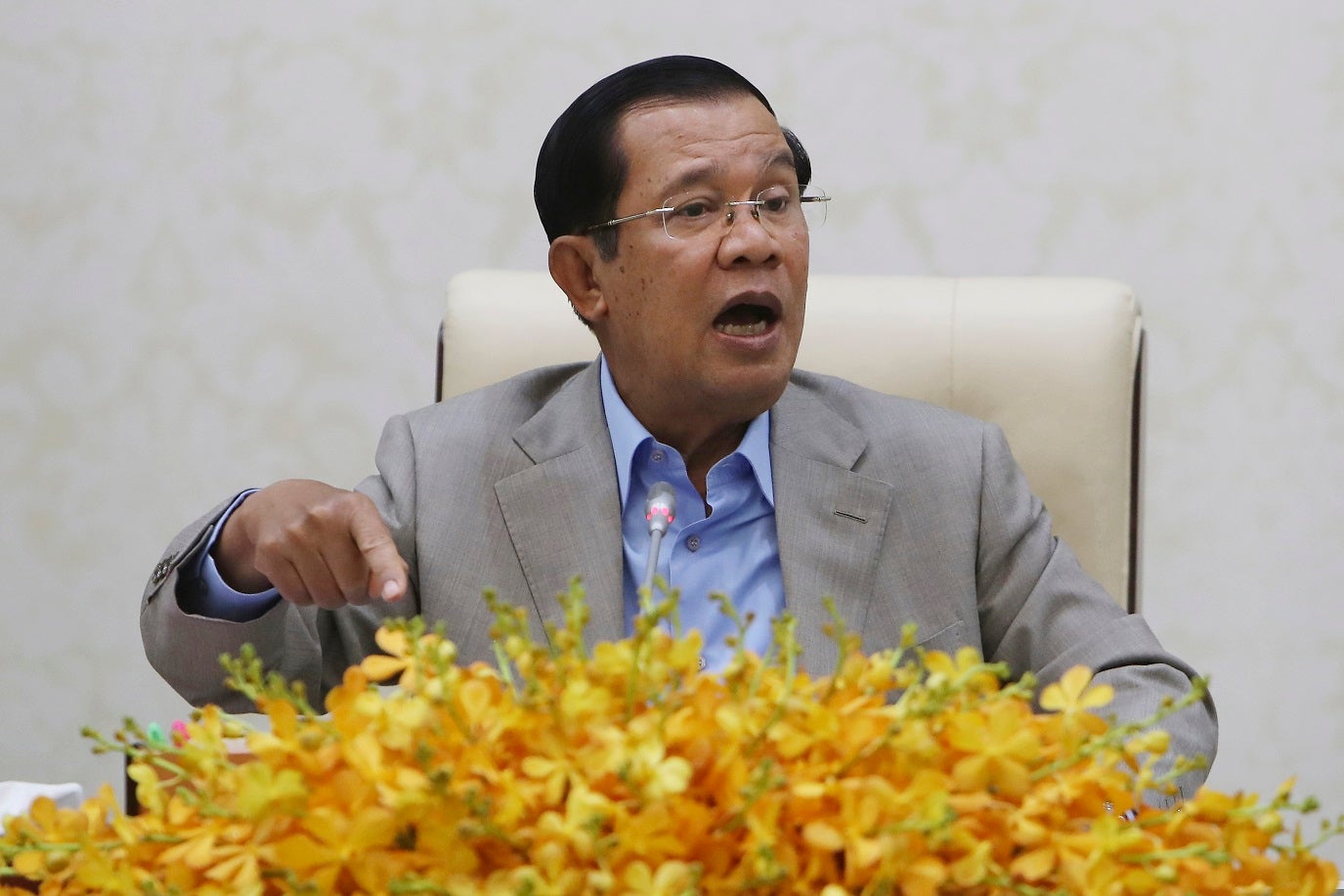
Cambodia’s Prime Minister Hun Sen gestures during a speech on the current state of the coronavirus in Phnom Penh, Cambodia, Thursday, Jan. 30, 2020 © 2020 AP Photo/Heng Sinith
In Cambodia, a new state of emergency law will further entrench the rule of strongman Prime Minister Hun Sen, already one of the world’s longest-serving political leaders.
The number of people fleeing conflict or violence but remaining within their own countries has reached an all-time high, according to a report published today [28 April 2020] by the Internal Displacement Monitoring Centre (IDMC). | Español | Français
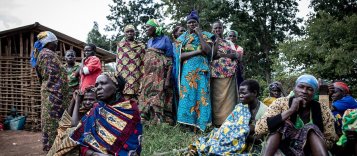 Internally displaced people at a camp in Ituri, Democratic Republic of the Congo, in 2019. © UNHCR/John Wessels
The excerpt below is from Carl Sagan’s book, Pale Blue Dot, and it was inspired by an image recorded by Voyager-1 on 14 Feb 1990.
As the spacecraft was leaving the solar system for its no-return outer-space exploration trip, NASA technicians redirected the camera for a last photo of Planet Earth behind.
Voyager was about 6.4 billion kilometers (4 billion miles) away when it captured this unique, historical, unflattering portrait of the world.
Among light rays from the Sun, our Earth appears as a tiny, almost invisible point of light 0.12 pixel in size in the beam to the right of the frame. The landmark photo was by Sagan’s request.
 World military expenditure, by region, 1988–2019
 HUMAN WRONGS WATCH