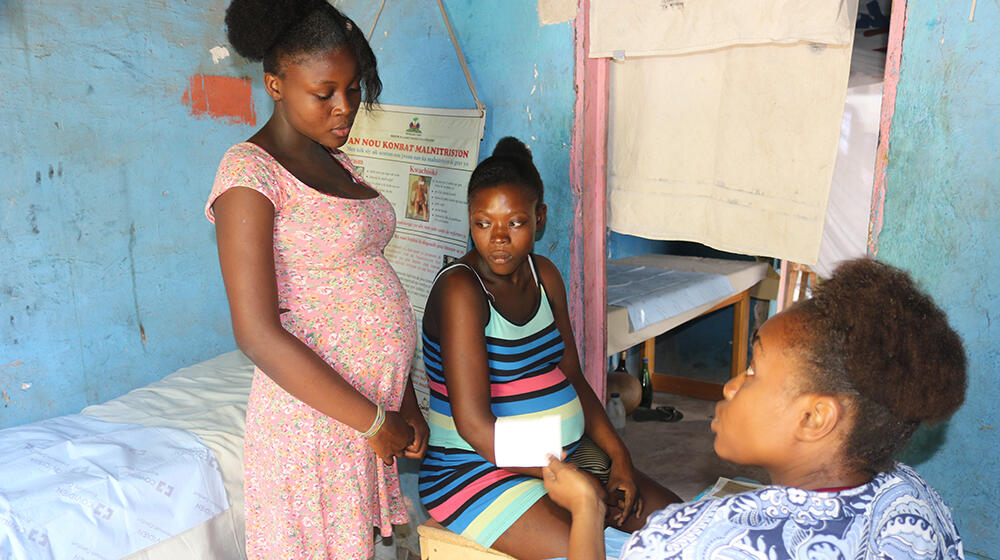
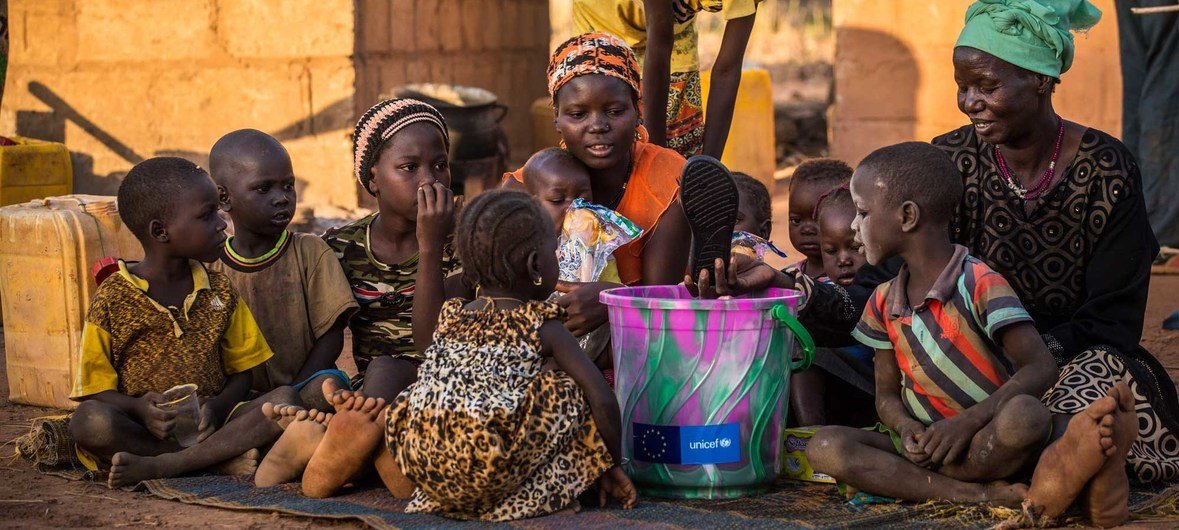
UNITED NATIONS, New York/BAMAKO, Mali/PORT-AU-PRINCE, Haiti, 1 Aprol 2020 (UNFPA)* – Out of nine pregnancies, Kadiatou experienced five tragic stillbirths, all at her home in rural Mali. Each time, she gave birth without the assistance of a skilled attendant. She never received antenatal care.
1 April 2020 (Wall Street International)* — The body is the temple of our soul. It does a great job for us, even though we very often take it for granted.
As I write in my book The Power of Women’s Thought, for centuries women have structured their identity around their physical appearance, so it is not surprising that many of us still feel insecure or not loving their bodies or totally dependent on the judgment of others.
UNITED NATIONS, Apr 1 2020 (IPS)* – The deadly, fast-spreading coronavirus which upended three key UN conferences—on the empowerment of women, on nuclear disarmament and on indigenous rights—claimed another casualty last week when a commemorative meeting on the transatlantic slave trade was postponed.
Credit: UN Office of the High Commissioner for Human Rights (OHCHR)
1 April 2020 (UN Environment)* — Are you stuck in self isolation to help flatten the coronavirus curve? On official quarantine or lockdown? Are you taking on a new role as “home school teacher due to school closures? Here are a few ways to bring the outside in — enjoyable for learners of all ages.
Shady Rabab with a flute made from an old plastic bottle. Photo by UNEP
Explore the underwater world from the comfort of your home.
The COVID-19 pandemic is exacerbating already existing inequalities – from catching the virus, to staying alive, to coping with its dramatic economic consequences. Policy responses must ensure that support reaches the workers and enterprises who need it most.
.
GENEVA, 30 March 2020 (ILO)* – In many countries, income inequality has risen steeply since the 1980s, with adverse social and economic consequences. The COVID-19 pandemic now cruelly highlights those inequalities – from catching the virus, to staying alive, to coping with its dramatic economic consequences.
Joint press release from OHCHR, IOM, UNHCR and WHO
31 March 2020 (UNHCR)* — In the face of the COVID-19 crisis, we are all vulnerable. The virus has shown that it does not discriminate – but many refugees, those forcibly displaced, the stateless and migrants are at heightened risk. | Español | Français |عربي
(UN News)* — As the world exhibits new bonds of solidarity in response to the coronavirus pandemic, it is a matter of “humanitarian and practical urgency to lift unilateral economic sanctions immediately,” to prevent hunger crises in pandemic-hit countries, a UN human rights expert, said on Tuesday [31 March 2020].
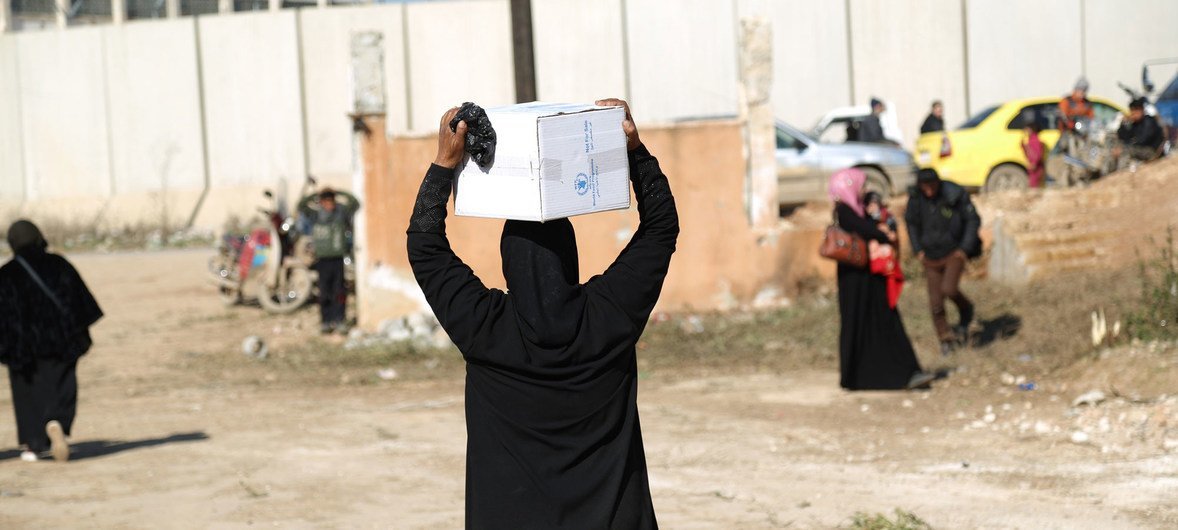
WFP/Beyaz | The UN World Food Programme (WFP) and partners are working around the clock to provide food to displaced families in northwest Syria.
The continued imposition of such measures on Syria, Venezuela, Iran, Cuba and Zimbabwe in particular, severely undermines the fundamental right to sufficient and adequate food, Hilal Elver, the UN Special Rapporteur on the Right to Food, stressed.
There is a remarkable contrast in the way that governments around the world have responded to the COVID-19 pandemic and the way that they have responded to the climate emergency.
John Scales Avery
The pandemic, which indeed represents an extremely grave danger to humanity, has produced a massive global response.
Borders have been closed, airlines have become virtually inoperative, industries, restaurants and entertainments have been closed, sporting events have been cancelled or postponed, people have been asked to stay at home and practice social distancing, and the everyday life of citizens around the world has been drastically changed.
By contrast, let us consider the threat that if immediate action is not taken to halt the extraction and use of fossil fuels, irreversible feedback loops will be initiated which will make catastrophic climate change inevitable despite human any human efforts to prevent it.
In what is being called the worst financial crisis since 1929, the US stock market has lost a third of its value in the space of a month, wiping out all of its gains of the last three years. When the Federal Reserve tried to ride to the rescue, it only succeeded in making matters worse. The government then pulled out all the stops. To our staunchly capitalist leaders, socialism is suddenly looking good.
Ellen Brown
The financial crisis began in late February, when the World Health Organization announced that it was time to prepare for a global pandemic.
The Russia-Saudi oil price war added fuel to the flames, causing all three Wall Street indices to fall more than 7 percent on March 9. It was called Black Monday, the worst drop since the Great Recession in 2008; but it would get worse.
(UN News)* — The economic fallout from COVID-19 is likely to get “much worse” before it gets better for some six billion people living in developing economies, the UN said on Monday[30 March 2020], in an appeal for a $2.5 trillion rescue package to boost their resilience to further hardship.
According to new analysis from UNCTAD, the UN trade and development body, commodity-rich exporting countries will face a $2 trillion to $3 trillion drop in investment from overseas in the next two years.




 HUMAN WRONGS WATCH