Archive for ‘Latin America & Caribbean’

07/12/2019

The Origin Of Language

Human Wrongs Watch

By Angelo Tartabini*

Verba et voces.

(Orazio)

3 December 2019 (Wall Street International)* — Since we have been Homo sapiens, the language has deeply transformed our way of seeing the world, but it has not cut those strong and substantial ties that link the human communication to that of other animals, in particular chimpanzees.
Sign language
Sign language (Image posted here from Wall Street International Magazine).

Such a unique way of communicating in our species, takes place, from an ontogenetic point of view, in a true and real cognitive revolution which happens in the child when he or she is about one and a half years old, when he or she discovers the other children are also intentional agents.

read more »
06/12/2019

The Climate Bombs

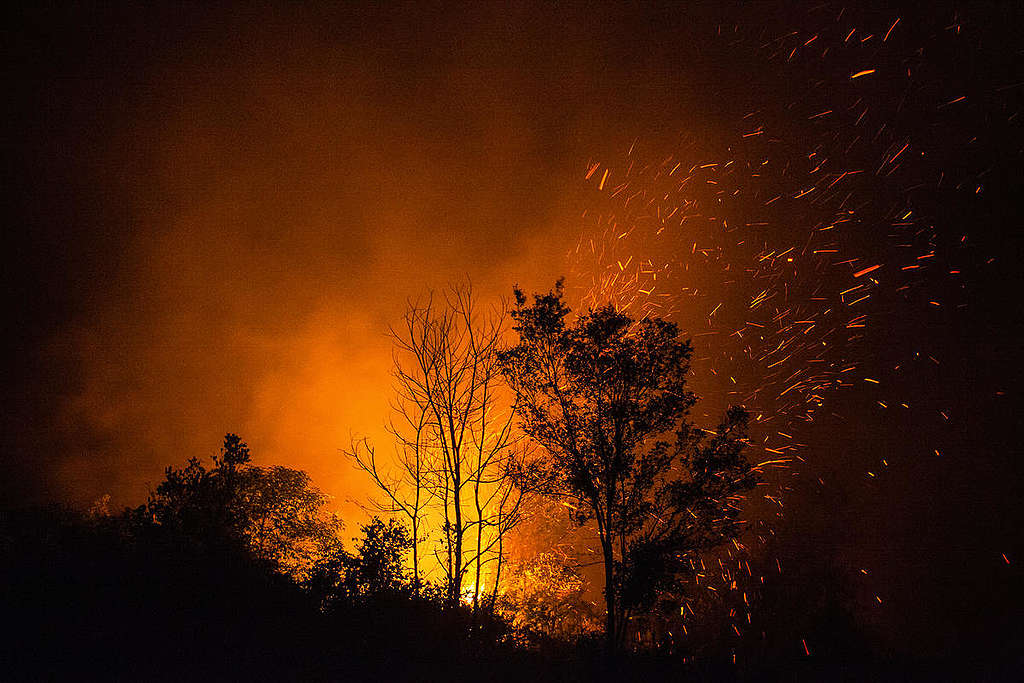
Forest Fires in Central Kalimantan. © Jurnasyanto Sukarno / Greenpeace
Fires burn trees at a plantation area, in Palangkaraya city, Central Kalimantan. This year’s nearly 2,000 wildfires are burning across Indonesia. It is the worst year since 2015. Officials estimate that the fires have burned more than 800,000 acres. Greenpeace criticized the government for not taking action against the companies that set fires to clear land for agriculture purposes.

read more »

06/12/2019

Oikonomia: Bringing the Economy Back to the Earth

Human Wrongs Watch

By Prof. Vandana Shiva | Navdanya International – TRANSCEND Media Service*

Economy: From Care and Management of “Oikos” to a Money Machine at War with the Planet and People

oikos-agriculture-vandana-shiva

Manlio Masucci

The word ‘economy’ has its roots in the Greek word ‘oikos’, which originally referred to household, house, or family, its daily operations and maintenance. Economy, derived from Oikonomia is thus the management of the home.

read more »

06/12/2019

‘Kihamba’ Agricultural Systems Secure a Future of Young Farmers on the Slopes of Kilimanjaro

Human Wrongs Watch

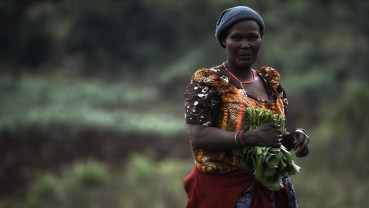
6 December 2019 (FAO)*On the slopes of Mount Kilimanjaro, in the Chagga community’s Shimbwe Juu village, much of the area is divided into ‘Kihamba’, plots of land with a traditional home and garden. Here, the Kihamba help form a multilayered agroforestry system that boasts over 500 types of plants and is rich in biodiversity.

large_Story-slot1

The Chagga community’s “Kihamba” are recognized as a Globally Important Agricultural Heritage System (GIAHS). Combining biodiversity and resilient ecosystems, these GIAHS sites have stood the test of time and can protect food security for many communities, even in a changing climate. ©FAO/Felipe Rodriguez

06/12/2019

Stop Soil Erosion, Save Our Future – World Soil Day

5 December 2019 (FAO)*World Soil Day 2019 (#WorldSoilDay) and its campaign “Stop soil erosion, Save our future” is envisaged to raise awareness on the importance of sustaining healthy ecosystems and human well-being by addressing the increasing challenges in soil management and, raise the profile of healthy soil by encouraging governments, organizations, communities and individuals around the world to engage in proactively improving soil health.
06/12/2019

One Soccer Pitch of Soil Is Eroded Every Five Seconds – 5 Reasons Why We Need to Protect Our Soils

Human Wrongs Watch

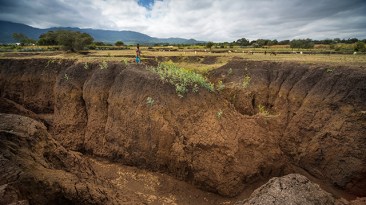
By FAO* — One of the key ingredients to a #ZeroHunger future is the soil beneath our feet. Although it may not look like much, soil is full of water, nutrients and microorganisms that are vital for growing our food. However, soil is a finite resource – restoring even a few centimetres of soil can take up to 1 000 years. So if we want to ensure food security and improved nutrition in the future, we need to take care of our soil today.

Soil-story.jpgOne of the major threats to soil is erosion, which affects the production of up to 95 percent of the food we eat. ©Carey Marks/University of Plymouth (Photo posted here from FAO’s story).

read more »

06/12/2019

Rise in Caribbean Children Displaced by Storms – Nearly Six-Fold in the Past Five Years – Shows Climate Crisis Is a Child Rights Issue: UNICEF

Human Wrongs Watch

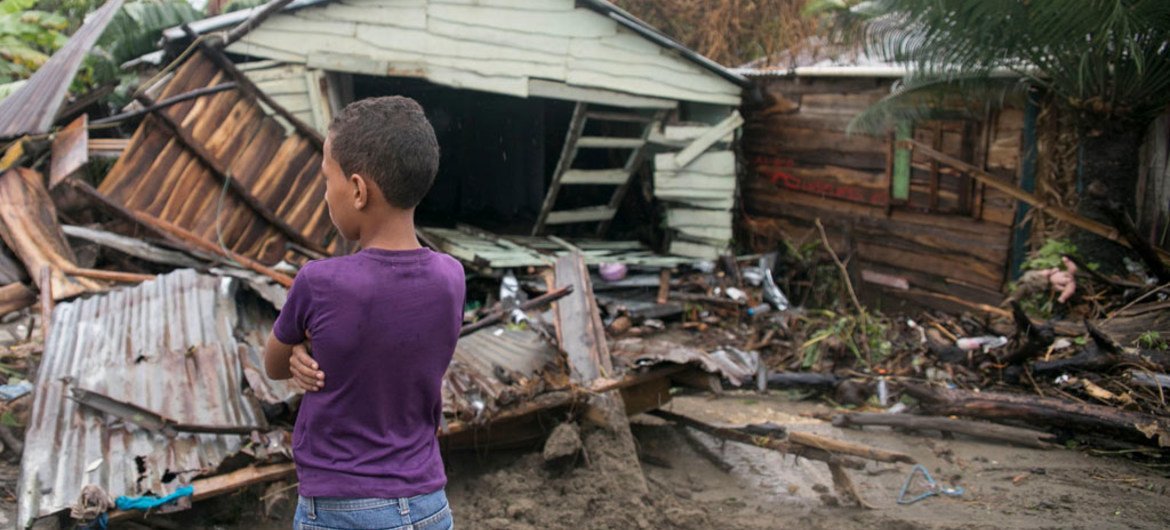
The number of Caribbean children displaced by storms has risen approximately six-fold in the past five years, the UN Children’s Fund (UNICEF) reveals in a new report released on Friday [6 December 2019]. (*).

© UNICEF/UN0119399/ | A seven-year old boy stands in front of debris as Hurricane Irma moves off from the northern coast of the Dominican Republic.
.
Catastrophic tropical cyclones and hurricanes uprooted an estimated 761,000 children in the region between 2014 and 2018, which also was the hottest five-year period on record.
05/12/2019

World Food Prices Rose Significantly in November, Reaching Their Highest Point in More than Two Years

Human Wrongs Watch

Meat and vegetable oils lead FAO Food Price Index upwards, while cereal prices dip amid record output even as weather weighs in Africa

Photo: ©FAO/Yasuyoshi Chiba

A strong rice harvest is expected in Madagascar.

ROME, 5 December 2019 (FAO)* World food prices rose significantly in November, reaching their highest point in more than two years, driven by jumps in the international prices of meat products and vegetable oils.

read more »

05/12/2019

Indigenous Knowledge, a Lesson for a Sustainable Food Future

Human Wrongs Watch

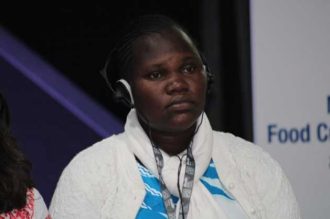
MILAN, Italy, Dec 4 2019 (IPS)*Local knowledge systems rooted in traditional practices and culture passed down generations provide sustainable solutions to food and nutritional insecurity on the back of climate change, a conference heard this week.

Geraldin-Lengai_-629x419

read more »

05/12/2019

A Record Number of People Will Need Help Worldwide During 2020: UN Humanitarian Overview

Human Wrongs Watch

4 December 2019 (UN News)*A record 168 million people worldwide will need help and protection in crises spanning more than 50 countries in 2020, the UN’s emergency relief chief has said, in an appeal for nearly $29 billion in humanitarian aid from donors.

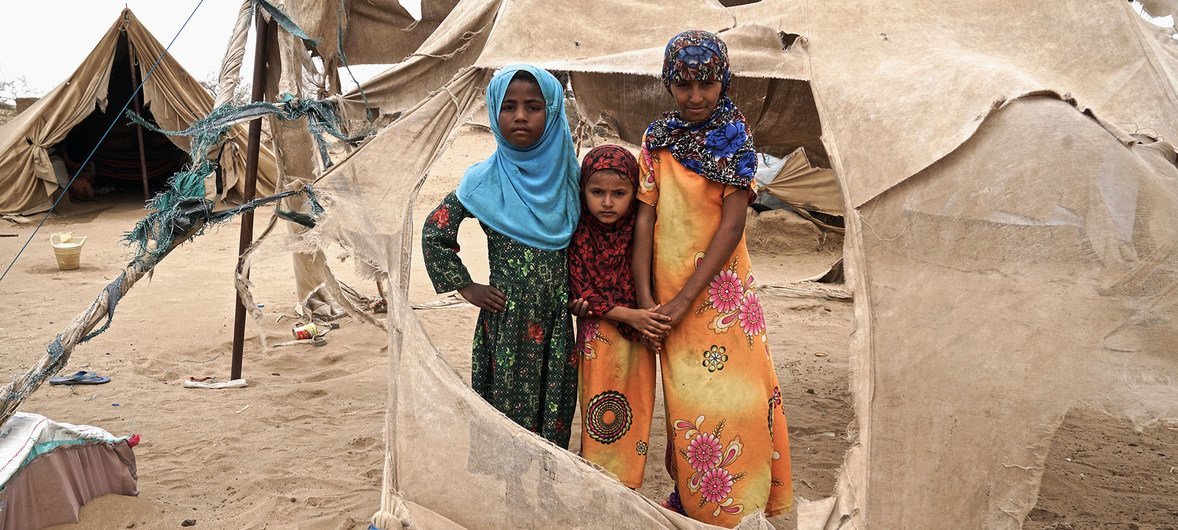
OCHA/Giles Clarke | Displaced children stand in the shredded remains of tents in Abs settlement, Yemen, for internally displaced persons. Located just 40 km from the frontlines, the settlement is regularly damaged by passing sandstorms.