(UNFPA)* — A revolution started in 1994, but it is unfinished. Twenty-five years ago, 179 governments agreed that sexual and reproductive health and rights are the cornerstone of global development.
That decision, in Cairo at the International Conference on Population and Development, recognized that when people are empowered to make their own choices about reproduction – free of force, coercion and fear – the whole world prospers.
Despite this agreement, millions of women and girls have yet to see these promises fulfilled.
At a time when innovation is dominant, shaping and changing the way people live in every part of the world, we have to be intentional about its use to positively impact the lives of women and girls.
(Photo: Marco Grob.) Phumzile Mlambo-Ngcuka is Executive Director of UN Women.. Bio
That means making sure they are not only consumers of innovation, but take their place as innovators.
With their engagement, both design and execution of solutions can address the unique needs of women and girls, from the creation of decent work to delivery of products, services and infrastructure for women in all walks of life.
This year’s theme for International Women’s Day, “Think Equal, Build Smart, Innovate for Change” puts innovation at the centre of efforts to reflect the needs and viewpoints of women and girls and to resolve barriers to public services and opportunities.
4 March 2019 (UN Women)* — Globally, 1.7 billion adults remain unbanked, and 56 per cent of them are women, according to latest data from The World Bank. The trend continues in Africa, where up to 95 million unbanked adults receive cash payments for agricultural products, and 65 million save using semiformal methods.
Nairobi, 4 March 2019 (UN Environment)* – From breathtaking advances in synthetic biology to pitfalls in climate adaptation, UN Environment’s latest Frontiers report, launched today, explores the biggest emerging environmental issues that will have profound effects on our society, economy and ecosystems, along with some exciting and novel solutions.
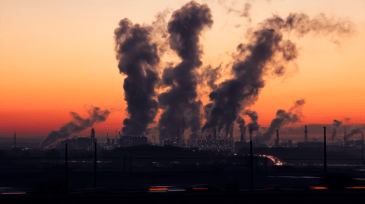
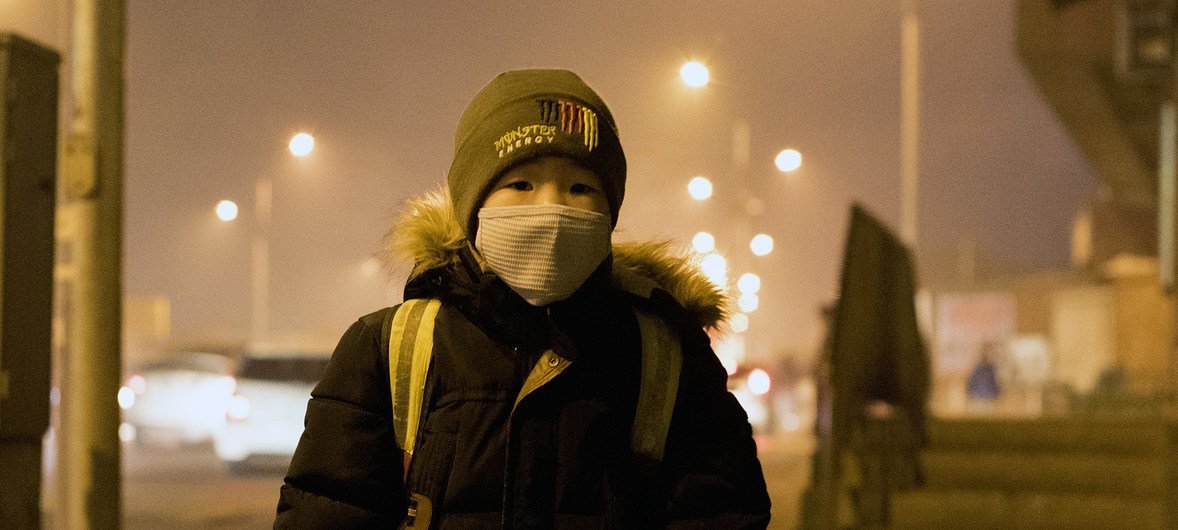
Shifting to renewable energy could save up to 150 million lives by the end of the century amid concerns that six billion people regularly inhale air “so polluted that it puts their life, health and well-being at risk”, a UN-appointed independent rights expert said on Monday [4 March 2019].
RIO DE JANEIRO, Mar 4 2019 (IPS)* – Crime, a key issue in far-right President Jair Bolsonaro’s election in Brazil, has a dimension that is gaining in visibility and could turn against his government: gender violence.
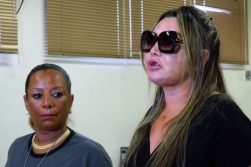
Landscaper Elaine Caparroz, Credit: EBC
Elaine Caparroz, a 55-year-old landscaper, was beaten for four hours in the early hours of Jan. 16 in her own home. As a result, she was unrecognisable, lost a tooth and needed 60 stitches.
This was the highest-profile case in recent days in this country of 209 million people, where so far this year, up to Feb. 22, there were 176 victims of femicide and 109 unsuccessful gender-based murders, according to the daily monitoring of cases by Jefferson Nascimento, a lawyer and researcher from São Paulo, based on press reports.
1 March 2019 (UN Women)* — A bus to get to work. A clinic for health care. A monthly pension for old age. Some people can take these for granted. But many others suffer from the lack of infrastructure, public services and social protection that affect their rights and well-being. Women and girls are often foremost among those who miss out.
4 March 2019 (FAO)* — High up in Guatemala’s Cuchumatanes mountains, lunch is served in the Torres household. Mom Catarina places a steaming plate of empanadas – pastry stuffed with tomatoes, onions and greens – on the dining table in front of her three daughters, whose eyes shine bright in anticipation.
Although the recipe comes from a new cookbook created specifically for the 2 000 or so families from the Ixil Triangle, in the region of Quiché, the recipes are based on ancestral knowledge and native crops.
Ten countries accounted for approximately three-quarters of the total increase in measles in 2018, including significant outbreaks in Brazil, Madagascar, the Philippines, Ukraine, and Yemen
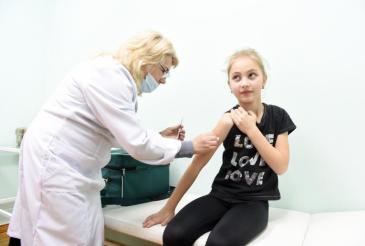
UNICEF/UN0284080/ Dyachyshyn | Maryana Dzuba, 9, receives her first dose of MMR vaccine on 21 February 2019 in the medical centre of the Lapaivka village school, Lviv region, Ukraine, as part of a three-week long catch-up vaccination campaign to increase MMR coverage among school aged children in the region. Photo: Yurko Dyachyshyn
NEW YORK, (UNICEF)* – UNICEF on 1 March 2019 warned that global cases of measles are surging to alarmingly high levels, led by ten countries accounting for more than 74 per cent of the total increase, and several others that had previously been declared measles free.




 HUMAN WRONGS WATCH