Of Blessing and Cursing » 391px-Donation_stele_with_curse_inscription
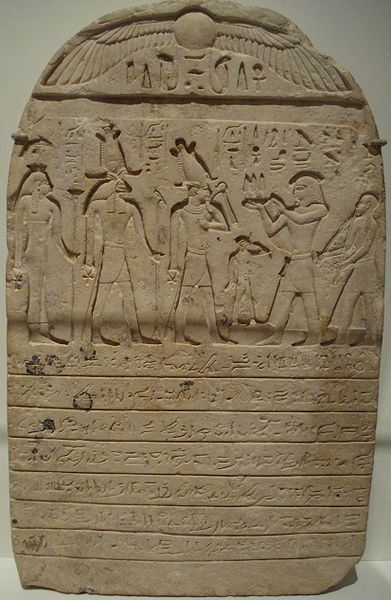
There is a broad popular belief in curses being associated with the violation of the tombs of mummified corpses, or of the mummies themselves. The idea became so widespread as to become a pop-culture mainstay, especially in horror films (though originally the curse was invisible, a series of mysterious deaths, rather than the walking-dead mummies of later fiction). The “Curse of the Pharaohs” is supposed to have haunted the archeologists who excavated the tomb of Pharaoh Tutankhamun, whereby an imprecation was supposedly pronounced from the grave by the ancient Egyptian priests, on anyone who violated its precincts. Similar dubious suspicions have surrounded the excavation and examination of the (natural, not embalmed) Alpine mummy, “Ötzi the Iceman”. While such curses are generally considered to have been popularized and sensationalized by British journalists of the 19th century, ancient Egyptians were in fact known to place curse inscriptions on markers protecting temple or tomb goods or property.
Biblical curses
According to the Catholic Encyclopedia article on Cursing, the Bible depicts God cursing the serpent, the earth and Cain (Genesis 3:14, 3:17, 4:11). Similarly Noah curses Canaan (Genesis 9:25), and Joshua curses the man who should build the city of Jericho (Joshua 6:26-27). In various books of the Old Testament there are long lists of curses against transgressors of the Law (Leviticus 26:14-25, Deuteronomy 27:15, etc.). So, too, in the New Testament, Christ curses the barren fig-tree (Mark 11:14), pronounces his denunciation of woe against the incredulous cities (Matthew 11:21), against the rich, the worldling, the scribes and the Pharisees, and foretells the awful malediction that is to come upon the damned (Matthew 25:41). The word curse is also applied to the victim of expiation for sin | Wikimedia Commons
Discover more from HUMAN WRONGS WATCH
Subscribe to get the latest posts sent to your email.
 Baher Kamal
 HUMAN WRONGS WATCH
Leave a comment