Human Wrongs Watch
Despite its comprehensive approach to tackling modern forms of slavery, the Government of Belgium must further sharpen its focus on proper victim detection and identification, a United Nations independent expert declared on 26 February 2015.
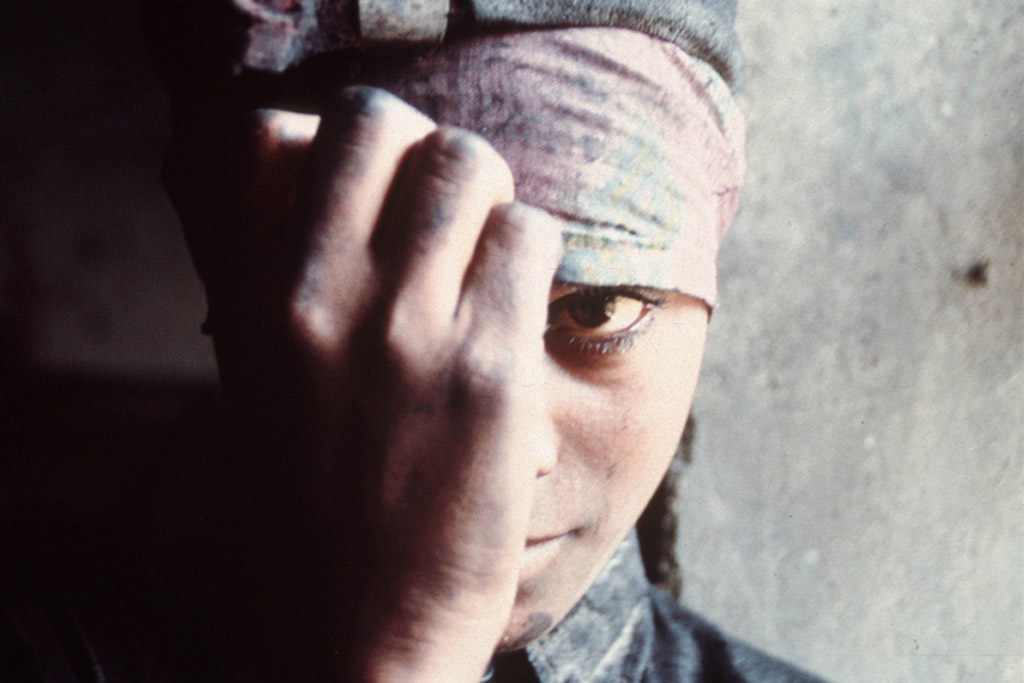
Forced labour often means unpaid wages, excessively long work hours without rest days, confiscation of ID documents, little freedom of movement, deception, intimidation and physical or sexual violence. ILO/A. Khemka
“Belgium’s multi-disciplinary approach to tackling modern forms of slavery, which brings together various stakeholders at policy and operational level is an example of good practice,” stated Urmila Bhoola, the Special Rapporteur on contemporary forms of slavery, including its causes and its consequences, in a press release.*
“However, potential victims, including children and other vulnerable groups, are not always detected, identified and referred to the appropriate structures, which leaves them susceptible to abuse and exploitation.”
Belgium already boasts a wide-ranging apparatus devoted to combatting slavery-like conditions including specialized units embedded within social and labour inspectorates and the police which investigate claims of abuse.
Following an eight day official monitoring visit to the country, however, Bhoola acknowledged that Belgian authorities required further training to ensure that victims of slavery are adequately informed of their rights and “understand the central role in support and assistance of specialized centres to which they can be referred.” Such centres, she added, perform “a critical function in assisting victims, including in obtaining access to justice.”
Moreover, she drew special attention to the need for providing continuous and sufficient financial and human resources to allow all those involved in the fight against modern forms of slavery in Belgium to carry out their work as well as boosting awareness-raising and information campaigns aimed at the general public, in order for them to also be alert to cases of contemporary forms of slavery.
“This preventive aspect, including in continuing to address specific vulnerabilities of those most discriminated and marginalized, needs strengthening.”
$150 Billion in Illegal Profits in the Private Economy Each Year through Modern Forms of Slavery
There are currently an estimated 21 million forced labour victims worldwide. A recent report by the International Labour Organization (ILO) estimates that $150 billion in illegal profits are made in the private economy each year through modern forms of slavery.
According to ILO, more than half of the victims of forced labour are women and girls, primarily in domestic work and commercial sexual exploitation, while men and boys were primarily in forced economic exploitation in agriculture, construction, and mining.
In Belgium, contemporary forms of slavery can be manifested in forced begging, forced labour and domestic servitude.
Following her visit to the country – which included meetings in Brussels, Antwerp, Ghent, and Namur – Bhoola explained that she was “encouraged” by the steps taken by authorities to address domestic servitude in diplomatic households while relevant provisions in Belgium’s Criminal Code already impose harsh penalties when exploitation is secured through violence or coercion. (*Source: UN).
Facts and figures**
**Source ILO |
Read also:
“There is no inevitability, no excuse: forced labour can be stopped”
Social Justice? Half of the World Lives Below the US$ 2 a Day Poverty Line
The Steady Decline of Social Europe
‘Squeezed’: Risky Jobs and Domestic Violence – The ‘Hidden’ Social Costs of High Food Prices
The Measure of “Man’s Inhumanity to Man” — Profits and Poverty: The Economics of Forced Labour
An International Day for the Remembrance of the Slave Trade and its Abolition
Modern Slavery: 21 Million Human Beings Coerced into Jobs They Can Not Leave
European Union: 880,000 Victims of Forced Labour, Sexual Exploitation
Slavery: Use of Children as Domestic Workers Pervasive Throughout Haiti
The Nation of 700 Million Jobless and Slaves
130 Million People Seeking Job? Try Again in Two, Three, Four Years …
Child Labour Returns to Europe
Who Dares to Challenge a 32 Billion Dollars Business – Human Trafficking?
Over 100 Million Children, In Hazardous Work
Millions of Urban Children at High Risk of Violence, Exploitation and Trafficking
Mr. Ban Has a Dream: That Big Business Will Fight Against Modern Slavery!
Financial Trafficking in Millions of Citizens Is Not ‘Illicit’!
New Brand of Slavery Surfaces in America
2.4 Million Victims of Human Trafficking At Any Given Time Across the Globe
2015 Human Wrongs Watch
Discover more from HUMAN WRONGS WATCH
Subscribe to get the latest posts sent to your email.
 Baher Kamal
 HUMAN WRONGS WATCH

Leave a comment