A new report on Occupational Safety and Health (OSH), published ahead of the World Day for Safety and Health at Work on 28 April, reviews the ILO’s 100 years of achievements, and reveals some of the emerging challenges and opportunities in creating better working environments.
GENEVA, April 2019 (ILO)* – Changes in working practices, demographics, technology and the environment are creating new occupational safety and health (OSH) concerns, according to a new report from the International Labour Organization (ILO).
Growing challenges include psychosocial risks, work-related stress and non-communicable diseases, notably circulatory and respiratory diseases, and cancers.
April 2019 (ILO)* — Can indigenous and tribal peoples help save the planet?
That is a question we looked into when we teamed up with the University of Oxford to research what traditional knowledge means in everyday practice and how it can contribute to addressing climate change.
We learnt that traditional knowledge and occupations cut across multiple sectors – from agriculture and forestry to fishing and hunting-gathering – and blend culture with economic and environmental sustainability.
For instance, Brazilian forests managed by indigenous peoples had 27 times less emissions due to their near-zero deforestation, as compared to forests outside their protected area.
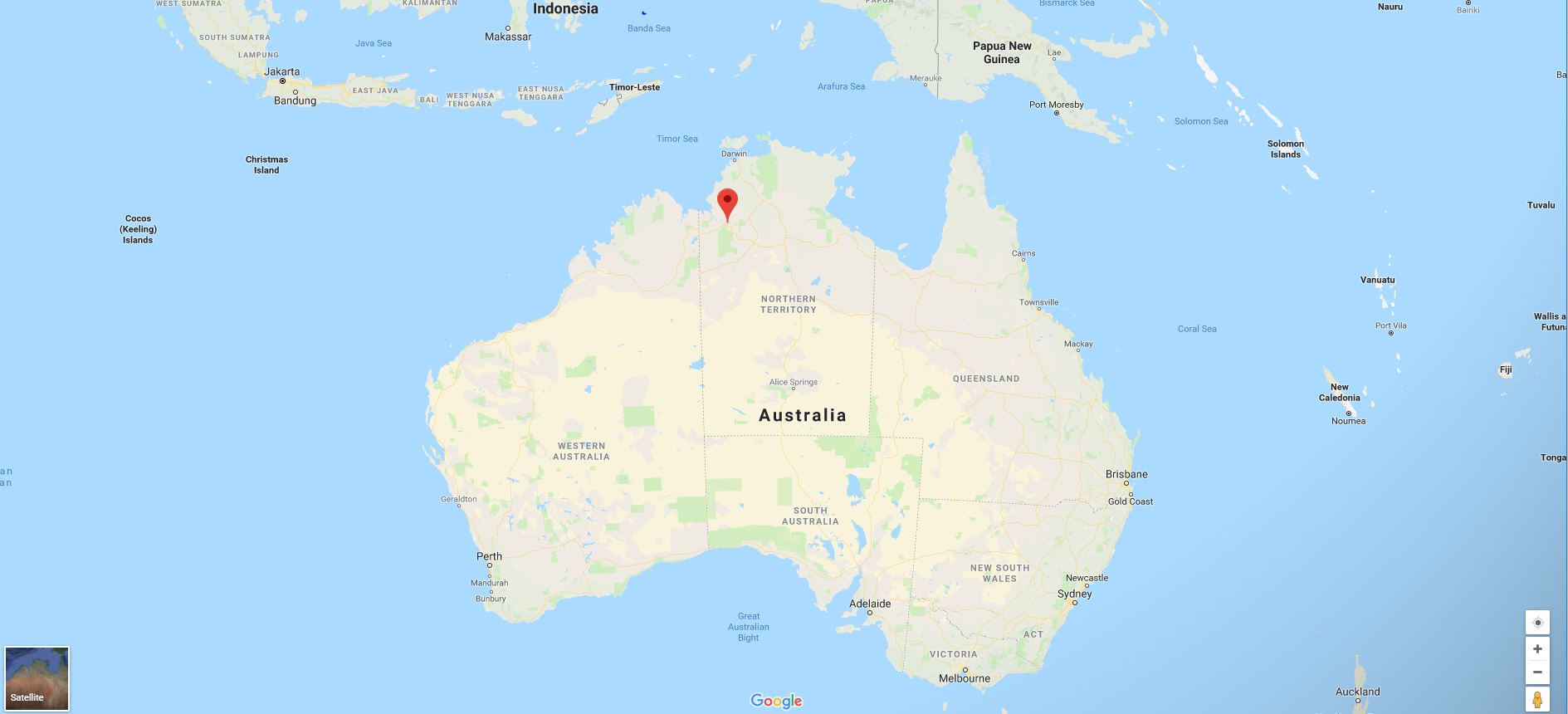
30 April 2019 (International Work Group for indigenous Affairs – IGWIA)* — In a landmark decision on 13 March 2019, the Australian High Court ordered the Government of the Northern Territory to pay $2.53 million AUD (1.78 million USD) in compensation to the Ngaliwurru and Nungali peoples for the loss of Native Title in the town of Timber Creek.
The verdict is significant, as it is the first time that the issue of compensation for lost rights to Native Title has been considered in Australia by the High Court.
It has set a precedent that will influence and spur future claims for compensation by groups of Aboriginal and Torres Strait Islander peoples across Australia.
Jakarta, 30 April 2019 (IOM)*– A new mobile app developed by IOM Indonesia provides frontline law enforcement with a powerful tool to quickly detect victims of human trafficking in the fisheries sector.
In March 2015, the Government of Indonesia rescued hundreds of crew from conditions of modern slavery aboard foreign fishing vessels. IOM helped to identify the victims of trafficking, provided shelter, health and catering services and ultimately organized the safe return home of all of the men including these Myanmar nationals. Photo: Ed Wray/IOM Indonesia
KUALA LUMPUR and SYDNEY, Apr 30 2019 (IPS)* – The World Bank has successfully promoted its ‘Maximizing Finance for Development’ (MFD) strategy by embracing the United Nations’ Sustainable Development Goals, internationally endorsed in September 2015.
Jomo Kwame Sundaram
It has also secured support from the G20 of twenty biggest economies, and effectively pre-empted alternative approaches at the third UN Financing for Development summit in Addis Ababa in mid-2015.
As the main ‘show in town’, developing countries will need to address the MFD’s implications by responding pro-actively and collectively to address the new challenges it poses.
Managing new macro-financial challenges
As the MFD agenda privileges foreign investors and portfolio inflows, multilateral development banks (MDBs) should be obliged to clearly show how developing countries will benefit.
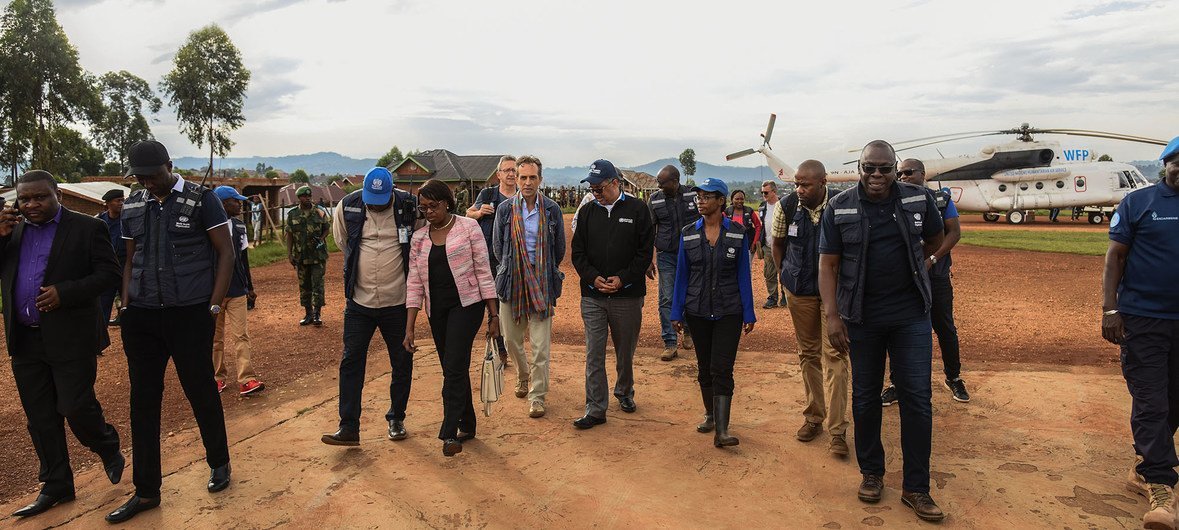
Strengthening both security and the Ebola response effort is essential to contain the growing outbreak in the Democratic Republic of the Congo (DRC), UN health agency’s officials said on Tuesday [30 April 2019], following a visit to the epicentre of what is already the worst outbreak in the country’s history.
WHO/Junior Kannah | WHO delegation in Butembo, Democratic Republic of the Congo, where the Ebola situation is worsening (April 2019)
Following their visit to Butembo, to express gratitude and show support to staff, in the wake of the recent attack at a treatment centre that killed Doctor Richard Mouzoko and left two others injured, World Health Organization (WHO) chief, Tedros Ghebreyesus and the agency’s Regional Director for Africa, Dr. Matshidiso Moeti, reiterated their commitment to “defeat Ebola”.



 HUMAN WRONGS WATCH